
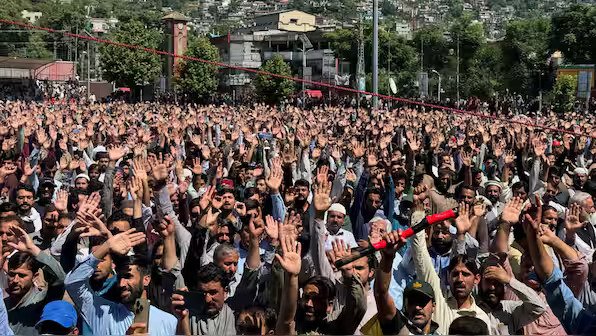
A political leader from Pakistan-occupied Kashmir has publicly appealed to India for assistance, citing what he describes as systematic brutalities and military repression in the territory, according to reports.
The appeal underscores the longstanding humanitarian and political tensions in PoK, where Pakistan’s administrative control has been marked by periodic reports of restrictions on civil liberties, arbitrary detentions, and military operations targeting separatist groups.
India’s strategic position on PoK remains anchored in its 1948 United Nations Security Council resolution, which frames Kashmir as a disputed territory pending a UN-supervised plebiscite. New Delhi has consistently held that the entire state of Jammu and Kashmir, including territories under Pakistani control, is an integral part of India.
From a defence and strategic standpoint, PoK occupies critical terrain along India’s northern frontier. The region sits astride major communication lines and serves as a buffer zone between Indian-administered Ladakh and Pakistan’s Gilgit-Baltistan territories. Indian military planners regard the security architecture in this region as central to India’s broader Kashmir strategy and border management doctrine.

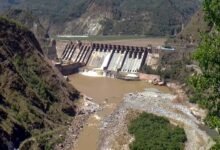
Pakistan’s military presence in PoK has evolved significantly since the 1990s, with heavy deployment of paramilitary and regular forces concentrated in urban centers and strategic valleys. India’s own defensive posture in the region involves substantial Army and paramilitary presence, coordinated through the Northern Command and Ladakh-based formations.
The humanitarian dimension of PoK governance has periodically attracted international attention, particularly during cycles of heightened militancy and counter-insurgency operations. Civil society organizations have documented allegations of enforced disappearances, restrictions on movement, and curbs on political expression in areas controlled by Islamabad.
Such appeals from PoK-based political figures are rare in public discourse, as most dissenting voices operate under significant constraints. This instance reflects the underlying political fault lines within Pakistan’s controlled territories and the persistent disconnect between Islamabad’s administrative objectives and ground-level aspirations for greater autonomy and protection of civil rights.
India’s historical approach to such appeals has favored diplomatic channels and multilateral forums, while maintaining its legal claim to the entire Jammu and Kashmir region. The Ministry of External Affairs typically frames India’s position around restoration of constitutional protections and democratic governance in all parts of the erstwhile state.

Facebook Comments