
Army Conducts Mock Drill in J&K to Test Combat Readiness in High-Altitude Terrain
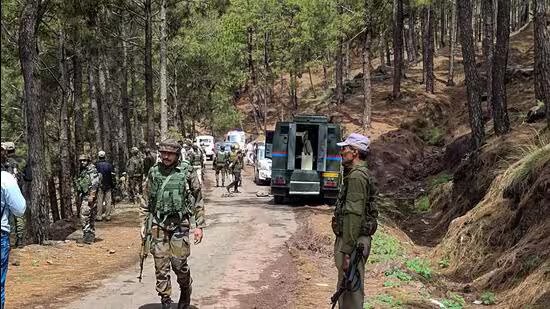
The Indian Army has conducted a comprehensive mock drill in Jammu and Kashmir to validate operational procedures and enhance combat readiness across mountainous terrain. The exercise tested coordination between infantry units, support formations, and command structures in scenarios simulating active theatre conditions.
Mock drills form a cornerstone of the Indian Army’s training doctrine in J&K, where units operate in some of the world’s most challenging geographical conditions. The region, at altitudes ranging from 6,000 to 13,000 feet, demands specialised training protocols that differ markedly from plains-based exercises. Such drills allow commanders to identify gaps in logistics, communication, and tactical execution before actual operational deployment.
The timing of this exercise reflects the Army’s continuous focus on the Northern Theatre, where India maintains one of the world’s largest standing military formations. The XV Corps, headquartered in Srinagar, and the XIV Corps, based in Leh, together field multiple divisions equipped with mountain warfare specialisation. These formations operate across terrain where factors like altitude sickness, extreme weather, and supply line vulnerability create operational complexities absent in other sectors.
Operational preparedness drills in J&K typically involve live casualty evacuation procedures, field medical response, supply chain validation under simulated combat stress, and command post functioning in degraded communication scenarios. Units practise coordination with the Indian Air Force, which provides close air support and logistics lift in the region. Artillery units calibrate targeting solutions accounting for thin air density at altitude, which significantly affects ballistic trajectories.
The J&K sector has seen sustained Army engagement since 2019, when counterinsurgency operations intensified following the revocation of Article 370. Mock drills serve dual purposes: they maintain combat readiness against external threats along the Line of Control and the Line of Actual Control, while also validating internal security response procedures. The Army regularly rotates units through the region, and standardised drills ensure consistency in operational protocols across different formations.
Recent years have witnessed the Army modernising its mountain warfare equipment, including induction of lighter body armour, improved high-altitude assault rifles, and enhanced individual tactical communication systems. Mock drills provide platforms to test integration of new platforms with existing doctrine. The emphasis on realistic scenario-based training has increased following operational lessons from counter-terrorism campaigns and border security operations in the past decade.


Facebook Comments