
India Rejects Pakistan’s Claims Over Karachi Attack, Urges ‘Look Inwards’
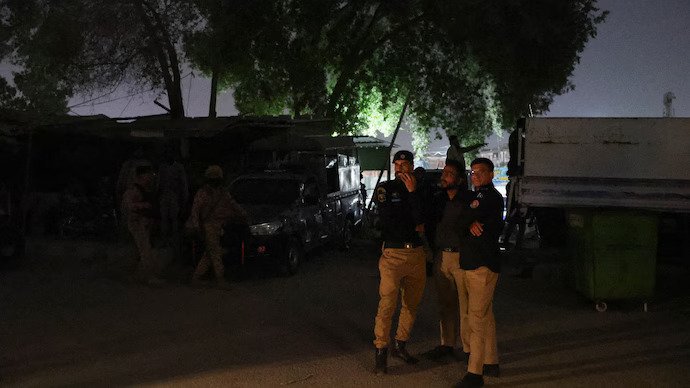
India has dismissed Pakistan’s accusations regarding an attack in Karachi as “baseless,” according to official statements. New Delhi has called on Islamabad to examine internal security challenges rather than level unfounded allegations against India.
The rejection comes as Pakistan has sought to attribute responsibility for the incident to external actors. Indian officials have characterised such claims as part of a pattern of deflection from domestic militant and separatist threats that have long plagued Pakistan’s largest city.
Karachi has remained a focal point of Pakistan’s internal security crisis for decades. The port city has witnessed recurring attacks by various militant organisations, sectarian groups, and separatist movements including the Baloch Liberation Army and Tehrik-i-Taliban Pakistan (TTP). Criminal syndicates and organised crime networks also operate extensively in the city, complicating the security environment.
India’s position reflects the broader diplomatic stance New Delhi has maintained regarding Pakistan-based militant infrastructure. Indian security agencies have consistently documented cross-border terrorist networks operating from Pakistani soil, particularly in Punjab and Kashmir theatres. However, New Delhi distinguishes between documented counterterrorism concerns and unsubstantiated blame-shifting over domestic incidents.

Pakistan’s tendency to attribute internal security failures to external actors has been a recurring feature of bilateral discourse. This approach has typically preceded calls for international intervention or ceasefire negotiations, shifting focus from Islamabad’s counter-insurgency and law enforcement failures.
The Karachi incident underscores the city’s vulnerability to multiple security threats. Pakistan’s Rangers paramilitary force and provincial law enforcement agencies have periodically launched operations against criminal and militant networks, with mixed results. Structural challenges including corruption, insufficient intelligence capacity, and competing militant faction interests have persistently undermined security gains.
India’s statement demanding Pakistan “look inwards” aligns with New Delhi’s established position that Islamabad must address root causes of militancy within its borders rather than externalize security problems. This includes tackling extremist financing, madrassa radicalisation networks, and ungoverned spaces that harbour terror groups.
The exchange reflects the current state of India-Pakistan relations, marked by diplomatic coldness following the 2019 Pulwama attack and Balakot strikes. Bilateral engagement remains limited, with security matters typically addressed through third-party channels or international forums rather than direct dialogue.




Facebook Comments