
IAF to Arm Tejas Mk1A and Mk2 with Loitering Munitions for Deep Strike Capability
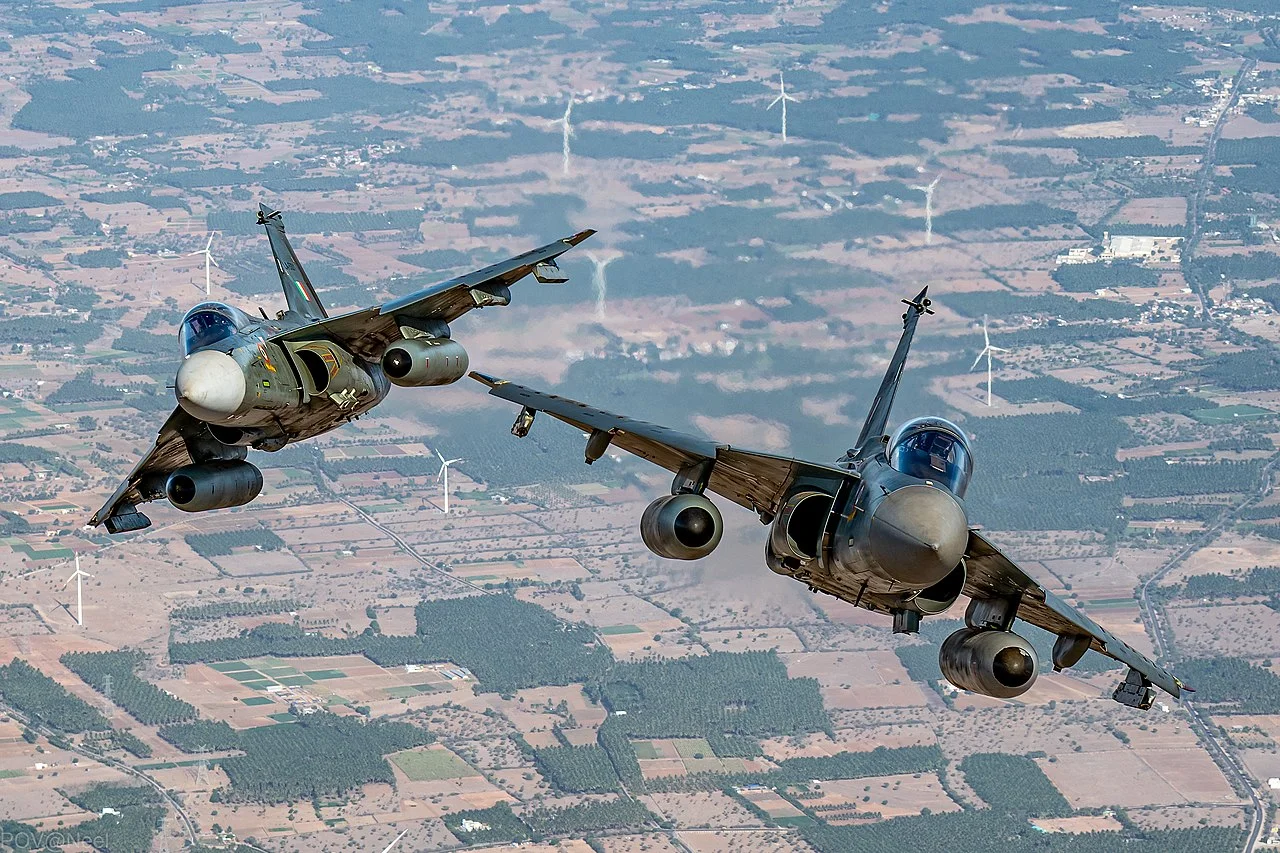
The Indian Air Force plans to integrate air-launched loitering munitions onto the Tejas Mk1A and forthcoming Mk2 variants, significantly expanding the light combat aircraft’s deep strike range and precision engagement capability, according to defence sources.
This integration marks a strategic shift in the operational employment of India’s indigenous fighter programme. Loitering munitions, also known as kamikaze drones or suicide drones, offer the ability to loiter over a target area for extended periods before engaging, providing pilots with real-time targeting flexibility and reduced collateral damage compared to conventional air-to-ground weapons.
The Tejas programme, developed by Hindustan Aeronautics Limited (HAL) under DRDO stewardship since the 1990s, has progressively evolved from the initial Technology Demonstrator phase through the Mk1 variant to the operational Mk1A configuration. The Mk1A incorporates enhanced avionics, expanded internal fuel capacity, and improved multi-role sensor integration compared to its predecessor. The Mk2 represents the next major capability leap, with a larger airframe, more powerful engine, and advanced phased array radar.
Integration of stand-off loitering munitions aligns with IAF’s operational doctrine of network-centric warfare and collaborative combat operations. The concept envisions Tejas aircraft operating in coordinated formations where lead aircraft can designate targets for autonomous or semi-autonomous munitions deployed by wingmen, multiplying strike density without increasing platform density.

India’s defence ecosystem currently develops indigenous loitering munition systems through DRDO laboratories and private defence contractors. Such munitions offer significant cost-effectiveness compared to air-to-air missiles and reduce pilot exposure to dense air defence environments, a critical operational consideration for operations over contested airspace.
The Mk1A variant has already entered operational service with IAF squadrons, while the Mk2 design validation is underway with first prototype flight expected within the next two years. Production orders for Mk1A airframes continue to be placed by HAL as IAF progresses its fleet modernisation roadmap, with current requirements ranging between 200 to 250 aircraft across both variants to replace ageing MiG-21 and MiG-27 fleets.
This munitions integration programme underscores the Make in India imperative underpinning India’s combat aircraft development strategy. Rather than procuring foreign loitering munitions, DRDO and HAL are developing indigenous solutions, reducing dependence on foreign suppliers and strengthening the domestic aerospace supply chain.




Facebook Comments