
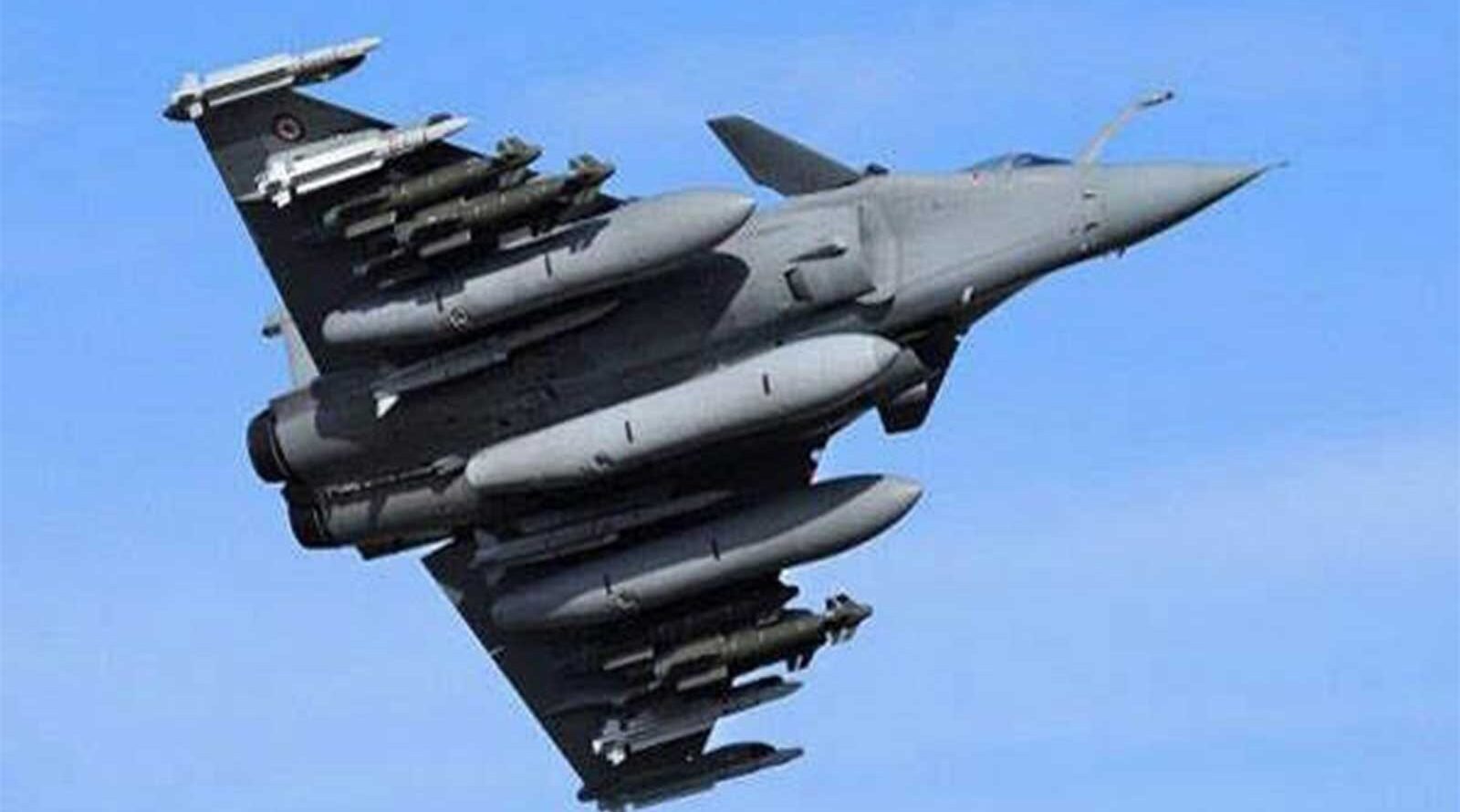
India’s Defence Ministry is likely to clear major acquisition and development proposals for four critical weapon systems and space programmes on July 3, according to reports. The approvals are expected to encompass the HAMMER air-to-ground missile, the Verba short-range air defence system, MP-ATGMs (Multi-Platform Anti-Tank Guided Missiles), and pseudo satellite technology.
The HAMMER is a precision-guided air-launched stand-off missile currently under development by DRDO for the Indian Air Force. Designed to engage targets from extended range, the missile reduces pilot exposure to air defence threats and enables strike operations from safer standoff distances. Integration with IAF combat aircraft platforms including the Tejas light combat aircraft and upgraded legacy fighters represents a key capability gap the system addresses.
The Verba system is Russia’s next-generation shoulder-fired air defence weapon, a successor to the Igla platform. India has been evaluating Verba for induction into the Indian Army to strengthen Short-Range Air Defence (SRAD) coverage against low-flying aircraft, helicopters, and unmanned aerial vehicles. The system offers improved engagement envelope and all-weather operational capability.
MP-ATGMs mark a significant stride in India’s indigenous anti-tank missile programme. These multi-platform variants are designed for deployment across infantry, mounted, and airborne platforms, providing the Army with flexible anti-armour firepower. The multi-platform approach reduces logistics complexity and extends the missile’s utility across diverse battlefield scenarios.


Pseudo satellite technology refers to High Altitude Platform Systems (HAPS) capable of operating in the stratosphere to provide persistent surveillance, communication relay, and reconnaissance over extended areas. These platforms function as aerial nodes without the orbital constraints of traditional satellites, filling a critical gap in India’s persistent surveillance architecture particularly for border monitoring and disaster response operations.
The Defence Ministry’s clearances on July 3 are expected to move these programmes from approval-in-principle stages toward contract finalization and production timelines. For indigenous systems like HAMMER and MP-ATGM, clearance signals transition toward user trials and eventual army induction. For foreign acquisitions like Verba, the approval unlocks procurement processes and vendor engagement.
These approvals align with India’s Make in India and Atmanirbhar Bharat defence objectives by advancing indigenous missile development while simultaneously strengthening operational readiness through proven foreign systems. The simultaneous clearance of air defence, anti-tank, and persistent surveillance capabilities reflects the Defence Ministry’s focus on multi-domain operational requirements across the force structure.




Facebook Comments