
India’s Attendance at Khamenei’s Funeral Reflects Strategic Diplomatic Respect
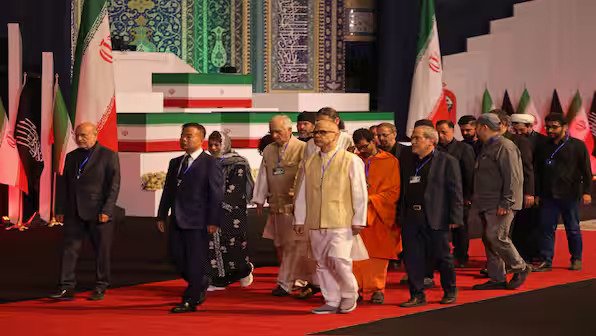
Iran has publicly thanked India for attending the state funeral of Supreme Leader Ayatollah Ali Khamenei, describing the gesture as a powerful expression of mutual respect between the two nations.
The attendance by an Indian delegation at one of the Middle East’s most significant state ceremonies underscores New Delhi’s commitment to maintaining robust diplomatic ties across the Islamic world, even as regional tensions remain elevated.
India’s presence at Khamenei’s funeral reflects a long-standing bilateral relationship rooted in multiple strategic dimensions. The two nations share a substantial defence cooperation framework, including military training exchanges, naval coordination in the Arabian Sea, and coordinated energy security interests. Iran remains a key supplier of crude oil to Indian refineries, and the relationship spans cultural and historical ties dating back centuries.
From a defence and strategic perspective, India’s diplomatic outreach to Iran operates within carefully calibrated parameters. While India maintains strong defence partnerships with the United States and several Gulf Cooperation Council nations, it has consistently balanced these relationships by preserving substantive engagement with Tehran. This multi-alignment approach reflects India’s broader strategic autonomy doctrine, whereby New Delhi avoids exclusive bloc commitments and instead pursues independent foreign policy interests.
The funeral attendance also signals India’s broader Middle East strategy during a period of significant regional realignment. The region has witnessed shifting geopolitical alignments, including the Saudi-Iran reconciliation brokered by China in March 2023. India’s visible participation in major Iranian state events demonstrates that New Delhi intends to remain a significant player in regional affairs rather than cede diplomatic space to other powers.
Iran’s public acknowledgement of India’s gesture carries weight in Tehran’s diplomatic narrative. The Iranian government has long emphasized the importance of maintaining relationships with non-Western powers that can provide counterweight to Western pressure and sanctions regimes. India, as a major non-aligned power with significant economic and military capabilities, occupies a distinct position in this framework.
The timing of this diplomatic courtesy also occurs against the backdrop of India’s growing influence in Gulf affairs through infrastructure partnerships, energy investments, and defence dialogues with regional states. India’s ability to maintain productive relationships across the geopolitically fragmented Middle East-without being perceived as subordinate to any single power bloc-remains central to its Indo-Pacific and broader Asian strategy.

Facebook Comments