
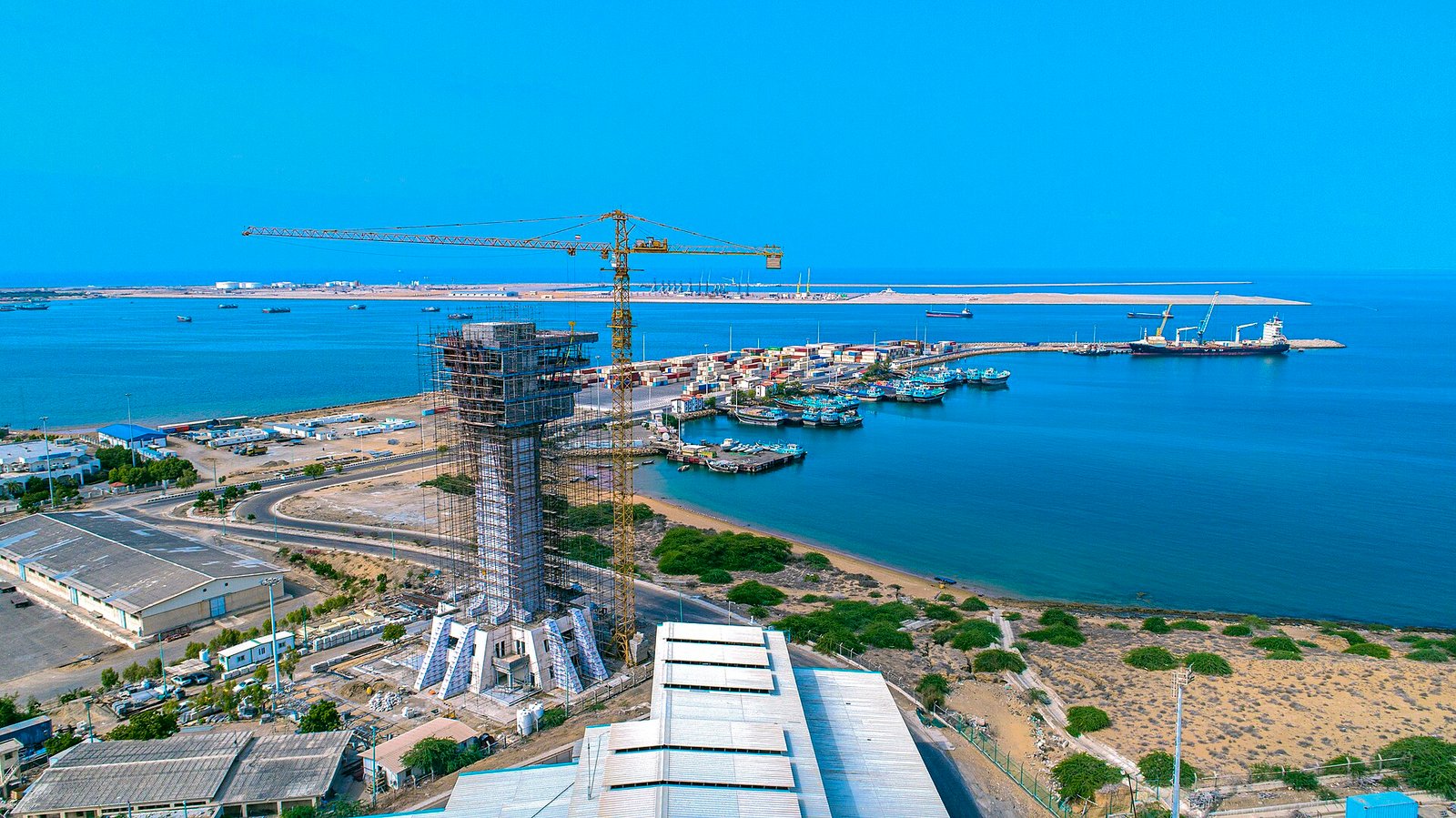
India is moving to revive the Chabahar–Zahedan rail corridor, a key infrastructure project designed to establish a direct trade gateway to Central Asia and bypass traditional Pakistan-based routes. The initiative comes as international sanctions on Iran ease, making the port and rail connectivity economically viable once again.
The Chabahar Port, located in southeastern Iran on the Gulf of Oman, has been central to India’s broader “Neighborhood First” and “Act East” policies since the Indian Government first invested in its development in 2016. The port itself offers India a strategic bypass to the Suez Canal route and direct access to energy-rich Central Asian markets without transiting Pakistani territory, a geopolitical advantage that New Delhi has pursued consistently.
The Zahedan rail link, which would connect Chabahar Port to Iran’s eastern rail network and extend toward Turkmenistan and Uzbekistan, represents the missing infrastructure piece. When fully operational, the corridor would enable Indian cargo and energy imports to flow northward into Central Asia while reducing India’s dependence on the Arabian Sea chokepoint and the Strait of Hormuz for regional trade.
Chabahar has long featured in India’s strategic calculus alongside the Gwadar Port corridor debate. While Pakistan and China developed Gwadar as a Belt and Road Initiative project, India positioned Chabahar as a counterweight, emphasizing port sovereignty and India’s independent leverage in the region. The port became operational for limited cargo handling in 2018, though freight volumes remained modest due to sanction-related constraints and incomplete rail connectivity.


The relaxation of Iranian sanctions in recent months has created a window for infrastructure projects that were previously frozen. India’s Ministry of External Affairs and shipping ministry have signaled interest in scaling up port operations and finalizing the rail corridor agreement with Iran. The rail link would also serve Indian strategic interests in Afghanistan and Central Asia, regions where India seeks to counter Chinese and Pakistani influence through economic engagement.
The project aligns with India’s broader infrastructure-led connectivity strategy in South and Central Asia. Unlike Belt and Road initiatives, which often embed geopolitical leverage in debt and asset seizures, the Chabahar model emphasizes port-based autonomy and direct bilateral economic benefit. The rail corridor would complement existing Indian investments in Afghanistan’s transit trade and multimodal logistics networks.
Full operationalization of the Chabahar-Zahedan link would reduce India’s freight transit times to Central Asia by an estimated 40 percent compared to current maritime routes. The corridor would also unlock mineral and energy trade flows, particularly in natural gas and rare earth exports from Central Asian republics, strengthening India’s energy security posture during a period of global supply chain diversification.




Facebook Comments