
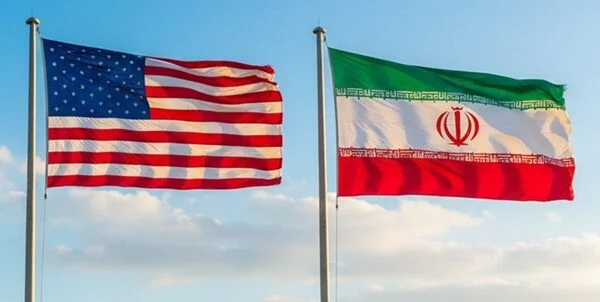
The United States and Iran have signed a peace agreement, with Iranian officials stating that the focus now shifts to testing the practical implementation of the accord, according to reports.
The development marks a significant diplomatic shift in West Asian geopolitics at a time when regional tensions have remained elevated across the Middle East. Iran’s statement that “time to test the implementation” underscores that while the agreement has been reached, the critical phase of verification and compliance mechanisms now begins.
For India, any stabilisation in US-Iran relations carries strategic implications. India maintains balanced ties with both nations: the US is a key defence and technology partner through frameworks like the Quad and bilateral military cooperation, while Iran remains strategically important for energy security, regional stability, and access to Central Asian markets via the Chabahar Port development project.
A sustained US-Iran de-escalation could reduce disruptions to global energy markets and maritime security in the Arabian Sea and Persian Gulf, areas critical to Indian naval operations and commercial shipping. The Indian Navy has long maintained a presence in these waters through anti-piracy missions and fleet transits, and regional stability directly affects India’s maritime interests.


The agreement also intersects with India’s broader West Asia strategy. New Delhi has consistently advocated for diplomatic resolution of regional conflicts while maintaining strategic autonomy. A peaceful US-Iran framework allows India to deepen engagement with Iran on infrastructure projects like Chabahar and with the US on defence modernisation and technology transfer, without navigating the constraints of active conflict.
However, implementation will be the true test. Both sides will need to demonstrate compliance with verification protocols, sanctions relief mechanisms, and confidence-building measures. Past agreements in this region have faced compliance disputes, making the coming months critical for assessing whether this accord achieves durable peace.
India’s defence and foreign policy establishment will be monitoring how the accord affects regional proxy conflicts, weapons proliferation networks, and US military posture in the Middle East. These factors influence Indian military planning, counterterrorism operations, and strategic partnerships in the region.




Facebook Comments