
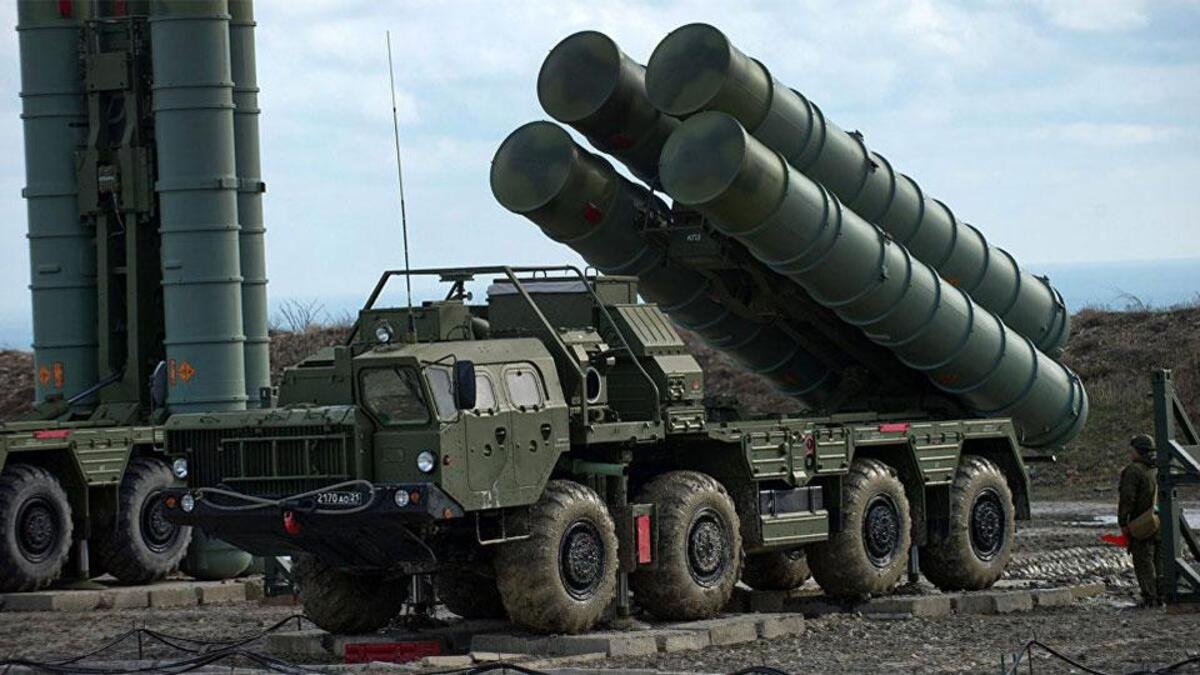
India is exploring the procurement of five more S-400 Triumf air defence systems, according to reports citing Russian export priorities and India’s expanding air defence architecture requirements.
The potential order would supplement the two regiments of S-400 batteries already inducted into Indian Air Force service. Each regiment comprises two batteries, making the current operational strength four complete systems deployed across the country.
The S-400 Triumf is a long-range, mobile surface-to-air missile system developed by Russia’s Almaz-Antey design bureau. It can simultaneously engage up to 36 targets at ranges extending to 380 kilometres against aircraft and cruise missiles, and 60 kilometres against ballistic threats. The system operates across four altitude bands, from near-ground level to 35 kilometres, making it one of the most versatile air defence platforms in global service.
India signed its first S-400 contract with Russia in October 2018 for two regiments valued at approximately USD 5.43 billion. The initial batteries became operational with the Air Force’s air defence command in 2022, significantly enhancing the country’s ability to defend its airspace against sustained air attacks and missile salvos.
The consideration of five additional batteries reflects ongoing concerns about air defence gaps across India’s vast geographical expanse and multiple operational theatres. The northern air defence sector, particularly relevant given the 3,488-kilometre land border with China, requires layered protection combining short, medium, and long-range systems.
India operates a multi-tier air defence architecture comprising indigenously developed systems like the Akash missile family alongside foreign acquisitions. The Akash platform, developed by DRDO, offers medium-range coverage out to 30 kilometres, while short-range Tunguska and Igla systems provide terminal layer defence. The S-400, positioned at the apex of this pyramid, covers strategic depth and sustained threat scenarios.
Russia’s reported emphasis on export revenue reflects pressures on its domestic industrial capacity caused by ongoing commitments in Ukraine. This has opened windows for key strategic partners like India to expand procurement of validated platforms rather than await next-generation Russian systems still under development.
Additional S-400 batteries would also support India’s stated objective of achieving self-sufficiency in air defence manufacturing through the proposed integration of Russian systems with Indian command-and-control infrastructure and eventual technology transfer arrangements under the defence industrial cooperation framework.


Facebook Comments