
Major Abhilasha Barak: Indian Army’s First Woman Combat Aviator Wins UN Award
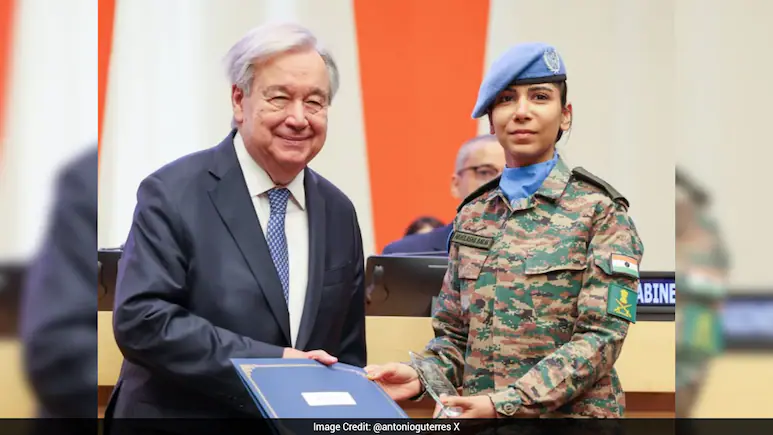
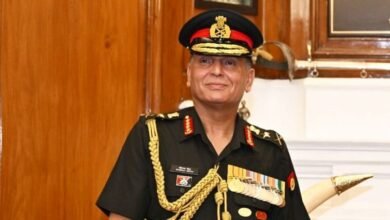
Major Abhilasha Barak has become the first woman combat aviator in the Indian Army, earning recognition with a United Nations award, according to reports. The milestone underscores the armed forces’ ongoing expansion of combat roles for women officers across operational and technical domains.
Barak’s achievement arrives at a pivotal moment in Indian Army aviation. Women officers have progressively moved into helicopter pilot roles over the past decade, but combat aviation positions have remained predominantly male-staffed until now. Her UN recognition reflects international acknowledgment of her operational contributions.
The Indian Army’s aviation corps operates a diverse fleet spanning light observation helicopters, attack platforms, and medium-lift transport aircraft. Combat aviators in this domain typically fly platforms including the Advanced Light Helicopter (ALH) Dhruv and the newer Apache attack helicopter, both of which perform fire-support and reconnaissance missions across varied terrain and threat environments.
Women’s induction into combat roles within the armed forces has accelerated since 2022, when the Ministry of Defence announced permanent commissions for women officers across combat branches. Prior to this policy shift, women were largely restricted to support, medical, and technical roles despite their demonstrated competence in high-stress operational environments during UN peacekeeping missions and internal security operations.
The Army has systematically integrated women into its training pipelines at institutions including the National Defence Academy and Officers Training Academy. Women officer recruitment now occurs across branches including infantry, artillery, and signals, breaking decades of institutional practice that confined women to non-combatant specialisations.
Barak’s advancement in aviation specifically holds strategic weight. Helicopter operations in India’s mountainous northeastern and eastern frontiers, as well as counter-terrorism operations in Jammu and Kashmir, demand rotary-wing pilots capable of operating in high-altitude, low-visibility conditions and under enemy fire. The presence of women combat aviators expands the talent pool available for these demanding missions.
Her UN award likely recognises contributions to peacekeeping deployments or humanitarian aviation operations. India deploys helicopter assets and trained pilots regularly to UN-mandated missions across Africa and the Middle East, where Indian military personnel work alongside multinational forces in non-traditional warfare environments.
The recognition is consistent with global military trends. Western air forces including the U.S. Air Force, Royal Air Force, and Israeli Air Force have fielded women combat pilots for over two decades, though India’s transition has historically proceeded more cautiously due to institutional resistance and statutory constraints that only recently shifted.
Barak’s certification as a combat aviator sets a precedent that will likely accelerate recruitment and retention of women pilots across the Indian armed forces. Future inductions will benefit from her operational experience and the institutional pathways she has helped establish within Army aviation command structures.
Facebook Comments