
India Must Achieve End-to-End Indigenous Defence Capability: DRDO Chief BK Das
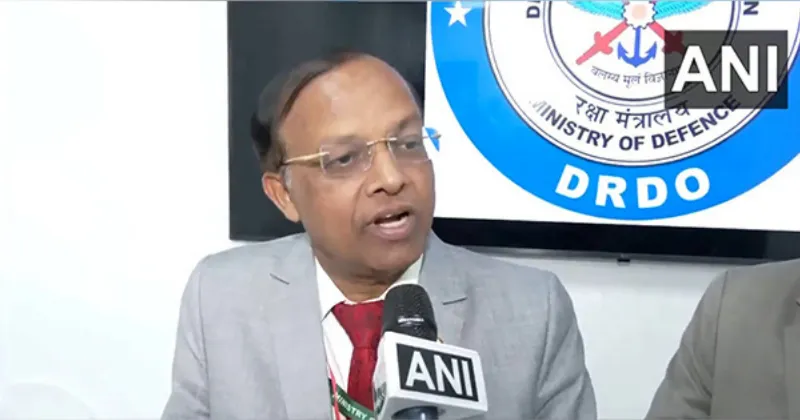
DRDO’s Chief BK Das has underscored the critical importance of developing complete indigenous defence manufacturing capabilities across all segments of India’s military arsenal, signalling the organisation’s commitment to reducing reliance on foreign suppliers and strengthening the nation’s self-sufficiency in defence technology.
According to DRDO, achieving end-to-end indigenous capability means establishing domestic competence not just in final assembly and integration, but across the entire supply chain, from raw materials and components to advanced systems engineering and production quality assurance.
This push reflects India’s broader Make in India strategy within defence, a policy framework that has gained momentum since 2014. The objective extends beyond cost savings to encompassing strategic autonomy, secure supply chains, and the ability to rapidly scale production during national emergencies without dependency on international sources or approvals.
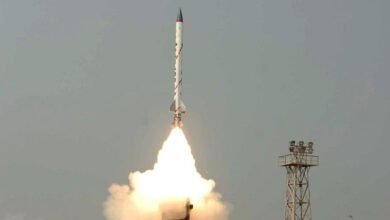
DRDO’s current portfolio spans multiple critical domains: air defence systems like the indigenous air defence gun (IADG), artillery platforms, missile systems including the Brahmos cruise missile and Akash air defence system, combat vehicles, naval platforms, and electronic warfare suites. While several of these systems incorporate indigenous components and subsystems, many still rely on foreign suppliers for critical materials, electronic components, or subsystems such as certain sensor packages or propulsion elements.

The challenge of achieving true end-to-end capability involves developing India’s industrial ecosystem, including vendors and private sector suppliers capable of producing high-precision components to military-grade specifications. DRDO has partnered with Over a Dozen Indian private sector firms and OFB (Ordnance Factory Board) establishments to progressively increase indigenous content in operational systems.
Recent defence procurements have increasingly emphasized the domestic production route. The HAL Tejas light combat aircraft, for example, achieved approximately 60 per cent indigenous content in its initial variants, with plans to increase this further. Similarly, the INS Vikrant, India’s first domestically designed and built aircraft carrier, demonstrates DRDO and shipyard collaboration on complex platform development.
However, achieving complete indigenization in advanced defence systems remains difficult, particularly in areas requiring cutting-edge metallurgy, composite materials, and specialized electronic components where India still lags behind established defence industrial nations. DRDO continues investing in research facilities and partnerships to address these gaps in critical technology areas.

Facebook Comments