
G7 Backs Licensed Missile, Air Defence Production in Ukraine Amid Zelenskyy Push
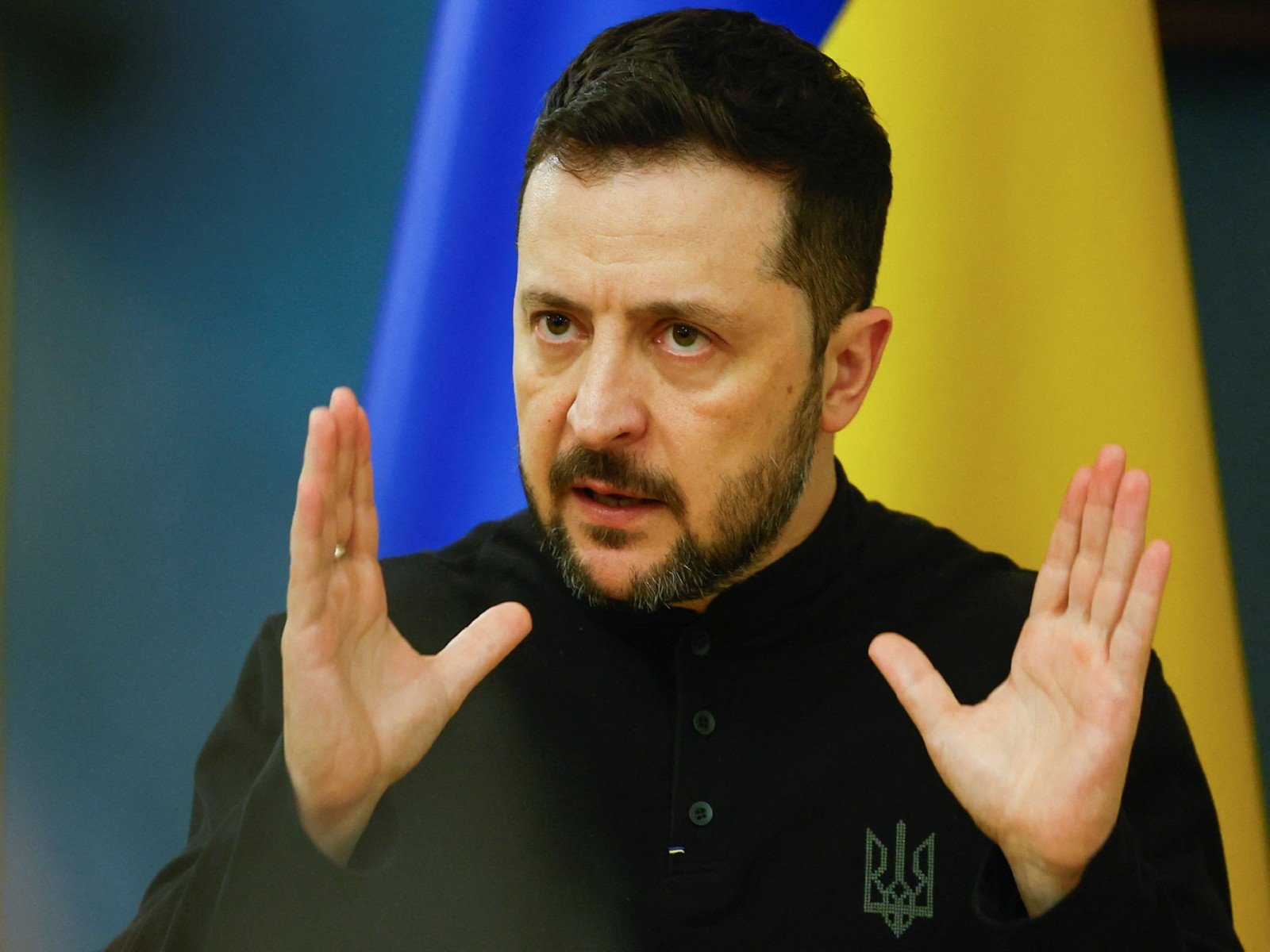
The Group of Seven nations has endorsed Ukraine’s plans to establish licensed domestic production of missiles and air defence systems, according to reports citing President Volodymyr Zelenskyy’s statements on ramping up offensive operations against Russian forces.
Zelenskyy signalled that Ukraine has begun returning the war to Russian territory, with G7 backing for indigenous weapons manufacturing emerging as a critical enabler of sustained military pressure. The endorsement reflects Western confidence in Ukraine’s defence industrial capacity and resolve to reduce dependency on foreign arms supplies.
Licensed production of advanced air defence and missile systems represents a significant shift in Western support strategy. Rather than supplying finished weapons systems alone, partner nations are now facilitating technology transfer and domestic manufacturing capabilities, allowing Ukraine to sustain operations independently over extended timelines.
This approach mirrors broader Western defence procurement trends. Nations including India have long pursued licensed and indigenous production of critical weapon platforms to achieve self-reliance while reducing foreign exchange outlay. India’s own air defence ecosystem, anchored by systems like the indigenous Medium Range Surface-to-Air Missile (MRSAM) developed by DRDO, demonstrates the strategic value of domestic production capacity coupled with selective international partnerships.


The G7’s backing for Ukrainian missile production carries implications for global arms control discussions and reflects confidence that Kyiv can manage advanced manufacturing standards independently. Domestically produced systems also reduce supply chain vulnerabilities that have periodically constrained Ukraine’s operational tempo.
Ukraine’s defence industrial base, historically tied to Soviet-era production networks, has been progressively modernised through partnerships with NATO members. Licensed production agreements typically include technology transfer, quality assurance oversight, and initial foreign technical presence, ensuring adherence to performance standards while building local expertise.
The G7 endorsement underscores a consensus that supporting Ukrainian self-sufficiency in critical munitions is preferable to indefinite direct supply commitments. For India and other defence-focused democracies, the development model-blending licensed production with domestic DRDO research and private sector manufacturing-offers a tested template for achieving credible deterrence through indigenous capability.




Facebook Comments