
B-52H Stratofortress crash: What the fatal mishap means for US strategic airpower
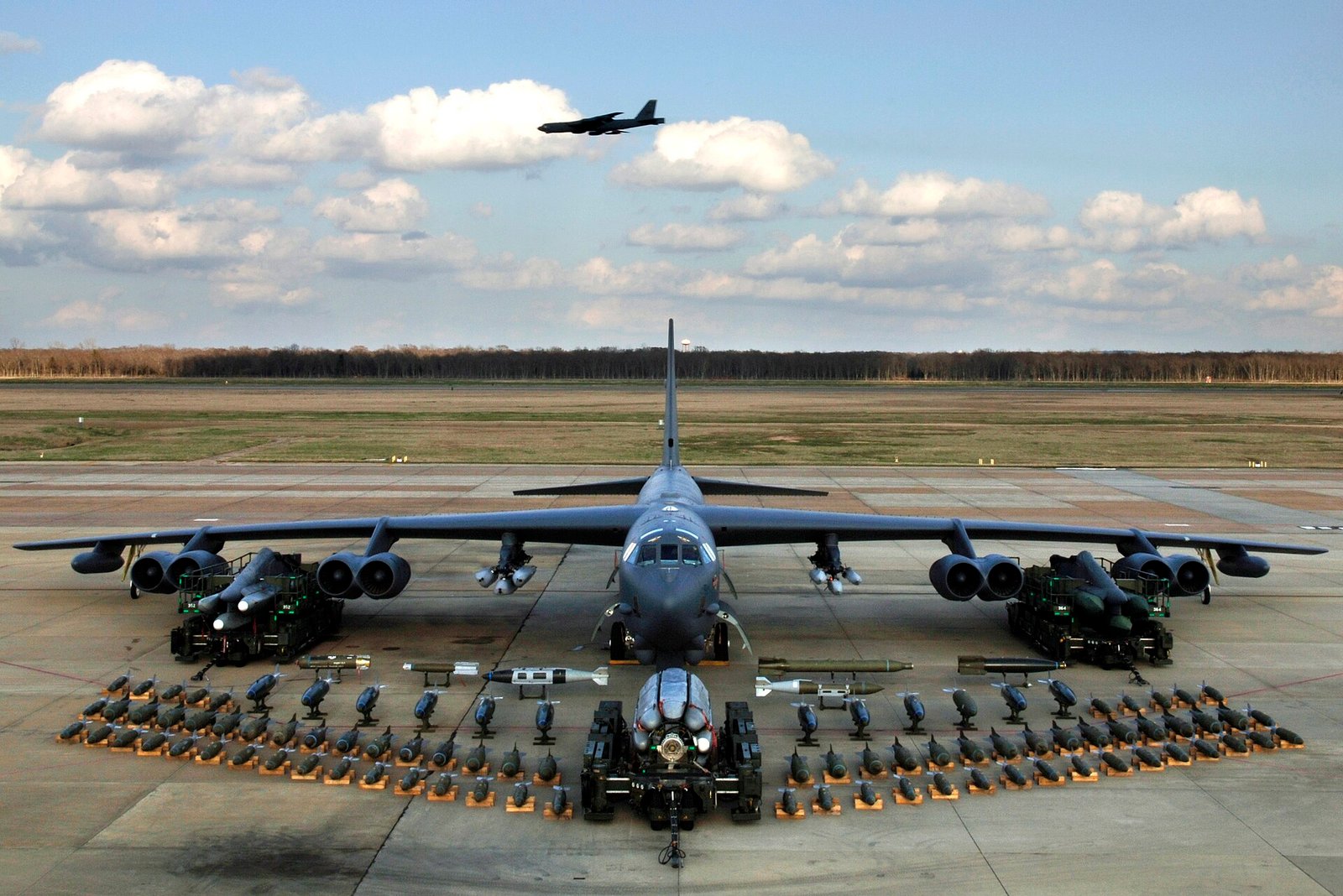
A United States Air Force B-52H Stratofortress crashed in California, marking a significant loss for America’s aging strategic bomber fleet, according to reports on the incident.
The B-52H is the backbone of US strategic airpower and represents the oldest combat aircraft still in active service with any air force globally. First introduced in 1955, the H-variant has been continuously upgraded and remains central to US nuclear deterrence strategy and conventional power projection missions.
The aircraft involved in the crash had reportedly flown missions over Iran, underscoring the B-52H’s role in America’s forward military posture in the Middle East. The Stratofortress fleet regularly conducts deterrence patrols across contested regions, including the Persian Gulf and surrounding airspace.
The B-52H can carry up to 70,000 pounds of ordnance and has an operational range exceeding 8,800 nautical miles without refueling. Its long service life, which the US Air Force estimates will extend to 2050, makes it one of the most economical strategic platforms despite its age. The aircraft serves multiple roles: strategic nuclear deterrence, conventional bombing, maritime reconnaissance, and electronic warfare.

For India and regional defence observers, the incident highlights the operational demands placed on legacy platforms and the challenges of sustaining aging fleets through modernisation. India’s own ageing transport aircraft and fighter inventory face similar lifecycle pressures, a factor driving New Delhi’s focus on indigenous manufacturing and platform renewal through programmes such as the Advanced Medium Combat Aircraft (AMCA) and the HAL Tejas upgrade roadmap.
The US Air Force operates approximately 76 B-52H aircraft across multiple bases. The loss of even a single airframe affects sortie availability for strategic operations and underscores the importance of predictive maintenance and pilot training in managing legacy systems at scale.
The crash also reinforces why the United States is developing the B-21 Raider, a next-generation stealth bomber intended to eventually replace the B-52 fleet. The B-21’s first operational deliveries are expected in the mid-2020s, though the B-52H will remain in service for decades due to the extended transition timeline.
From a strategic standpoint, any loss of US long-range strike capability, even temporarily, affects the broader calculus of great power competition in regions where India operates. India’s defence partnerships, particularly with the United States, depend partly on American ability to project sustained airpower in the Indo-Pacific and beyond.



Facebook Comments