
Netanyahu Invokes India’s Support After Vance Comments on Israel Alliance
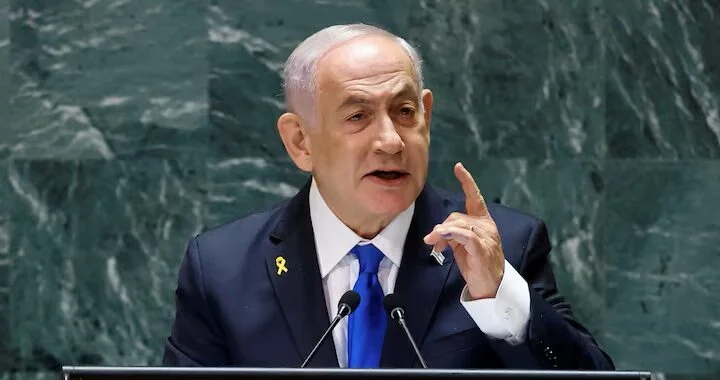
Israeli Prime Minister Benjamin Netanyahu responded to US Vice President-elect JD Vance’s comments about American support for Israel by citing India’s backing, according to reports. Vance had suggested the US was the last country supporting Israel, to which Netanyahu replied by referencing India’s 1.4 billion population as evidence of broader international support.
The exchange underscores the strategic weight India holds in Israeli calculations. India has emerged as a critical diplomatic partner for Israel, particularly since Prime Minister Narendra Modi took office in 2014 and deepened bilateral ties across defence, trade, and technology sectors.
India-Israel defence cooperation has expanded substantially over the past decade. The two nations conduct regular joint military exercises, share intelligence on counterterrorism operations, and collaborate on advanced weapons systems and cyber defence. India has procured Israeli air defence systems, unmanned aerial vehicles, and precision-guided munitions for its armed forces.
In 2023, bilateral defence trade reached over $2.5 billion, reflecting India’s growing reliance on Israeli defence technology and systems. Israeli firms participate actively in India’s defence production ecosystem, with multiple joint ventures established under the Make in India initiative.

Beyond military hardware, India and Israel have developed robust intelligence-sharing mechanisms focused on counterterrorism threats in South Asia and the Middle East. The Indian Navy conducts regular exercises with Israeli naval forces in the Arabian Sea, while air force cooperation includes joint training programmes and technology transfer agreements.
India’s strategic partnership with Israel is also rooted in shared concerns about regional security challenges. Both nations face militant threats and have invested heavily in counterinsurgency and homeland security capabilities. This alignment has translated into civilian technology partnerships in agriculture, water management, and renewable energy as well.
Netanyahu’s invocation of India in this context reflects the nation’s upgraded status in Israeli foreign policy calculations. Unlike traditional Western allies, India maintains independent strategic autonomy while deepening engagement with Israel. This relationship is not contingent on US mediation and has proven resilient across different Indian and Israeli administrations.
The reference also carries symbolic weight within India’s broader Middle East policy framework. New Delhi balances its ties with Israel against longstanding relationships with Arab nations and Iran, navigating complex regional geopolitics while prioritising bilateral defence interests with Tel Aviv.




Facebook Comments