
Indian Army to Train 5 Lakh Personnel in Drone Warfare Over 5 Years
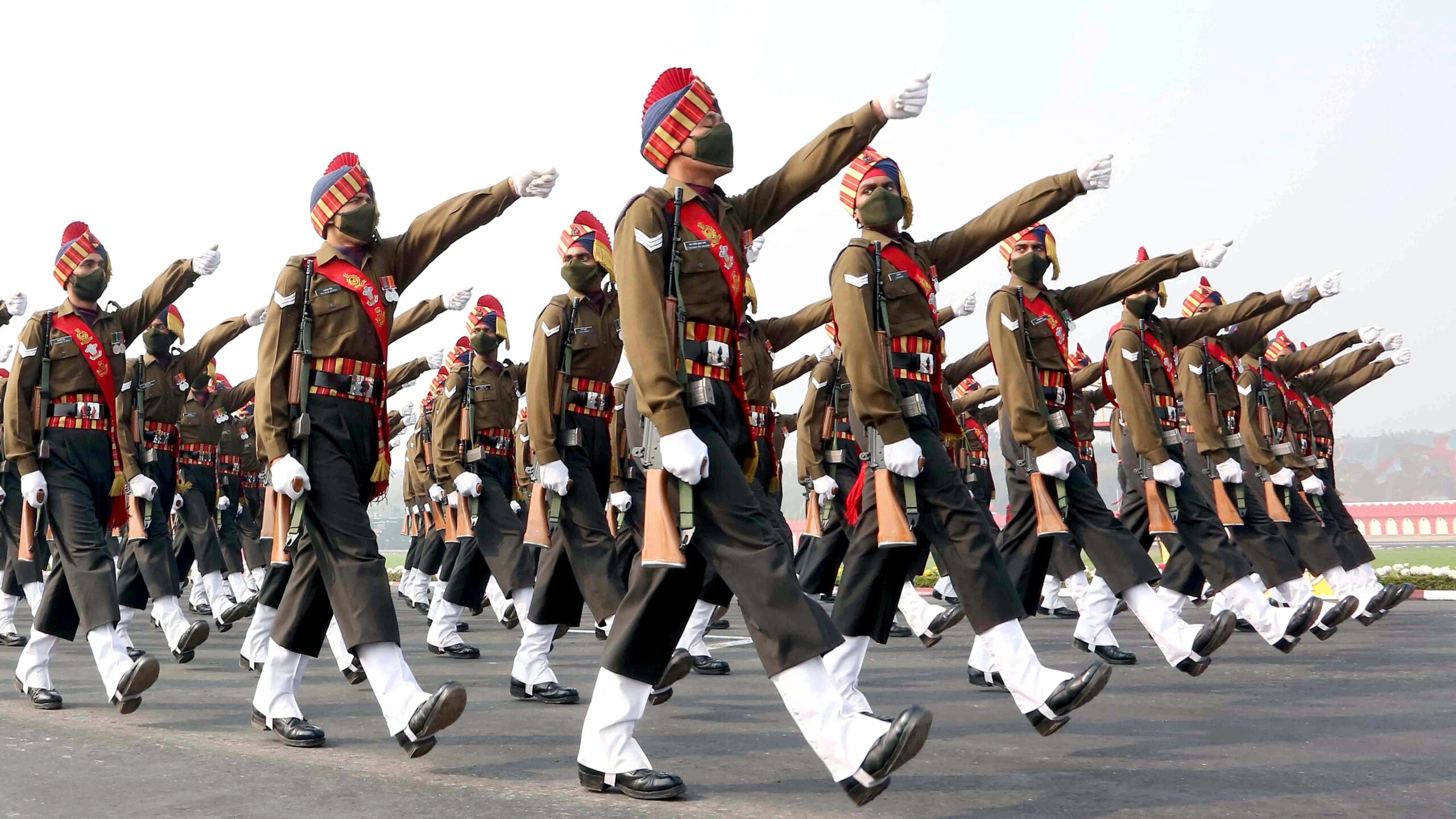
The Indian Army has committed to training 5 lakh personnel in drone warfare capabilities over the next five years, according to reports. The initiative underscores the service’s recognition that unmanned systems have become central to modern military operations and tactical doctrine.
This large-scale training programme reflects a strategic pivot across the Indian defence establishment. Drone technology has evolved from a niche capability into a force multiplier that spans reconnaissance, surveillance, and precision strike across all combat domains.
The Army’s focus on mass training in drone operations aligns with broader modernisation efforts within the service. Over the past decade, India has invested in developing indigenous unmanned aerial systems through DRDO, including platforms like the Rustom and Tapas series, while simultaneously integrating commercially available systems into operational units.
The five-year timeline for training 5 lakh personnel suggests a decentralised approach. Rather than concentrating drone expertise in specialist units, the Army appears intent on embedding unmanned systems literacy across infantry formations, artillery units, and support elements. This democratisation of drone knowledge mirrors trends seen in militaries operating in asymmetric environments, where small teams at battalion and company level now operate tactical unmanned systems.


India’s experience in counter-insurgency operations in Jammu and Kashmir and the Northeast has already demonstrated the tactical value of drones for surveillance and target acquisition. The 2019 Balakot airstrike and subsequent operations highlighted gaps in real-time intelligence gathering, driving institutional interest in organic drone capabilities at lower unit levels.
Training infrastructure for this scale of personnel will likely leverage both established military institutions and newly created drone warfare centres. The Army has previously established specialist training facilities for emerging technologies, suggesting dedicated drone warfare schools may be established or expanded under this five-year plan.
The programme will need to address multiple skill levels. While some personnel will require proficiency in operating commercial or military unmanned systems, others will need training in drone tactics, mission planning, payload integration, and counter-drone measures. The breadth of this training demand explains the ambitious target of half a million personnel.
This initiative also positions India to leverage increasing partnerships in defence technology with allied nations. Regular joint exercises with the US, France, Israel, and others have exposed Indian military planners to advanced drone doctrines and operational concepts that this training programme will help operationalise domestically.



Facebook Comments