
DRDO, IAF Successfully Flight-Test Indigenous RudraM-II Air-to-Surface Missile
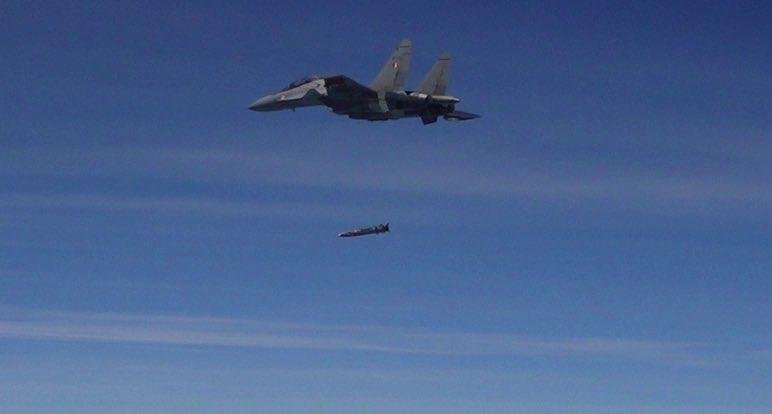
The Defence Research and Development Organisation (DRDO) and Indian Air Force (IAF) have successfully conducted a flight test of the RudraM-II air-to-surface missile, according to DRDO. The test validates the indigenous weapon system’s operational readiness and extends India’s capability to engage time-critical ground targets across extended ranges.
RudraM-II is an air-launched, long-range, supersonic cruise missile designed to strike high-value stationary and mobile targets on land and sea. The system carries a conventional warhead and employs terrain-referenced navigation coupled with inertial guidance to ensure precision strike capability even in GPS-denied environments.
The missile is an upgraded variant of the original RudraM platform, which entered IAF service in 2022. RudraM-II incorporates enhanced range, improved target acquisition algorithms, and refined aerodynamic design to address operational requirements identified during initial deployment. The weapon is cleared for integration across IAF’s fighter fleet, including Su-30MKI and Tejas light combat aircraft.
This development reinforces India’s strategic emphasis on indigenous weapons procurement under the Make in India initiative. The RudraM family reduces India’s dependence on imported air-launched missiles and strengthens the country’s asymmetric response capability in contested airspace scenarios. Similar systems like Israel’s Popeye and Russia’s Kh-101 provide tactical reference points, though RudraM-II’s modular design allows rapid adaptation to emerging threat environments.


Integration of indigenous missiles into operational squadrons shortens procurement timelines, enables faster product improvement cycles, and creates a domestic industrial base for advanced aerospace systems. DRDO’s Aeronautical Development Establishment (ADE) at Bangalore leads the programme in coordination with industry partners including Hindustan Aeronautics Limited (HAL).
The RudraM system is part of a broader suite of precision-strike capabilities that includes the BrahMos cruise missile and Agni-class ballistic missiles. Together, these platforms provide the IAF with graduated options for different operational scenarios, from contested airspace penetration to standoff engagement against defended targets.
Successful flight tests of indigenous missile systems also serve as confidence measures for allied nations considering defence partnerships with India. They demonstrate technical maturity and operational reliability essential for technology-sharing arrangements and joint platform development initiatives in the Indo-Pacific region.


Facebook Comments