
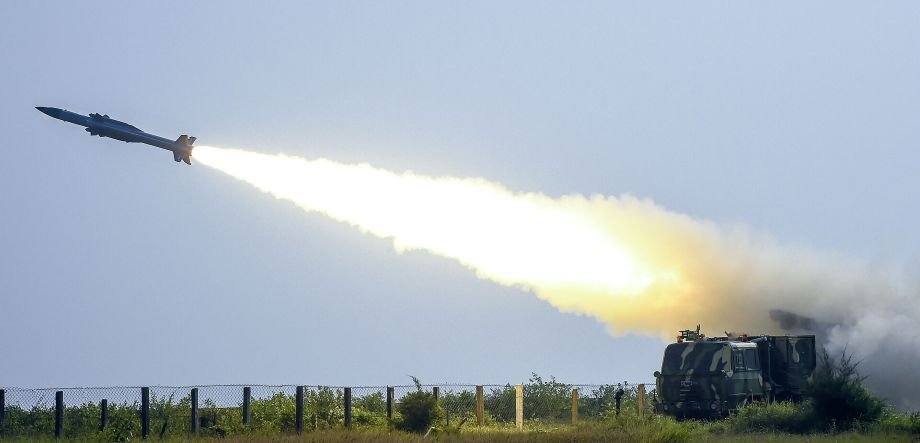
India is developing an integrated air defence system called Mission Sudarshan Chakra that will combine laser weapons, missiles, and networked sensors into a unified shield against aerial threats, according to defence officials.
The multi-layered approach reflects India’s strategic shift toward layered air defence, moving beyond single-platform reliance. The system is designed to detect, track, and engage targets across multiple altitude bands simultaneously.
Laser-based air defence represents a significant capability addition to India’s arsenal. The Indian Armed Forces currently operate the indigenous Akash air defence system and Russian-origin S-400 surface-to-air missiles, but lack directed-energy weapons. Sudarshan Chakra aims to fill this gap by integrating electro-optical countermeasures with kinetic interceptors.
The system’s architecture follows global trends in air defence modernisation. Nations including the United States, Israel, and Russia have invested heavily in laser-based point defence and counter-drone capabilities. India’s emphasis on integration represents a departure from earlier procurement strategies focused on acquiring standalone platforms.


DRDO’s involvement indicates this is being pursued as a domestically developed system, aligning with India’s broader Make in India defence initiative. Integration of multiple weapon types, sensor fusion, and command-and-control networks demands significant systems engineering expertise. The development timeline and operational deployment roadmap remain under assessment.
The mission name draws from Hindu mythology, continuing India’s practice of naming military systems after cultural and historical references. Previous examples include Akash, BrahMos, and Agni missile programmes.
Mission Sudarshan Chakra addresses a critical operational requirement identified during recent air defence reviews. The system is expected to strengthen India’s ability to counter evolving aerial threats, including cruise missiles, unmanned aerial vehicles, and other low-altitude targets through a coordinated multi-layered defence network.
Integrated air defence systems require real-time data sharing across radars, command centres, and weapon platforms. This demands robust communication networks and automated decision-making protocols to reduce response time. The system’s effectiveness depends on seamless interoperability between laser units, missile batteries, and air surveillance networks.
India’s defence industrial ecosystem includes DRDO laboratories specialising in laser and directed-energy weapons, missile guidance systems, and radar technology. Private sector participation through defence industry initiatives may accelerate component development and manufacturing scale-up.
The system’s deployment profile remains flexible, with potential variants for air force bases, naval installations, and army field formations. Strategic locations near international borders and coastal zones would be priority deployment areas for the integrated shield.




Facebook Comments