
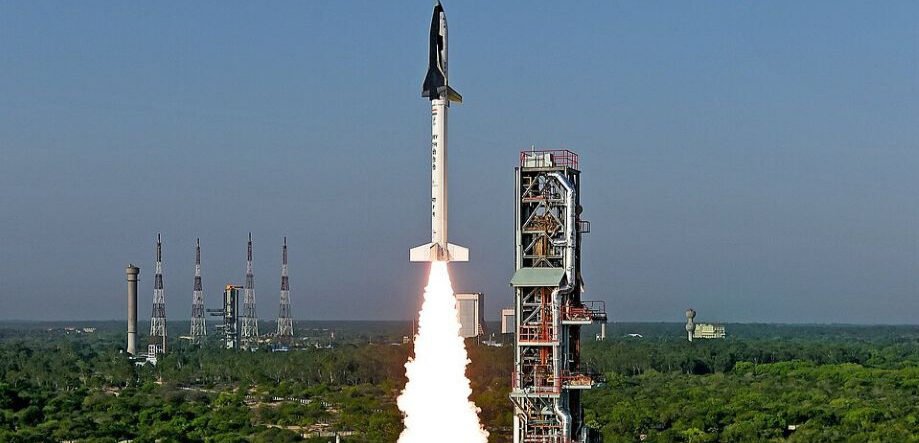
India is actively evaluating the creation of a Unified Rocket and Missile Force as part of its broader effort to modernize the Armed Forces and improve long-range conventional strike capabilities. The proposal has gained momentum following lessons drawn from recent conflicts, where precision-guided missiles, long-range rockets, and unmanned systems have played a decisive role in shaping battlefield outcomes.
The proposed force would bring together a wide range of conventional missile and rocket assets under a unified command structure. Defence planners believe such an organization could improve operational coordination, accelerate decision-making during crises, and streamline the deployment of India’s expanding inventory of indigenous precision-strike systems.
Currently, missile and rocket capabilities are distributed among the Indian Army, Indian Air Force, and Indian Navy. Systems such as the BrahMos, Pralay, Pinaka, and other conventional long-range weapons are operated independently by the respective services, while nuclear-capable strategic missiles remain under the Strategic Forces Command. The proposed restructuring would focus exclusively on conventional strike assets without affecting India’s nuclear command architecture.
The debate has also been influenced by regional security developments. Both China and Pakistan have established dedicated rocket or missile formations to enhance conventional deterrence and improve the integration of long-range precision weapons. Indian defence planners are examining whether a similar structure would provide greater operational flexibility in future conflicts, particularly in scenarios requiring rapid, coordinated strikes across multiple domains.


Supporters of the proposal argue that a unified command would enable more efficient management of missile inventories, logistics, intelligence integration, and targeting. It could also support India’s evolving doctrine of swift conventional responses below the nuclear threshold while complementing the country’s ongoing efforts toward integrated theatre commands.
However, several military experts believe creating an entirely new force may not be the most effective solution. Some recommend strengthening existing artillery formations, improving joint-service coordination, and expanding indigenous missile production rather than introducing another layer of military organization. According to this view, enhancing command-and-control networks and integrating drones, rockets, artillery, and missiles within existing structures could deliver similar operational benefits with fewer administrative challenges.
The discussion remains at the policy stage, and no final decision has been announced by the Government of India. Nevertheless, the ongoing debate reflects New Delhi’s increasing emphasis on precision conventional warfare, indigenous defence technologies, and integrated military modernization as regional security dynamics continue to evolve.




Facebook Comments