
Adani Defence to build South Asia’s largest private missile ecosystem in Shivpuri
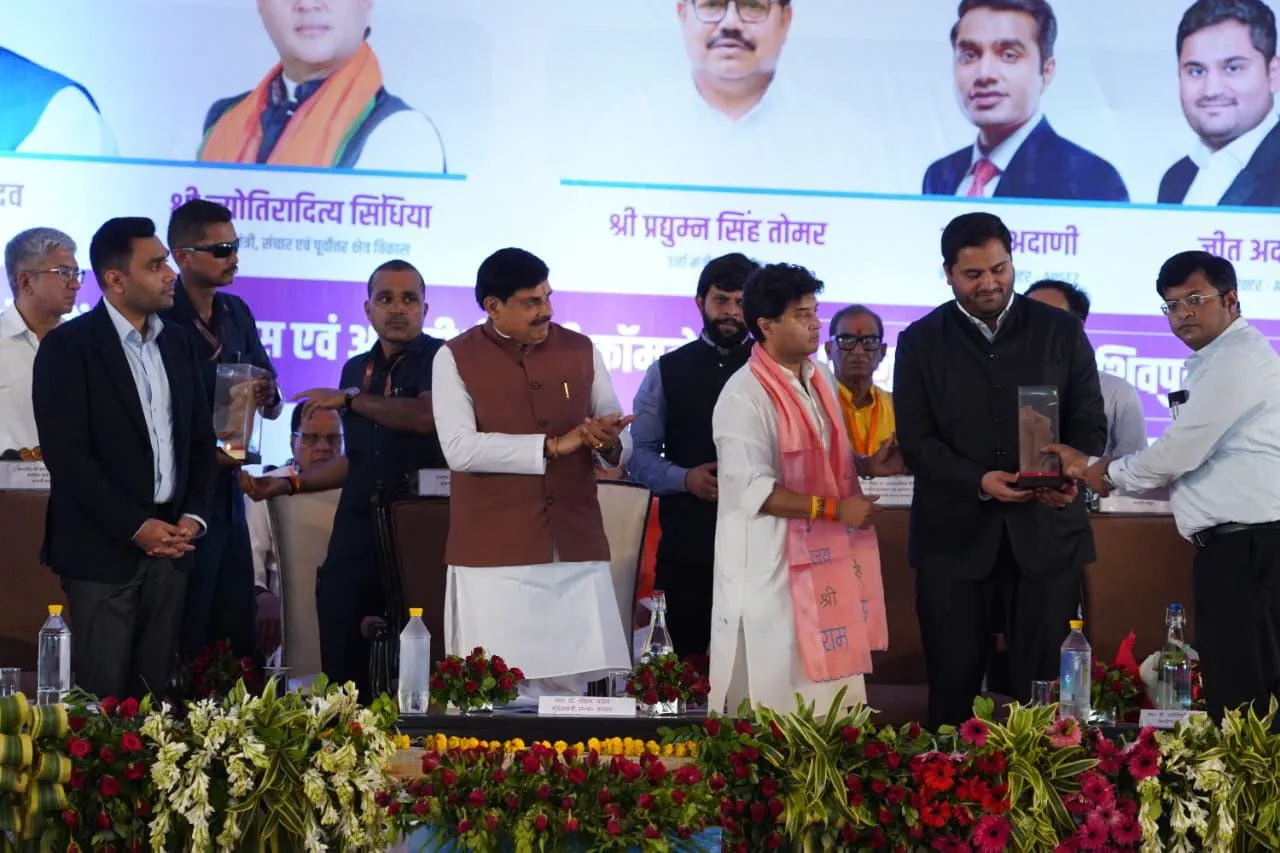
Adani Defence and Aerospace will invest Rs 2,500 crore to establish South Asia’s largest private-sector missile manufacturing ecosystem in Shivpuri, Madhya Pradesh, marking a significant expansion of India’s indigenous defence industrial base.
The facility will focus on design, development, and production of advanced missile systems and allied defence technologies. This investment underscores the accelerating shift toward private sector participation in India’s high-end defence manufacturing, a cornerstone of the government’s Make in India and Atmanirbhar Bharat initiatives.
Adani Defence has emerged as a key player in India’s defence technology sector over the past decade, moving beyond its core aerospace and logistics competencies into guided weapons, unmanned systems, and critical defence electronics. The Shivpuri facility will consolidate these capabilities into a single integrated manufacturing and testing complex.
The location in Madhya Pradesh aligns with the state’s development as a defence manufacturing hub. Shivpuri, historically significant to India’s aerospace sector, offers proximity to DRDO test ranges and established supply chain networks. The central Indian location also provides strategic distance from coastal vulnerabilities.


India’s missile ecosystem has traditionally been dominated by DRDO institutions like Brahmos Aerospace, BrahMos Dynamics, and the Defence Research and Development Organisation’s missile cluster at Hyderabad. The entry of large private conglomerates into missile design and manufacturing represents a structural shift in India’s defence industrial model, drawing parallel to international precedents where companies like Raytheon, Lockheed Martin, and MBDA conduct missile R&D and production at scale.
The private sector’s involvement addresses a longstanding bottleneck in India’s defence production capacity. DRDO institutions, while maintaining monopoly on advanced technology development, have faced production constraints when scaling up tested systems. Private facilities with modern manufacturing infrastructure and supply chain management can accelerate both prototyping and full-rate production of cleared missile designs.
India currently operates multiple missile families including the BrahMos cruise missile, Akash air defence system, Astra beyond-visual-range air-to-air missile, and Rudram anti-radiation missile. Several developmental programmes remain in advanced stages. Private manufacturing partnerships could substantially reduce lead times from weapon clearance to operational deployment.
The Shivpuri facility will likely incorporate advanced testing ranges, simulation centres, and production lines capable of handling both solid and liquid propellant systems. Integration with Adani’s existing aerospace facilities in Gujarat and Telangana will enable component sourcing and sub-assembly manufacturing across multiple nodes.
This expansion reflects India’s strategic calculus to diversify its missile industrial base while leveraging private capital and operational efficiency. As Indo-Pacific security dynamics remain contested, accelerating indigenous missile production capacity directly strengthens India’s autonomous deterrent posture and reduces dependence on foreign acquisition timelines.




Facebook Comments