
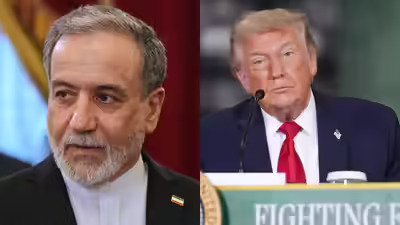
The United States and Iran have agreed to halt attacks following days of escalation and will hold talks this week focused on the Strait of Hormuz, according to a US official cited by Axios. The ceasefire agreement marks a significant de-escalation after a period of heightened military tensions between the two countries.
The talks will take place in Qatar, a regional power with longstanding diplomatic channels to both Washington and Tehran. Qatar has historically served as a mediator in Middle Eastern conflicts and maintains neutrality in US-Iran disputes, making it a logical venue for such negotiations.
The Strait of Hormuz remains one of the world’s most strategically critical waterways. Approximately 21 percent of global petroleum passes through this narrow passage between Iran and Oman, making its security vital to international energy markets and global trade. Any prolonged disruption to shipping in the strait has immediate ripple effects on crude oil prices and supply chains worldwide.
India has a significant stake in Strait of Hormuz stability. Roughly 70 percent of India’s crude oil imports transit through the waterway, making energy security from this region central to New Delhi’s strategic interests. Indian Navy vessels routinely conduct patrols and anti-piracy operations in the Arabian Sea and Gulf of Oman, with standing instructions to protect Indian merchant vessels navigating these waters.

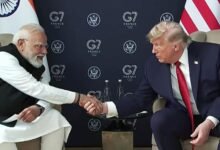
For India’s defence establishment, tensions in the Persian Gulf present both operational challenges and procurement opportunities. The Indian Navy operates advanced air defence systems and surveillance networks to monitor shipping lanes, while coast guard assets maintain constant vigilance. Any escalation in the region typically prompts New Delhi to increase naval deployments and coordinate with regional partners including the UAE, Saudi Arabia, and Oman.
The agreement to halt strikes and engage in dialogue reflects international pressure on both capitals to prevent an uncontrolled conflict that would disrupt global trade and destabilise the entire region. Sustained tensions would complicate India’s energy security strategy and strain defence resources already committed to monitoring the Indian Ocean and Arabian Sea.
The outcome of the Qatar talks will directly influence India’s naval posture in the region and energy procurement plans for the coming months. New Delhi typically monitors such developments closely through its embassy in Tehran and defence attaché offices in Gulf states.

Facebook Comments