
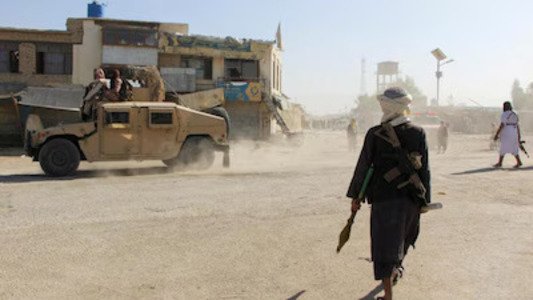
Pakistan has launched a cross-border military operation along its frontier with Afghanistan, with officials claiming 29 militants were killed in the action, according to reports.
The operation reflects the persistent security challenge Pakistan faces in its border regions, particularly the Khyber Pakhtunkhwa province and tribal areas adjoining Afghanistan. These frontier zones have long served as sanctuaries for militant groups operating across both nations.
Pakistan has conducted periodic cross-border operations targeting militant hideouts, especially following attacks on its military and civilian targets. The Afghan-Pakistan border, spanning roughly 2,600 kilometres, remains porous and difficult to control despite efforts by both nations to strengthen border security infrastructure.
Cross-border operations in this theatre typically involve Pakistan’s military forces, including the Pakistan Army and paramilitary Frontier Corps units trained in high-altitude and rugged terrain operations. These forces have accumulated extensive experience in counter-insurgency and counter-terrorism operations across the Hindu Kush and related mountain ranges.


The security situation along the Afghan frontier has evolved significantly since the Taliban’s return to power in Kabul in August 2021. Pakistani militant groups, including the Tehrik-i-Taliban Pakistan (TTP), have exploited the transition period, intensifying attacks within Pakistan. This has prompted the Pakistani military to adopt a more aggressive posture in border management.
India has monitored these developments closely given the regional security implications. New Delhi has historically raised concerns about cross-border militant networks operating from Afghan and Pakistani soil, particularly those targeting Indian interests in Kashmir and mainland Indian cities. The resurgence of militant activity in Pakistan’s tribal areas underscores the interconnected nature of terrorism across South Asia.
Pakistan’s assertion of casualty figures in such operations typically awaits independent verification. The actual impact of these operations on militant networks often becomes clear only through subsequent assessments of group activity and recruitment capacity. Military officials routinely announce successful strikes, though ground-level confirmation of such claims remains complex given the remote and contested nature of frontier operations.
The broader strategic context involves Pakistan’s efforts to stabilize its western frontier while managing security threats that have claimed thousands of civilian and military lives over two decades. These operations, whether defensive or offensive in nature, reflect the enduring challenge of managing ungoverned spaces in a region where international borders remain porous and militant networks maintain cross-border sanctuaries and supply networks.




Facebook Comments