
The World’s Top 10 Navies
Ranking the Most Powerful Naval Forces Shaping the World’s Oceans
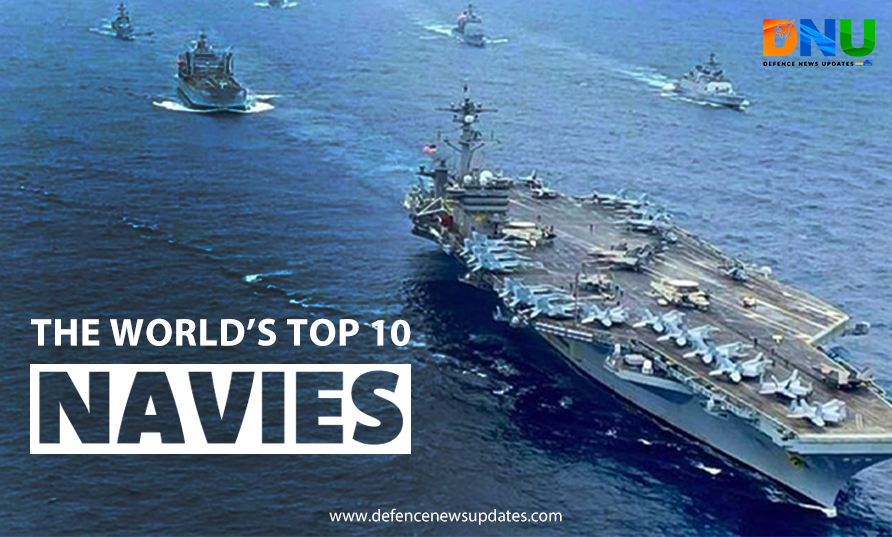
- Naval power in 2026 is no longer defined purely by the number of ships a country possesses. Today, dominance at sea is determined by a combination of total fleet tonnage, aircraft carrier strike capability, submarine strength, missile systems (VLS cells), and global logistics reach.
Which navy is the strongest in the world? How strong are the top 10 navies?
The latest 2026 Global Naval Power Index highlights a clear reality: while many nations have powerful fleets, only a few possess true blue-water capability-the ability to project power across the globe.
Our list of the top 10 navies is based on the ships and submarines in their fleets. This analysis looks at how well the world’s navies can attack.
At the moment, these are the top 10 most powerful navies in the world:

Global Naval Power Rankings (2026)
-
- United States
- China
- Russia
- India
- Japan
- United Kingdom
- France
- South Korea
- Italy
- Turkey
United States
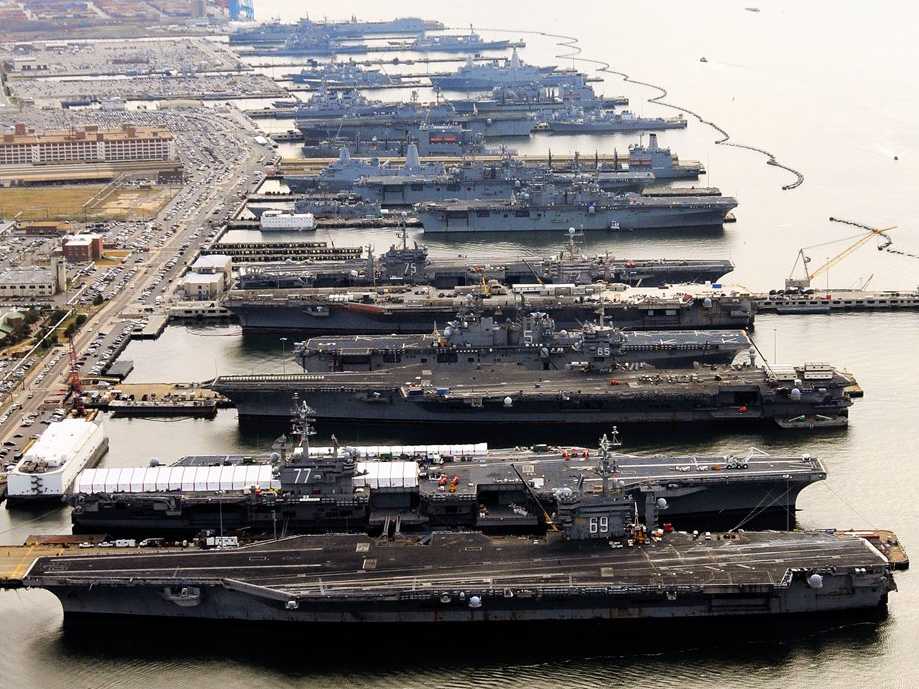
The most powerful navy in history, capable of operating simultaneously across all oceans.
Key Strengths
- 11 nuclear-powered aircraft carriers
- ~9,000+ VLS cells (world’s highest)
- Global logistics dominance
Fleet Breakdown
- Aircraft Carriers: 11 (Nimitz & Ford Class)
- Helicopter Carriers: 9+
- Amphibious Warships: 30+
- Destroyers: 90+ (Arleigh Burke class)
- Frigates: Emerging (Constellation class)
- Corvettes: None (focus on larger vessels)
- Submarines: ~68 (all nuclear)
- Patrol Vessels: Limited
- Mine Warfare: 8+
- Active Personnel: ~340,000
- Naval Aviation: Largest globally (2,500+ aircraft)
Verdict: Absolute global dominance through carrier strike groups.
China
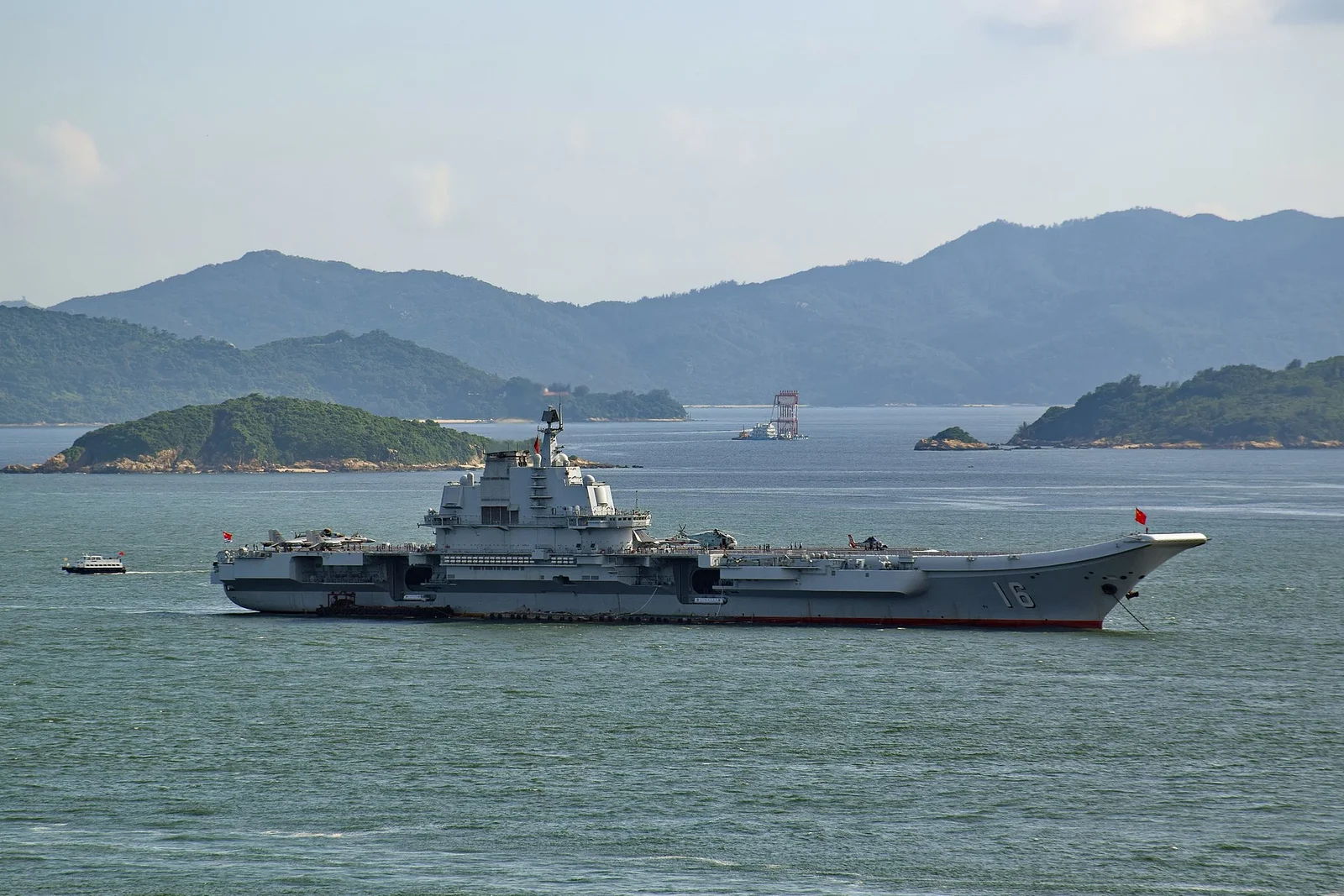
The largest navy by ship count, rapidly modernizing.
Key Strengths
- 400+ ships
- Fastest naval expansion
- Strong regional dominance
Fleet Breakdown
Aircraft Carriers: 3
Helicopter Carriers: 8+
Amphibious Warships: 40+
Destroyers: 50+
Frigates: 45+
Corvettes: 70+
Submarines: 65+ (mix of nuclear & diesel)
Patrol Vessels: 100+
Mine Warfare: Extensive
Active Personnel: ~250,000
Naval Aviation: Rapidly growing
Verdict: Quantity + modernization = strongest challenger to the US.
Russia
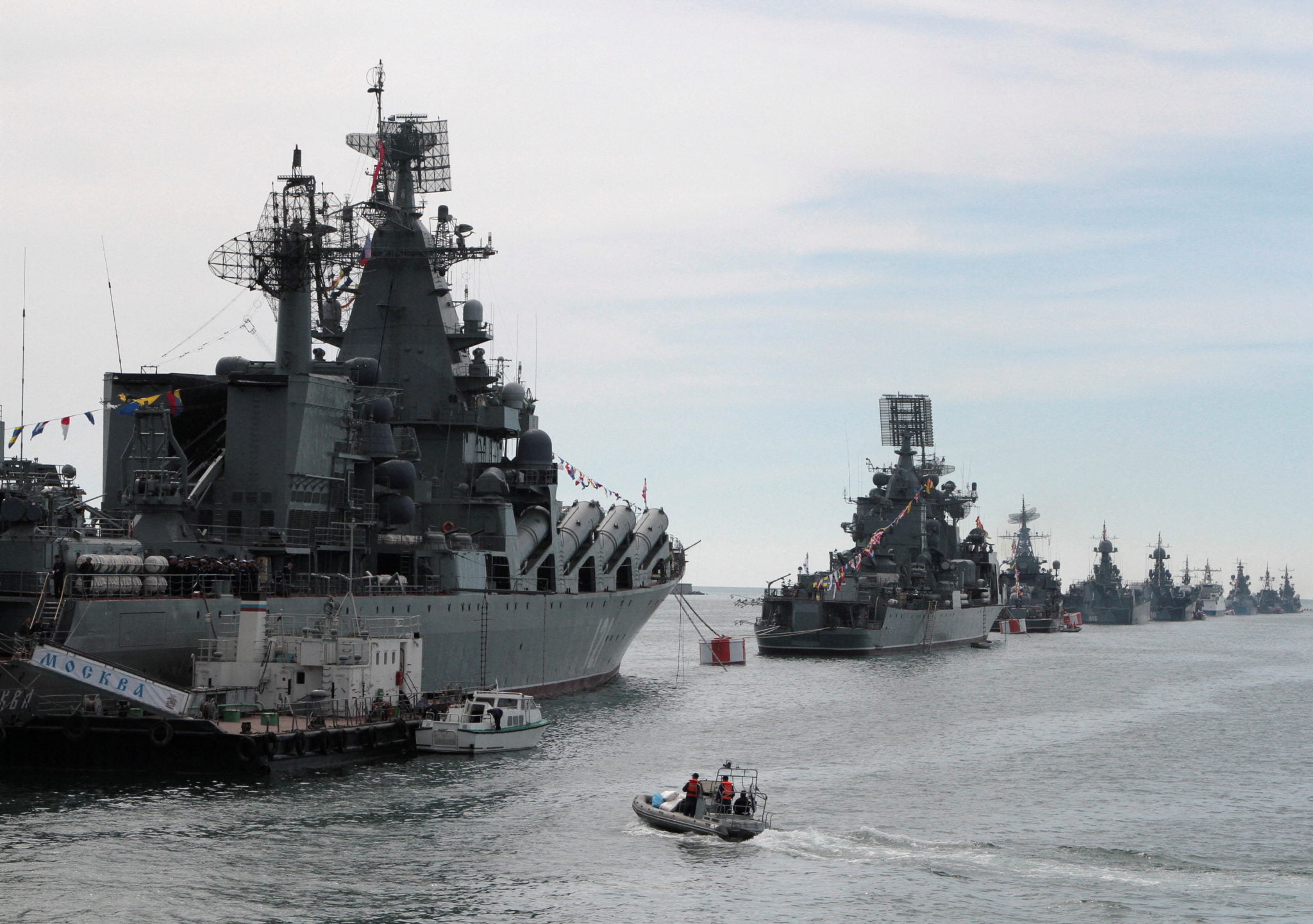
A submarine-heavy strategic navy, focused on nuclear deterrence.
Fleet Breakdown
Aircraft Carriers: 1 (limited operational status)
Helicopter Carriers: Few
Amphibious Warships: 20+
Destroyers: 10+
Frigates: 15+
Corvettes: 80+
Submarines: 50+ (including nuclear)
Patrol Vessels: Numerous
Mine Warfare: Strong
Active Personnel: ~150,000
Naval Aviation: Moderate
Verdict: Power lies underwater, not surface fleet.
India
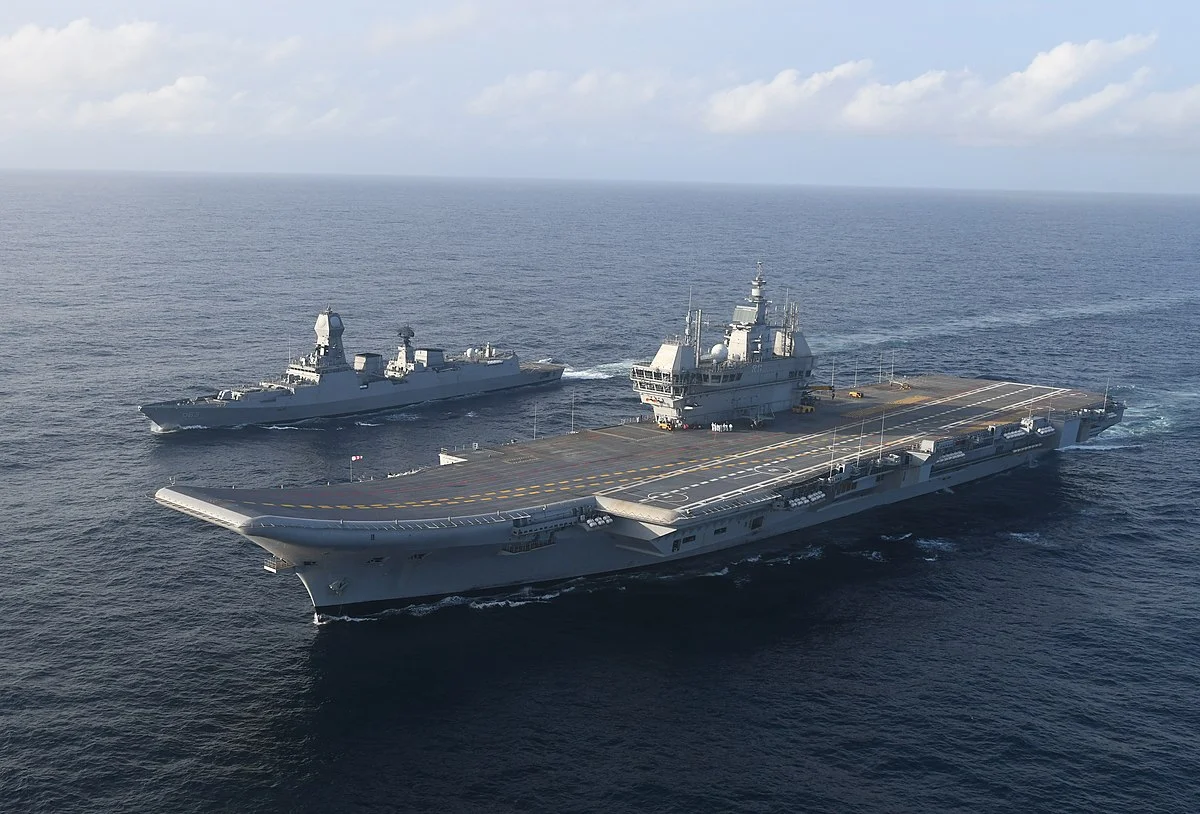
A rapidly rising blue-water navy with Indo-Pacific ambitions.
Fleet Breakdown
- Aircraft Carriers: 2 (INS Vikrant, INS Vikramaditya)
- Helicopter Carriers: Planned
- Amphibious Warships: 20+
- Destroyers: 10+
- Frigates: 15+
- Corvettes: 20+
- Submarines: 18 (incl. nuclear)
- Patrol Vessels: 100+
- Mine Warfare: Limited (modernization needed)
- Active Personnel: ~75,000
- Naval Aviation: MiG-29K, P-8I fleet
👉 Verdict: Strong regional power with growing global reach.
Japan
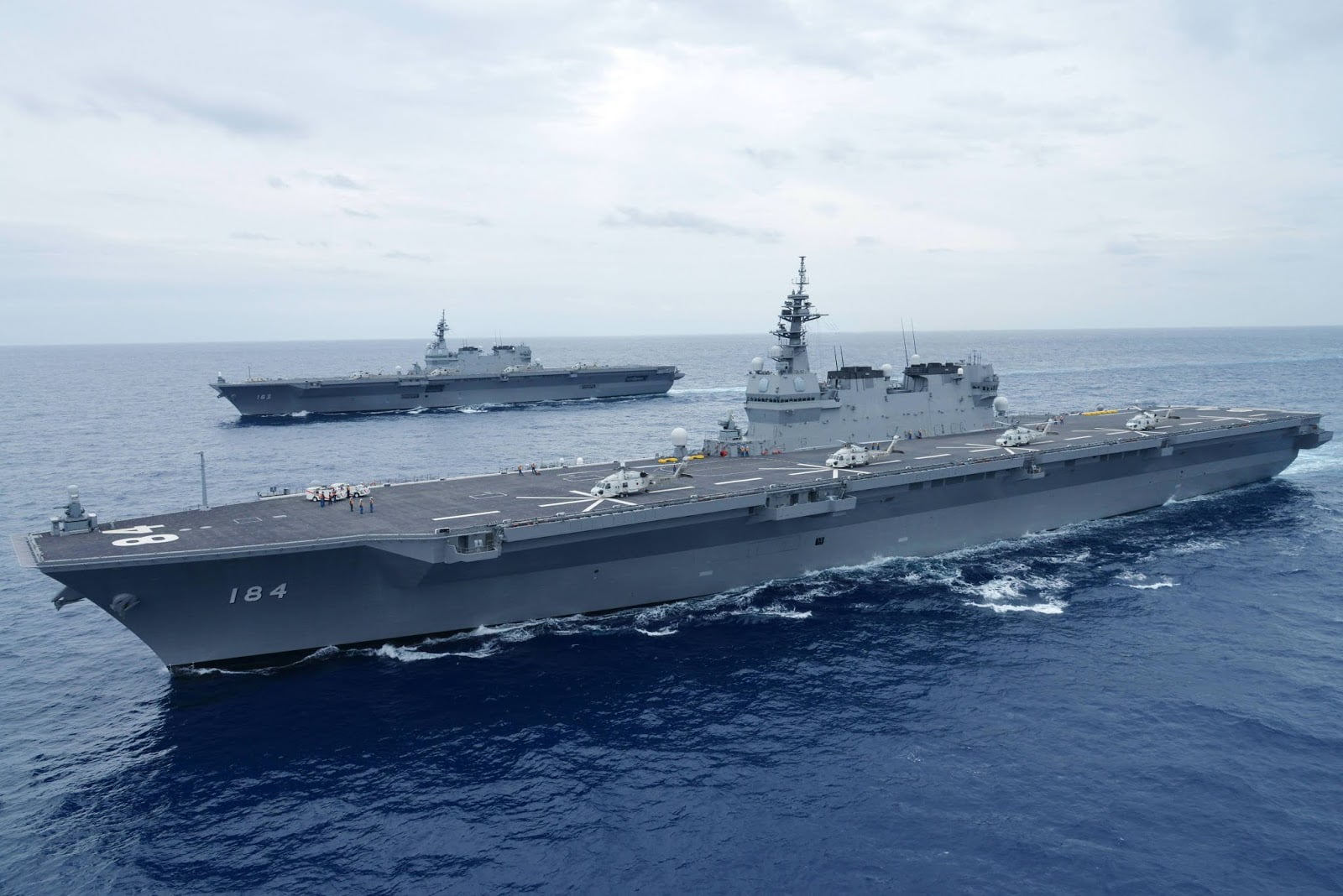
A technological powerhouse, especially in anti-submarine warfare.
Fleet Breakdown
Aircraft Carriers: 2 (converted Izumo-class)
Helicopter Carriers: 4
Amphibious Warships: Limited
Destroyers: 40+
Frigates: 10+
Corvettes: Minimal
Submarines: 22 (advanced lithium-ion)
Patrol Vessels: Strong
Mine Warfare: Advanced
Active Personnel: ~50,000
Naval Aviation: Highly advanced
Verdict: Defensive but extremely lethal.
United Kingdom
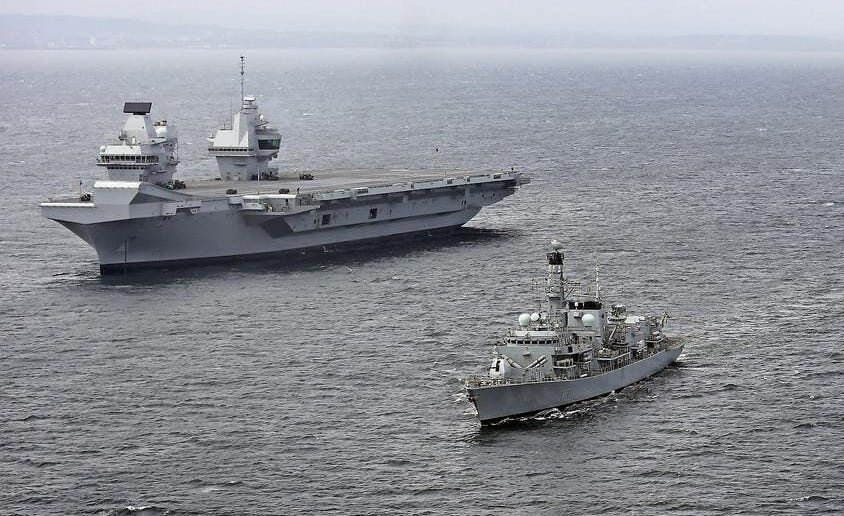
A carrier-based global navy with NATO integration.
Fleet Breakdown
Aircraft Carriers: 2 (Queen Elizabeth Class)
Helicopter Carriers: Integrated
Amphibious Warships: 10+
Destroyers: 6
Frigates: 12
Corvettes: None
Submarines: 10 (all nuclear)
Patrol Vessels: Moderate
Mine Warfare: Strong
Active Personnel: ~30,000
Naval Aviation: F-35B capable
Verdict: Small but highly capable expeditionary force.
France
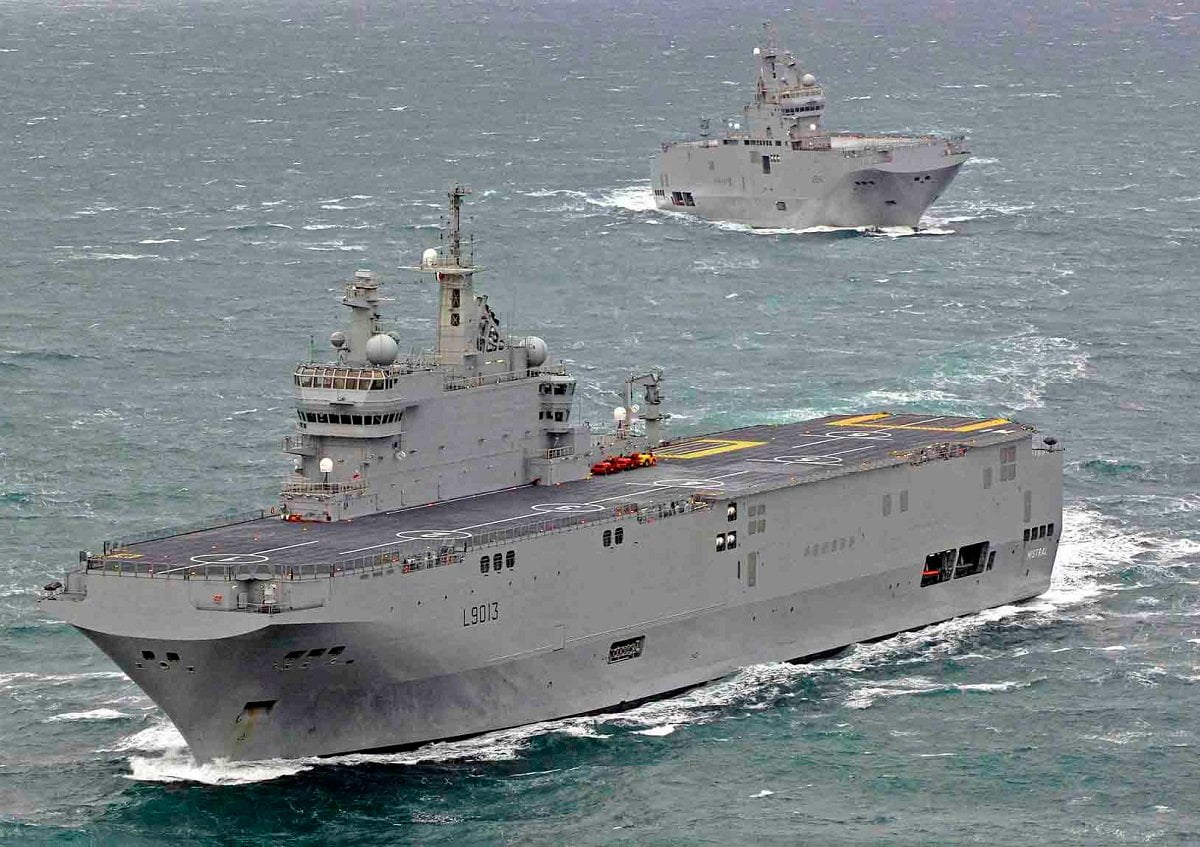
Europe’s only navy with a nuclear-powered aircraft carrier.
Fleet Breakdown
Aircraft Carriers: 1 (Charles de Gaulle)
Helicopter Carriers: 3
Amphibious Warships: 10+
Destroyers: 11
Frigates: 11
Corvettes: Few
Submarines: 10 (all nuclear)
Patrol Vessels: Moderate
Mine Warfare: Advanced
Active Personnel: ~35,000
Naval Aviation: Rafale M jets
Verdict: Balanced, nuclear-capable naval force.
South Korea
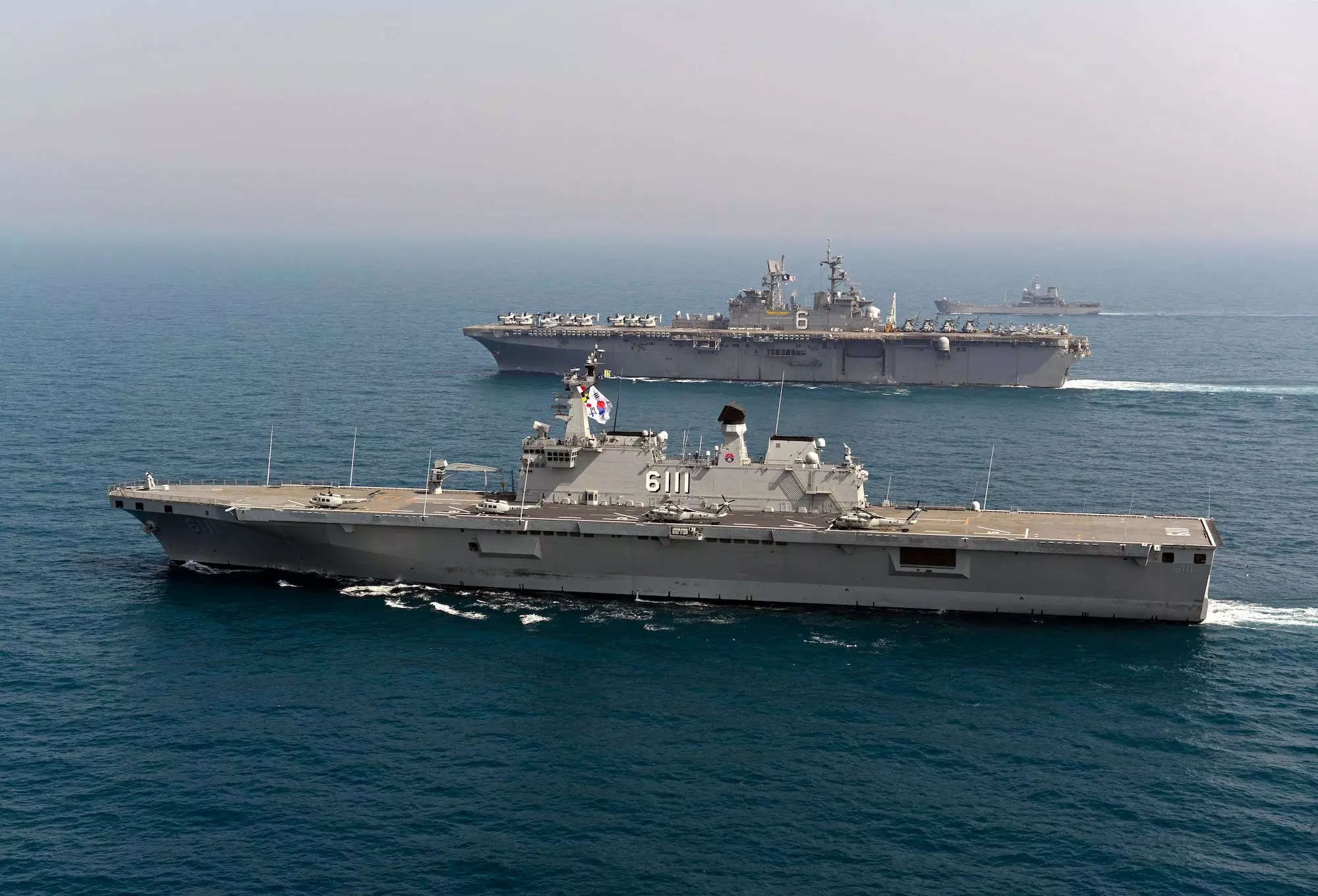
A heavily armed, high-tech navy.
Fleet Breakdown
Aircraft Carriers: Planned (light carrier)
Helicopter Carriers: 2
Amphibious Warships: 10+
Destroyers: 12 (Aegis-equipped)
Frigates: 15+
Corvettes: 20+
Submarines: 20 (KSS-III)
Patrol Vessels: Extensive
Mine Warfare: Strong
Active Personnel: ~70,000
Naval Aviation: Growing
Verdict: Regional deterrence powerhouse.
Italy
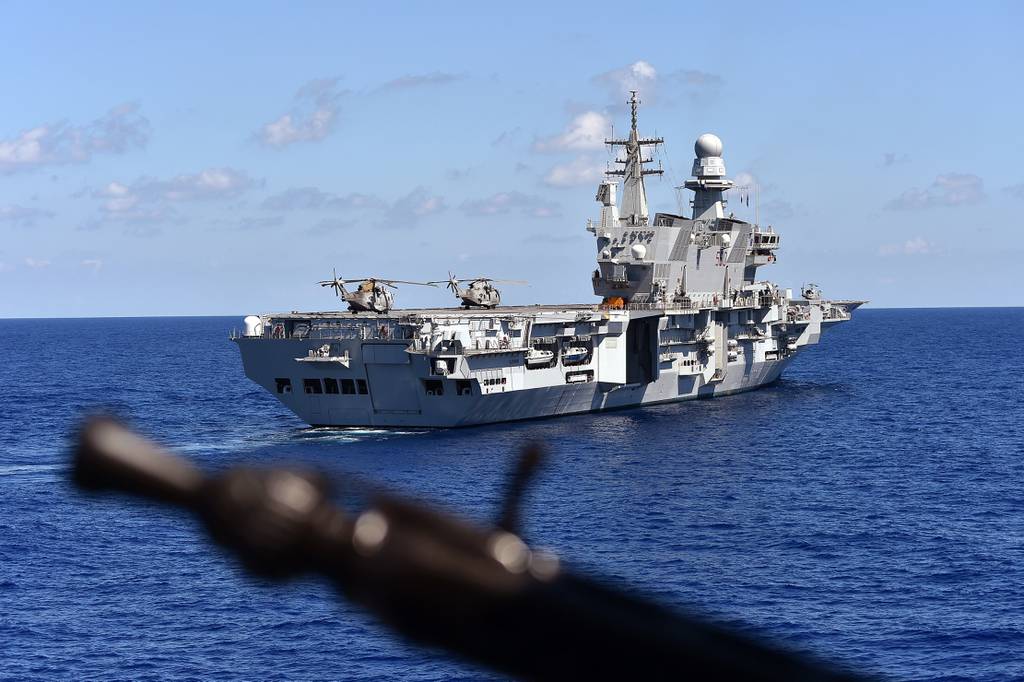
A A versatile Mediterranean force.
Fleet Breakdown
Aircraft Carriers: 2
Helicopter Carriers: Integrated
Amphibious Warships: 8+
Destroyers: 4
Frigates: 10+
Corvettes: 8+
Submarines: 8
Patrol Vessels: Strong
Mine Warfare: Active
Active Personnel: ~30,000
Naval Aviation: F-35B capable
Verdict: Flexible and modern naval force.
Turkey
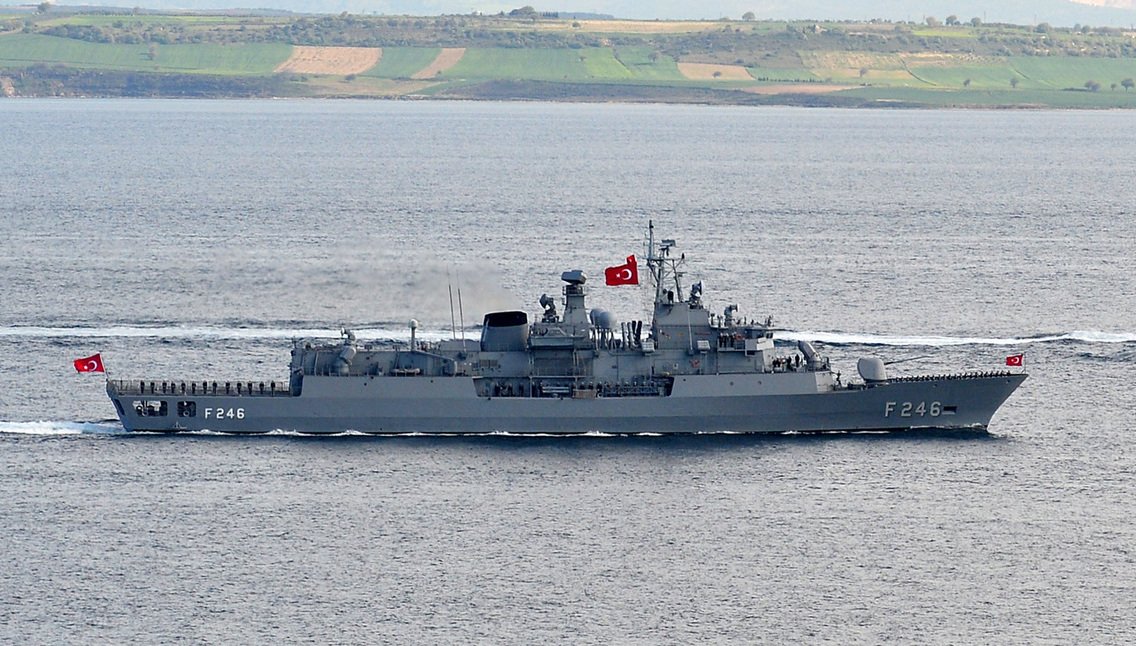
An emerging naval power with drone integration.
Fleet Breakdown
Aircraft Carriers: 1 (TCG Anadolu – drone carrier)
Helicopter Carriers: 1
Amphibious Warships: 10+
Destroyers: Few
Frigates: 16+
Corvettes: 10+
Submarines: 12+
Patrol Vessels: Strong
Mine Warfare: Active
Active Personnel: ~45,000
Naval Aviation: Drone-focused
Verdict: Future-focused naval innovation leader.
2026 Global Naval Power Index: Side-by-Side Capability Analysis
The maritime balance of power in 2026 has moved beyond simple hull counts. To understand which navy truly dominates, we must look at Total Displacement, VLS (Vertical Launch System) Cell Density, and Carrier Strike Capability. This report provides a fresh, data-centric comparison of the world’s top maritime forces.
1. The Superpowers: Global Power Projection
The gap between the “Big Two” and the rest of the world has widened, but the nature of their strength is fundamentally different.
Side-by-Side: USA vs. China (2026 Estimates)
| Capability | United States Navy (USN) | China (PLA Navy) |
| Total Warships | ~295 – 300 | ~400 – 420 |
| Aircraft Carriers | 11 (All Nuclear Supercarriers) | 3 (1 Electromagnetic, 2 STOBAR) |
| Total VLS Cells | ~9,000+ (High Lethality) | ~4,500+ (Rapidly Growing) |
| Nuclear Submarines | 68 (All Nuclear) | ~15 Nuclear / 50+ Diesel-Electric |
| Strategic Focus | Global Command & Sea Control | Regional Denial & First Island Chain |
2. Tier 1: Regional Hegemons (The Carriers)
These navies possess the ability to dominate their respective regions and project power across oceans, though they lack the global sustainment of the US.
The Carrier Powers: India, UK, and France
| Metric | Indian Navy | Royal Navy (UK) | French Navy |
| Active Carriers | 2 (Vikrant, Vikramaditya) | 2 (QE Class) | 1 (Charles de Gaulle – Nuclear) |
| Destroyers/Frigates | 35+ | 18 | 22 |
| Submarines | 18 (inc. 2 SSBN) | 10 (All Nuclear) | 10 (All Nuclear) |
| 2026 Highlight | Induction of 19 new vessels | Full CSG Integration | Next-Gen Carrier (PANG) Progress |
3. Tier 2: The Technological Specialists
These navies are optimized for high-end “Aegis-style” warfare and advanced underwater operations, often operating under a defensive or alliance-based doctrine.
The High-Tech Fleet: Japan vs. South Korea
| Capability | Japan (JMSDF) | South Korea (ROKN) |
| Flat-Top Ships | 4 (2 converted for F-35B) | 2 (Amphibious/Light Carrier focus) |
| Aegis Destroyers | 10 (Highly Advanced) | 6 (Heavy VLS Load) |
| Submarine Tech | Lithium-Ion (Taigei Class) | KSS-III (SLBM Capable) |
| Strategic Role | Shield of the Pacific | Strategic Deterrence |
4. Tier 3: Emerging & Asymmetric Powers
Russia and Turkey represent two different paths: Russia focuses on strategic nuclear deterrence, while Turkey focuses on innovative drone-centric naval aviation.
Asymmetric Strengths: Russia vs. Turkey
| Feature | Russian Navy | Turkish Navy |
| Strategic Edge | Hypersonic Missiles (Zircon) | Naval Drones (TB3/Kizilelma) |
| Key Platform | Yasen-M Class Submarine | TCG Anadolu (Drone Carrier) |
| Status | Strategic Deterrent Force | Rising Mediterranean Power |
5. Global Ranking by Capability Score (2026)
To provide a clear answer on who is strongest, we have scored the navies based on Tonnage, Technological Sophistication, and Operational Experience.
- United States: 100/100 (Unmatched logistics and carrier power)
- China: 88/100 (Massive numbers and modernizing fast)
- Russia: 75/100 (Submarine-heavy, strategic nuclear power)
- India: 72/100 (Rapid expansion, dual-carrier capability)
- Japan: 70/100 (World-class tech and anti-submarine warfare)
- United Kingdom: 68/100 (Global reach with high-end carriers)
- France: 65/100 (Only other nuclear carrier operator)
- South Korea: 62/100 (Heavily armed surface combatants)
- Italy: 58/100 (Versatile Mediterranean force)
- Turkey: 55/100 (Leader in drone-integrated naval warfare)

Facebook Comments