
Pakistan’s Water Crisis Faces Fresh Scrutiny as Experts Highlight Domestic Failures
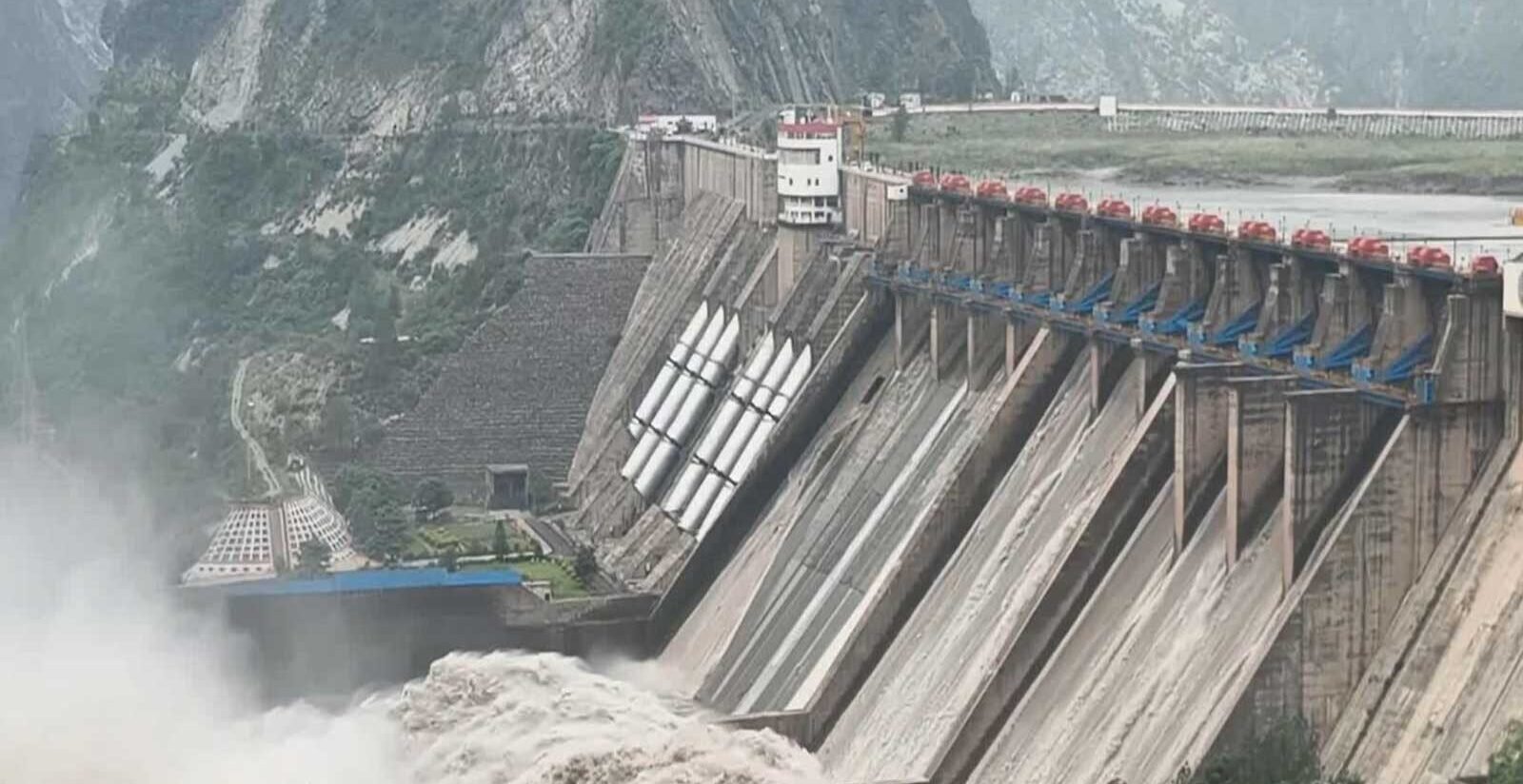
Pakistan’s growing water crisis has come under renewed scrutiny after a review of 25 articles written by Pakistani experts and commentators highlighted serious weaknesses in the country’s own water management system. The findings suggest that domestic mismanagement, inefficient agricultural practices and disagreements between provinces are major contributors to the country’s worsening water situation.
The debate has gained attention amid continuing tensions between India and Pakistan over the Indus Waters Treaty (IWT). Islamabad has repeatedly raised concerns about India’s decision to place the treaty in abeyance in April 2025, arguing that it threatens Pakistan’s water security. However, several Pakistani writers, former government officials, hydrologists and policy experts have pointed to longstanding internal problems that existed well before the latest treaty dispute.
According to a review reported by CNN-News18, the 25 articles were published between 2017 and October 2026 in Pakistani publications, including Dawn, The Express Tribune, The News, The Friday Times and Business Recorder. Their central argument is that Pakistan’s water challenges cannot be explained solely by developments involving India.
Agriculture remains one of the biggest sources of pressure on Pakistan’s freshwater resources. More than 90 per cent of the country’s freshwater is consumed by the agricultural sector, while irrigation efficiency remains below 40 per cent, according to figures cited in the report. Significant quantities of water are lost through poorly maintained canals, outdated irrigation methods and inefficient distribution systems before reaching agricultural fields.


Former Punjab Irrigation Minister Mohsin Leghari has previously highlighted substantial water losses between canal heads and farms. Other Pakistani commentators have also questioned the country’s continued dependence on water-intensive crops, including rice, wheat, sugarcane and cotton. These agricultural practices place considerable pressure on available supplies while exposing weaknesses in long-term water planning.
Institutional shortcomings have added another layer to the problem. Experts have raised concerns about vacant administrative positions, inadequate coordination and delays in strengthening water-management institutions. The absence of consistent leadership and effective monitoring has made it more difficult to introduce reforms and ensure accountability across the sector.
Disagreements between Pakistan’s provinces have also become a major concern, particularly between Punjab and Sindh. Both provinces have raised concerns over water allocation and distribution, with Sindh frequently questioning whether it receives its agreed share. Disputes surrounding river flows, canal projects and water releases downstream of Kotri Barrage have further complicated the situation. These disagreements demonstrate that water management is not simply an international issue for Pakistan but also a significant domestic challenge.
Groundwater depletion presents another serious risk. Unregulated tube-well extraction, particularly in agricultural regions, has contributed to falling groundwater levels. Without stronger regulation and sustainable consumption practices, pressure on underground water reserves could increase further.
The debate does not remove the wider legal and diplomatic disagreement over the Indus Waters Treaty. In August 2026, the Permanent Court of Arbitration issued a ruling maintaining that the treaty remained in force, a position India rejected, disputing the court’s jurisdiction. The disagreement continues to complicate water relations between the two countries.
Nevertheless, the concerns raised by Pakistani experts underline the importance of domestic reforms. Improving irrigation efficiency, repairing canal infrastructure, regulating groundwater extraction and establishing transparent provincial water-sharing arrangements will be essential to addressing Pakistan’s long-term water challenges.
The growing discussion suggests that resolving the crisis will require more than diplomatic arguments. Sustainable water management, institutional accountability and cooperation between provinces will remain central to protecting Pakistan’s agricultural production and future water security.




Facebook Comments