
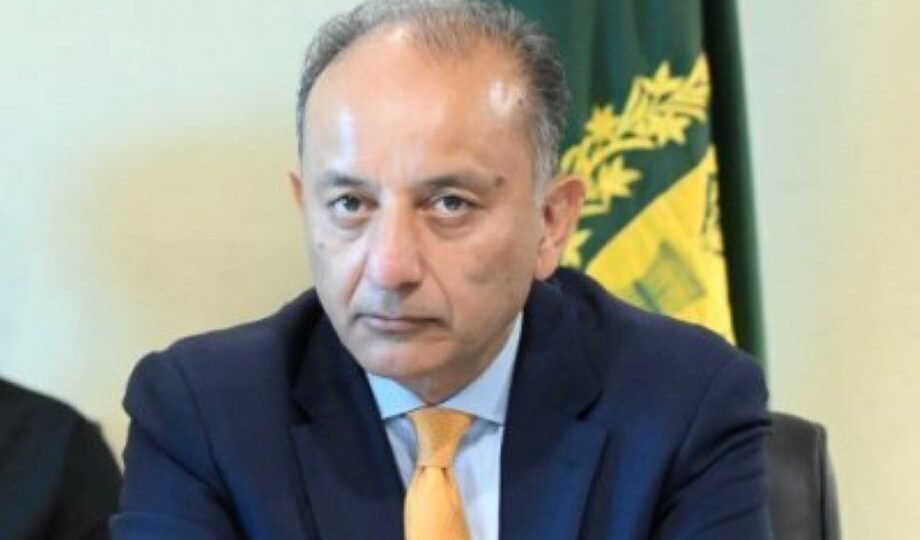
Pakistan’s proposed participation in the upcoming Shanghai Cooperation Organisation (SCO) Civilisational Dialogue Forum in New Delhi has drawn attention amid continuing tensions over the Indus Waters Treaty. Pakistan’s Climate Change Minister, Musadik Masood Malik, has indicated that he has not ruled out raising the water-sharing issue during his visit to India, although he has not confirmed whether it will be included in his formal address.
Speaking to a Pakistani news channel, Malik was questioned about whether he would use the international gathering to highlight India’s decision to keep the Indus Waters Treaty in abeyance. Rather than providing a definite answer, he said the discussions would depend on the forum’s agenda and the subjects being addressed during the event. He also clarified that his visit was primarily connected to the multilateral dialogue rather than any planned bilateral engagement with Indian officials.
The SCO Civilisational Dialogue Forum is scheduled to take place in New Delhi from November 20 to 22, 2026. The event will bring together representatives from participating countries to discuss cultural heritage, history, architecture, literature, religious traditions and shared civilisational connections. Pakistan’s Foreign Office has also described the gathering as an opportunity to promote cultural understanding and strengthen regional people-to-people relations.
The possibility of Pakistan raising the Indus water issue is particularly significant because the treaty has remained a major point of disagreement between the two neighbouring countries. Signed in 1960 with the assistance of the World Bank, the Indus Waters Treaty established a mechanism for sharing the waters of the Indus river system between India and Pakistan. It allocated the eastern rivers—Ravi, Beas and Sutlej—to India, while Pakistan received rights over the western rivers—Indus, Jhelum and Chenab, subject to provisions allowing certain uses by India.


Tensions surrounding the agreement increased following the April 22, 2025, terrorist attack in Pahalgam, Jammu and Kashmir, in which 26 people were killed. On April 23, India announced that the treaty would remain in abeyance until Pakistan credibly and irrevocably ended its support for cross-border terrorism. Pakistan strongly criticised the decision and has repeatedly expressed concerns about its implications for the country’s water security.
In June 2026, Musadik Malik also issued strong warnings regarding Pakistan’s water supplies, emphasising that Islamabad would respond to any action it considered a threat to its access to water. His latest remarks about the upcoming SCO gathering have therefore renewed attention on the issue, even though he has not confirmed that it will formally feature in the discussions.
Malik’s proposed visit is also diplomatically notable, as it could mark the first visit by a Pakistani federal minister to India since May 2023, when former Foreign Minister Bilawal Bhutto Zardari travelled to Goa for an SCO Council of Foreign Ministers meeting.
With relations between India and Pakistan continuing to face significant challenges, the upcoming forum will be closely watched for any statements from the Pakistani delegation. Whether the Indus Waters Treaty dispute becomes part of the discussions remains uncertain, but Malik’s comments have already placed the sensitive water-sharing issue back in the diplomatic spotlight.



Facebook Comments