
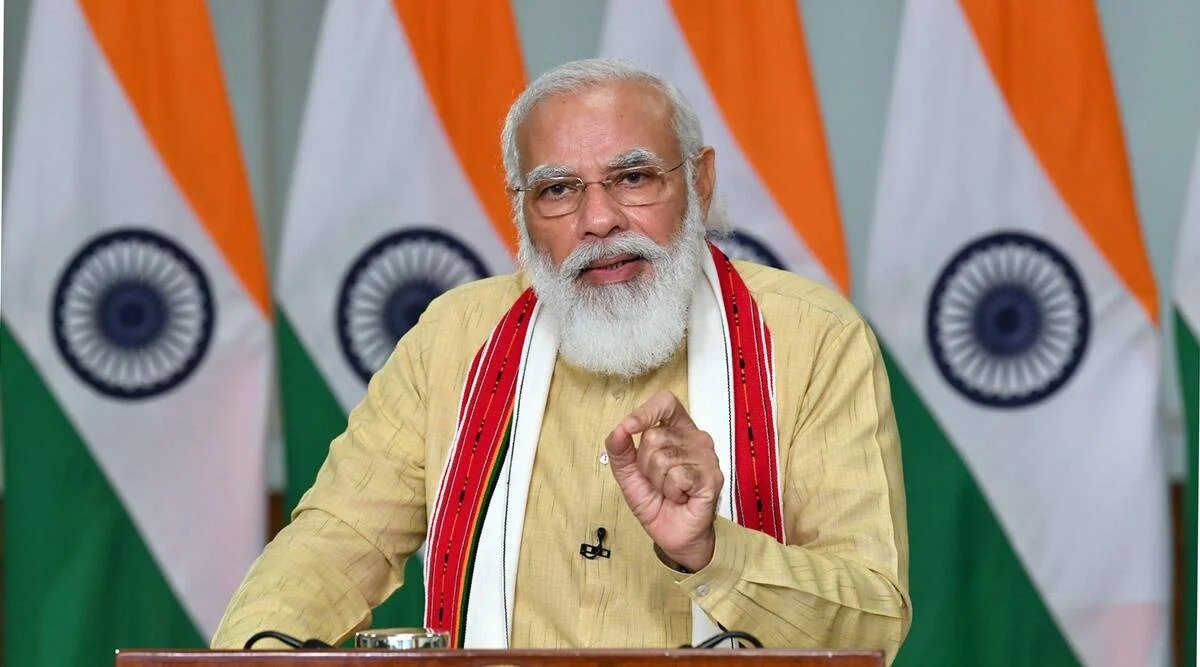
Prime Minister Narendra Modi is embarking on a three-nation Indo-Pacific tour that underscores India’s evolving approach to regional security, trade partnerships, and strategic autonomy in one of the world’s most contested maritime zones.
The tour reflects India’s deepening commitment to the Indo-Pacific as a theatre where New Delhi must actively shape outcomes rather than remain a reactive player. This positioning aligns with India’s articulated vision of a free, open, and rules-based Indo-Pacific, a framework that has gained strategic urgency given China’s assertive military posturing across the region.
India’s Indo-Pacific strategy has evolved substantially since 2014. The country shifted from viewing the region primarily through economic and cultural lenses to treating it as a core theatre for military modernisation, naval expansion, and strategic partnerships. The Indian Navy has progressively increased its presence in the region, conducting freedom of navigation operations, participating in multilateral exercises, and expanding port infrastructure ties with Indo-Pacific partners.
Modi’s visits to multiple Indo-Pacific nations signal India’s willingness to strengthen bilateral defence and security ties simultaneously with economic engagement. India has positioned itself as a counterweight to unilateral regional hegemony, emphasizing partnerships grounded in mutual respect and non-alignment rather than bloc formation. This approach distinguishes India’s strategy from more rigid Cold War-era alliance models.
The tour comes as India accelerates defence modernisation across all three services. The Indian Navy’s expansion programme includes new indigenous aircraft carriers, guided-missile frigates built under Project 17A, and advanced submarine-launched systems. The Indian Air Force continues induction of the HAL Tejas light combat aircraft alongside imported platforms. The Army has prioritised mountain warfare capabilities and mechanisation programmes aligned with potential Indo-Pacific contingencies.
India’s defence exports and technology partnerships in the Indo-Pacific region have also expanded. New Delhi has offered defence cooperation frameworks to multiple Southeast Asian nations, including supply of naval vessels, training programmes, and joint exercises. The QUAD mechanism, grouping India, the United States, Japan, and Australia, has become the institutional anchor for India’s Indo-Pacific security architecture.
Trade remains inseparable from India’s security calculus in the region. The country seeks to balance economic interdependencies while ensuring supply chain resilience in critical defence sectors. India’s participation in regional trade blocs and infrastructure initiatives reflects a holistic approach where commerce, logistics, and military presence reinforce one another.
The Prime Minister’s diplomatic outreach across three Indo-Pacific nations will likely include discussions on maritime security cooperation, joint exercises, defence industrial partnerships, and coordination on multilateral forums where regional rules of engagement continue to be contested and redefined.


Facebook Comments