
Indus Waters Dispute Deepens as Pakistan Signals Tough Response to India
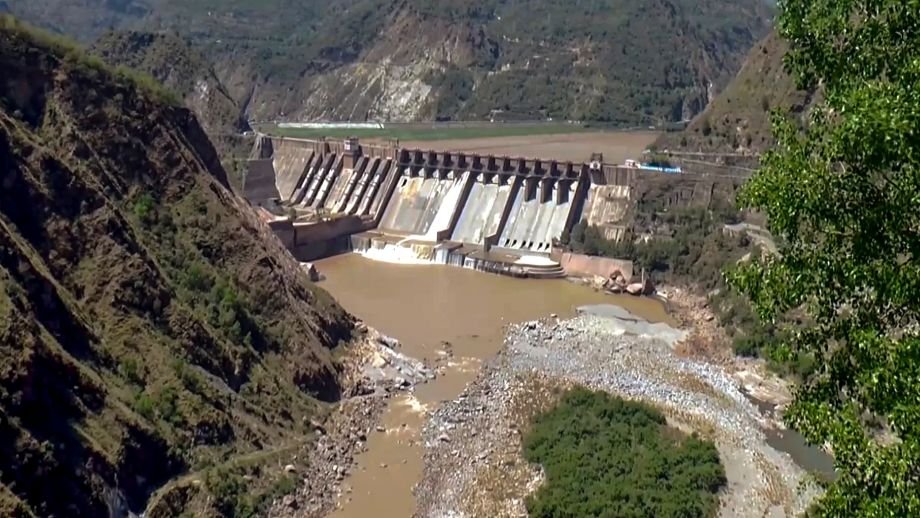
The long-running dispute between India and Pakistan over the Indus river system has entered another tense phase, with Islamabad stepping up its warnings over the future of water flows. Pakistan has indicated that it will take a strong position if it believes India’s actions could affect its access to the rivers covered by the Indus Waters framework.
The dispute has its roots in the Indus Waters Treaty of 1960, which created a system for managing the waters of the Indus river basin between the two countries. For decades, the agreement remained one of the few functioning mechanisms of cooperation between New Delhi and Islamabad despite repeated military confrontations and political crises.
That relationship changed significantly after India placed the treaty in abeyance following the 2025 Pahalgam terror attack. New Delhi has maintained that the treaty cannot return to normal functioning while Pakistan continues to be associated with cross-border terrorism. The Indian government has reiterated that the treaty will remain in abeyance until Islamabad takes credible steps on the terrorism issue.
Pakistan has rejected India’s position and continues to argue that the treaty remains legally binding. Islamabad has repeatedly accused New Delhi of attempting to use its upstream position to gain leverage over Pakistan’s water supply. Pakistani officials have also taken the issue to international forums, arguing that shared water resources should not be used as a political or strategic instrument.


The latest warnings from Pakistan reflect the increasingly security-oriented nature of the dispute. Earlier statements from senior Pakistani officials and military leadership have described water availability as a national-security matter and pledged to take necessary measures to protect Pakistan’s share of the Indus waters.
For Pakistan, the stakes are particularly high because the Indus basin is central to irrigation, agriculture and the country’s wider water security. The issue therefore extends beyond diplomacy and treaty interpretation, with Islamabad viewing reliable river flows as an essential economic and strategic requirement.
India, meanwhile, has rejected the suggestion that it is deliberately weaponising water and has continued to defend its position on the treaty. New Delhi has also disputed Pakistani claims concerning river flows, pointing in recent cases to natural factors such as heavy monsoon rainfall when addressing allegations about changes in water levels.
The contrasting positions have turned the Indus Waters Treaty into another major point of friction in already difficult bilateral relations. What was once primarily a mechanism for water management is now closely connected with terrorism, national security, international law and strategic competition between the two neighbours.
Pakistan’s latest warnings can therefore be seen in the broader context of its efforts to keep international attention focused on the water issue. India, on the other hand, continues to link the future of the treaty with its wider security concerns and its demand for an end to cross-border terrorism.
With neither side showing signs of immediately changing its fundamental position, the Indus Waters dispute is likely to remain a sensitive issue in South Asian geopolitics. Any further escalation could have implications well beyond water management, particularly because the disagreement is unfolding alongside already strained security and diplomatic relations between India and Pakistan.




Facebook Comments