
Iran War Takes Heavy Toll on US Reaper Fleet as 45 MQ-9 Drones Are Lost
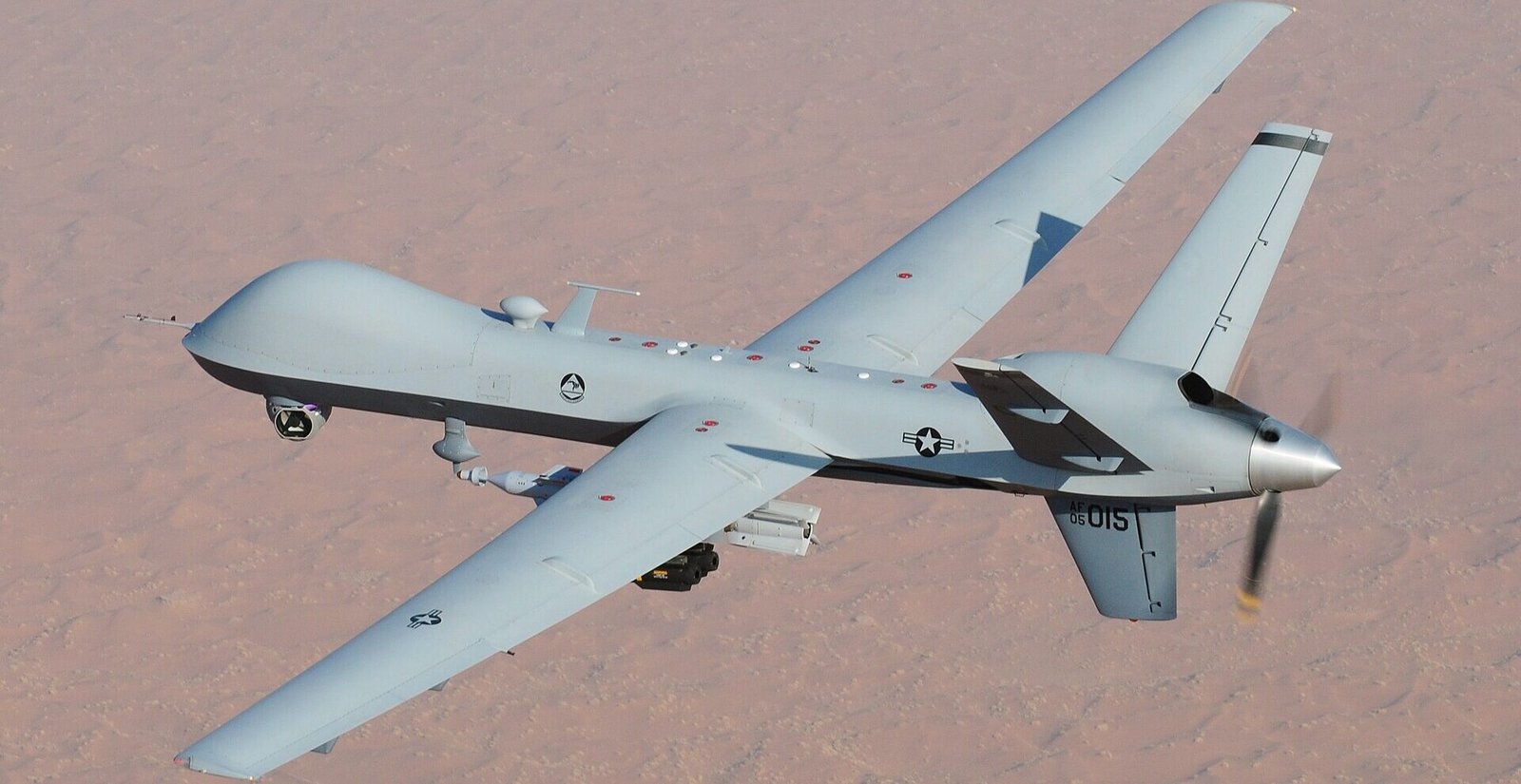
The United States has reportedly lost at least 45 MQ-9 Reaper drones during the war with Iran, marking a major blow to one of its most widely used unmanned aircraft fleets. According to reporting based on U.S. officials, the losses amount to approximately 25 percent of the American Reaper inventory.
The MQ-9 Reaper has long been an important asset for U.S. military operations, combining long endurance with intelligence, surveillance and reconnaissance capabilities. The aircraft can also carry precision-guided weapons, allowing it to perform both observation and strike missions without placing a pilot inside the combat zone.
The scale of the reported losses is significant because the Reaper was developed to provide persistent coverage over large areas. Losing dozens of aircraft could put additional pressure on the remaining fleet, particularly as the United States continues to require unmanned platforms for surveillance and operational support across multiple regions.
The financial impact could also be considerable. A Reaper’s overall cost varies according to its configuration, sensors, communications equipment and weapons-related systems. Based on estimated aircraft values, the reported loss of 45 platforms could push the total value of the lost fleet above $1.3 billion.


However, the reported figure should not be interpreted as 45 aircraft being destroyed solely by Iranian air defences. Reports indicate that the losses include different circumstances, with some aircraft reportedly being lost after communication links were disrupted. The distinction is important because it reflects both combat vulnerability and the operational challenges of controlling unmanned aircraft in a sophisticated electronic warfare environment.
The conflict has also raised wider questions about the survivability of large UAVs. Reapers offer considerable endurance and payload capacity, but their size, speed and operating characteristics can make them challenging to protect when facing advanced air-defence and electronic warfare capabilities.
The experience could influence the U.S. approach to future unmanned aviation. Instead of relying primarily on a limited number of expensive, high-end drones, future operations may increasingly involve larger numbers of lower-cost systems supported by autonomous capabilities, electronic protection and networked operations.
For military planners, the reported Reaper losses provide an important indication of how quickly the operating environment for unmanned aircraft is changing. Drones that were highly effective in lower-threat environments now face a much more demanding battlefield where air defence, electronic warfare and counter-drone technologies can significantly affect mission success.
The MQ-9 Reaper is expected to remain an important U.S. military platform, but the losses reported during the Iran war could strengthen the case for developing a new generation of unmanned aircraft designed specifically for high-intensity conflicts. Greater survivability, improved communications resilience and the ability to operate alongside other autonomous systems are likely to become increasingly important requirements.
The reported loss of 45 Reapers therefore represents not only a costly reduction in the U.S. drone fleet but also a potential turning point in the debate over how large unmanned aircraft should be used in future wars.




Facebook Comments