
Indian Army Launches 12-Day Counter-Terror Training Programme for J&K Police
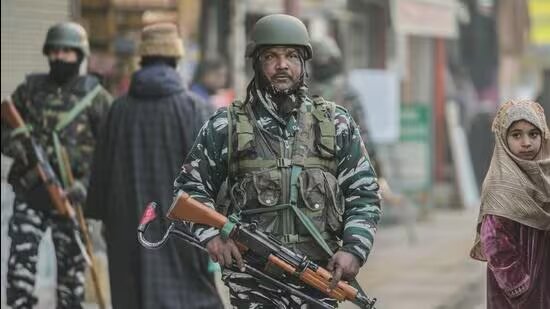
The Indian Army has launched a 12-day counter-terror training programme designed specifically for Jammu and Kashmir Police personnel, according to officials. The initiative aims to strengthen operational coordination and tactical capabilities of J&K Police in counter-insurgency and counter-terror operations across the union territory.
The training curriculum focuses on contemporary counter-terrorism doctrine, close-quarters combat, weapon handling under high-stress scenarios, and intelligence-driven operational planning. Participants will undergo instruction in breaching techniques, hostage rescue protocols, and coordination procedures aligned with Indian Army counter-terror SOPs.
This training reflects the Indian Army’s longstanding role in supporting civil law enforcement in J&K, where the 15 Corps and Chinar Corps maintain active counter-terror operations alongside state police and Central Armed Police Forces. The programme builds on the established pattern of inter-agency training partnerships that have been strengthened significantly since 2019.
Counter-terror training initiatives in J&K serve dual objectives: enhancing J&K Police operational independence while maintaining seamless coordination with Army units deployed across the valley. The Indian Army has conducted similar programmes periodically, recognizing that local law enforcement agencies require specialised instruction in techniques specific to the asymmetric threat environment in Kashmir.
J&K Police operates under the command of a state Director General of Police, yet coordinates extensively with Army formations in counter-insurgency operations. Joint training ensures that tactical procedures, communication protocols, and engagement rules are standardised across agencies responding to terror incidents. The 12-day format allows for intensive instruction in both theoretical frameworks and field exercise validation.
The Indian Army’s counter-terror expertise draws from decades of operations in J&K, the Northeast, and strategic partnership with special forces from allied nations. Tactical innovations developed through these experiences are regularly incorporated into training curricula provided to paramilitary and state police units. This knowledge transfer is critical to building sustainable counter-terror capability beyond the direct presence of Army personnel.
Inputs for such training programmes often incorporate lessons from recent counter-terror operations, threat assessments from intelligence agencies, and evolving tactics used by terror organisations operating in the region. The J&K Police Counter-Insurgency Force, specialised units like SOG, and district police riot control teams typically form the backbone of participants in such Army-led instruction.
Facebook Comments