
Pakistan’s Defence Minister Threatens War Over Indus Waters Treaty Dispute
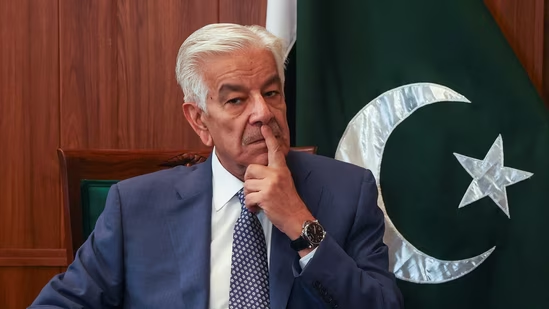
Pakistan’s Defence Minister Khawaja Asif has issued a stark warning that Islamabad is prepared to go to war with India over disputes relating to the Indus Waters Treaty, according to reports. The threat marks an escalation in rhetoric from Islamabad on a long-standing grievance over water-sharing arrangements between the two nations.
The Indus Waters Treaty, signed in 1960 between India and Pakistan with World Bank mediation, is one of the world’s most successful international water-sharing agreements. It divides the waters of the Indus River system, allocating the three eastern rivers (Sutlej, Beas, Ravi) to India and the three western rivers (Indus, Chenab, Jhelum) to Pakistan, with specific provisions governing dam construction and water management.
Pakistan has repeatedly alleged that Indian hydroelectric projects on the eastern rivers breach treaty provisions, particularly regarding dam design specifications and water release schedules. These complaints have periodically triggered World Bank intervention under the treaty’s dispute resolution mechanism.
The treaty framework includes a standing Indus Commission with commissioners from both nations tasked with addressing technical disagreements before escalation. Disputes are referred to neutral experts and, as a last resort, to the World Bank for binding arbitration. This institutional mechanism has successfully prevented the water dispute from becoming a military flashpoint despite recurring tensions.

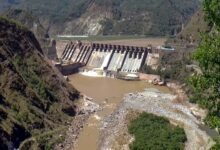
India’s position maintains that all its dam projects comply with treaty parameters and that the World Bank, as guarantor, has repeatedly validated Indian designs. New Delhi has pointed to successful project completions including the Baglihar and Kishenganga hydroelectric projects, both of which underwent World Bank technical review.
From a strategic perspective, control of waters in the Indus system carries immense importance for Pakistan, which relies on the river system for 70 percent of its irrigation supply. India’s development of eastern river resources is viewed by Islamabad as a threat to agricultural output and water security.
Pakistan’s periodic threats over the treaty must be contextualized within broader India-Pakistan tensions, particularly following security incidents in Kashmir. However, the treaty’s institutional structure has proven durable across multiple wars and crises, suggesting that water disputes, while emotionally charged, remain contained within diplomatic and technical channels rather than escalating to armed conflict.




Facebook Comments