
US Aircraft Losses in Iran Conflict: Full Inventory of 42 Downed Aircraft
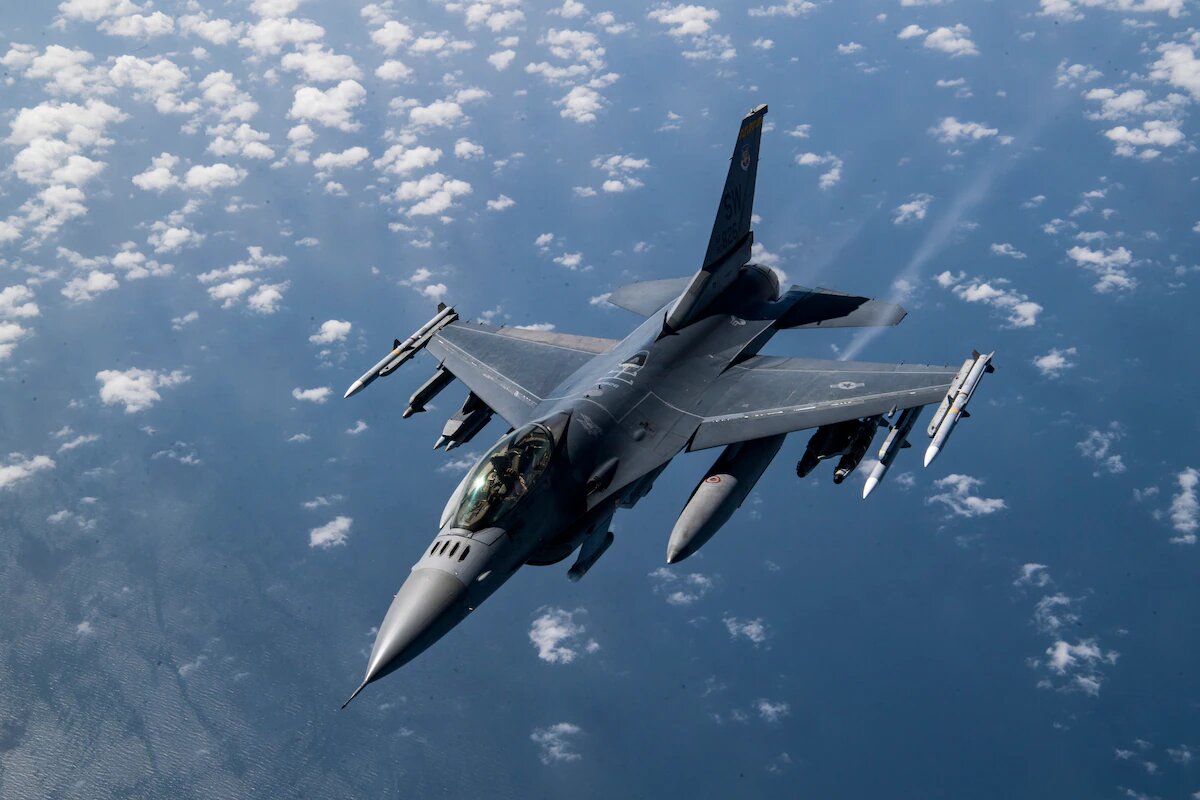
A comprehensive inventory documenting 42 US aircraft losses during military operations in the Iran conflict has been compiled. The list spans multiple aircraft types and operational theatres, offering a detailed accounting of air losses over the course of the engagement.
The losses encompass a range of platforms from fighter jets to transport and support aircraft, reflecting the intensity and scope of aerial operations conducted during the conflict. Aircraft types involved include both crewed and unmanned systems lost to Iranian air defences, combat operations, and operational accidents.
Complete Inventory of the 42 Downed or Damaged Aircraft
The full breakdown of the 42 aircraft reportedly downed, destroyed, or damaged is categorized below by aircraft type:
MQ-9 Reaper Drones – 24
- Uncrewed aerial vehicles (UAVs) primarily used for intelligence gathering, surveillance, reconnaissance, and precision strike missions.
- Represent the largest share of the reported aerial losses.
KC-135 Stratotankers – 7
- Aerial refueling aircraft critical for extending the operational range of combat aircraft.
- One aircraft was reportedly destroyed during a mid-air refueling operation.
- Five others sustained heavy damage during an Iranian missile strike on a Saudi Arabian airfield.
- Another aircraft was reported damaged during operations.
F-15E Strike Eagle Fighter Jets – 4
- Multirole strike fighters used for air superiority and deep strike missions.
- Three aircraft were reportedly lost in a major friendly fire incident over Kuwait on March 2, 2026.
- A fourth F-15E was shot down over Iran on April 5, 2026, during combat operations.
- The crew of the downed aircraft was successfully rescued.
MC-130J Commando II Aircraft – 2
- Special operations transport aircraft used by US Special Operations Forces.
- Both aircraft were intentionally destroyed on the ground by US forces after becoming stranded during a combat search and rescue mission inside Iran.
F-35A Lightning II Stealth Fighter – 1
- Fifth generation stealth multirole combat aircraft.
- Forced to make an emergency landing after sustaining damage from an enemy attack.
- The incident was described as a rare and significant strike against a modern stealth platform.
E-3 Sentry AWACS Aircraft – 1
- Airborne Warning and Control System (AWACS) aircraft used for surveillance, command, and battle management.
- Severely damaged during an Iranian drone and missile attack while parked at a Saudi Arabian airbase.
MQ-4C Triton Drone – 1
- High altitude, long endurance maritime surveillance drone.
- Lost while conducting active tracking and reconnaissance operations.
A-10 Thunderbolt II (Warthog) – 1
- Close air support and ground attack aircraft.
- Reportedly damaged or downed during combat operations.
HH-60W Jolly Green II Helicopter – 1
- Combat search and rescue helicopter.
- Lost during operational missions.
Summary Table
|
Aircraft Type |
Number |
|---|---|
|
MQ-9 Reaper Drone |
24 |
|
KC-135 Stratotanker |
7 |
|
F-15E Strike Eagle |
4 |
|
MC-130J Commando II |
2 |
|
F-35A Lightning II |
1 |
|
E-3 Sentry AWACS |
1 |
|
MQ-4C Triton |
1 |
|
A-10 Thunderbolt II |
1 |
|
HH-60W Jolly Green II |
1 |
|
Total |
42 |
Financial Breakdown of Affected Aircraft
The reported $2.6 billion in hardware losses stems from a combination of advanced stealth fighters, strategic surveillance aircraft, aerial refueling tankers, special operations platforms, and unmanned systems. While the exact configuration and modification costs of each aircraft remain classified, publicly available procurement estimates provide a reasonable picture of the financial impact associated with the 42 affected airframes.
Estimated Financial Losses by Aircraft Type
|
Aircraft Type |
Estimated Unit Cost |
Quantity Affected |
Total Estimated Value |
Operational Status / Context |
|---|---|---|---|---|
|
F-35A Lightning II |
$80 Million |
1 |
$80 Million |
Damaged in enemy strike but successfully completed an emergency landing |
|
E-3 Sentry AWACS |
$270 Million |
1 |
$270 Million |
Severely damaged on the ground during a missile and drone attack |
|
KC-135 Stratotanker |
$40 Million |
7 |
$280 Million |
One destroyed during aerial refueling operations; five heavily damaged in a missile strike |
|
F-15E Strike Eagle |
$50 Million |
4 |
$200 Million |
Three lost in a friendly fire incident; one shot down by enemy air defenses |
|
MC-130J Commando II |
$115 Million |
2 |
$230 Million |
Deliberately destroyed to prevent capture after becoming stranded |
|
MQ-4C Triton Drone |
$120 Million |
1 |
$120 Million |
Lost while conducting maritime surveillance and tracking operations |
|
MQ-9 Reaper Drone |
$32 Million |
24 |
$768 Million |
Sustained the largest losses due to intensive air defense engagement |
|
A-10 Thunderbolt II |
$10 Million |
1 |
$10 Million |
Damaged during close air support combat operations |
|
HH-60W Jolly Green II |
$50 Million |
1 |
$50 Million |
Combat search and rescue helicopter lost during operations |
Total Estimated Value of Affected Aircraft
|
Category |
Estimated Loss |
|---|---|
|
Total Aircraft Affected |
42 |
|
Estimated Combined Hardware Value |
$2.008 Billion |
Key Observations
- MQ-9 Reaper drones accounted for the largest numerical losses, with 24 aircraft representing an estimated value of $768 million.
- The E-3 Sentry AWACS was the single most expensive individual aircraft affected, with an estimated value of $270 million.
- Strategic support aircraft, including KC-135 Stratotankers and MC-130J Commando II transports, contributed significantly to the overall losses.
- The reported damage to an F-35A Lightning II is particularly noteworthy given the aircraft’s advanced stealth capabilities and strategic importance.
- Combined losses among fighter aircraft, surveillance platforms, tankers, helicopters, and drones illustrate the broad operational impact across multiple mission categories.
Note: These figures are based on publicly available procurement and replacement cost estimates. Actual replacement costs, mission equipment packages, upgrades, maintenance expenditures, and operational losses could significantly increase the overall financial impact.



Facebook Comments