
NSA Ajit Doval Reveals PM Modi’s Directive Behind Operation Sindoor After Pahalgam Attack
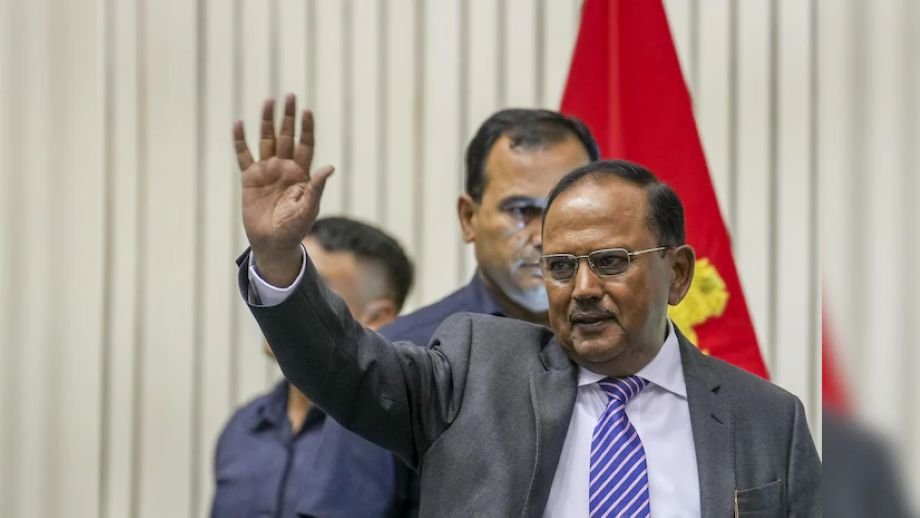
National Security Advisor Ajit Doval has provided a fresh account of the strategic thinking behind Operation Sindoor, revealing the directive given by Prime Minister Narendra Modi after the deadly Pahalgam terror attack in April 2025.
In his latest televised remarks featured in the docuseries Declassified: Operation Sindoor – The Untold Story, Doval recalled that Prime Minister Modi wanted those responsible for the attack to be pursued regardless of where they were located. Doval described the message as a clear direction to go after the perpetrators “wherever they are,” highlighting the government’s determination to bring those behind the attack to justice.
The disclosure provides a rare insight into the decision-making process that preceded Operation Sindoor. According to Doval, the Prime Minister first sought details about who was responsible for the Pahalgam attack and what was known about the perpetrators. The focus then shifted toward developing an appropriate response against the terrorist infrastructure connected with the attack.
The April 22, 2025, Pahalgam attack claimed the lives of 26 people, including 25 Indian citizens and one Nepali citizen. The attack triggered widespread outrage in India and led to a major reassessment of the country’s counter-terrorism response. Indian government accounts described the attack as an attempt to create communal divisions within the country.
India subsequently launched Operation Sindoor on May 7, 2025, with the Indian Armed Forces carrying out precision strikes against terrorist infrastructure in Pakistan and Pakistan-occupied Jammu and Kashmir. The government said nine terrorist infrastructure sites were targeted during the initial phase of the operation.
The operation was presented by the Indian government as a focused response to the Pahalgam attack and was aimed at terrorist infrastructure rather than Pakistani civilian or military installations. Official accounts later described the campaign as involving coordinated action by the Indian Army, Indian Air Force and Indian Navy.
The Indian Air Force played a major role in the precision-strike component of the operation, while the other services contributed to the wider military response. The coordinated approach demonstrated India’s ability to integrate capabilities across the three services during a rapidly evolving security situation.
The military action also led to a wider confrontation between India and Pakistan. Following India’s initial strikes, Pakistan launched attacks involving drones and other weapons, while Indian air-defence systems responded to the incoming threats. The escalation eventually ended with an understanding between the two sides on May 10, 2025.
Doval’s latest account adds an important leadership dimension to the events surrounding Operation Sindoor. His remarks indicate that the operation was guided by a clearly defined objective: identify those responsible for the Pahalgam attack, dismantle the terrorist infrastructure supporting them and ensure that geographical distance would not prevent India from pursuing the perpetrators.
The subsequent Operation Mahadev further strengthened India’s counter-terrorism response. Indian security forces later eliminated terrorists identified by Indian authorities as being involved in the Pahalgam attack. Government publications have said the operation helped bring the individuals responsible for the attack to justice.
Doval’s disclosure therefore offers a broader understanding of Operation Sindoor beyond the strikes themselves. It highlights how political direction, intelligence assessment and military planning were brought together following one of the deadliest terror attacks in Jammu and Kashmir in recent years.
For India’s national security establishment, the episode marked a significant demonstration of its willingness to respond to cross-border terrorism with targeted military action. Doval’s account also underscores the government’s stated position that those responsible for major terror attacks cannot assume that borders or distance will shield them from India’s counter-terrorism response.


Facebook Comments