
Trump Demands ‘Deal or Total Surrender’ as Iran Rejects Claims of Direct Talks
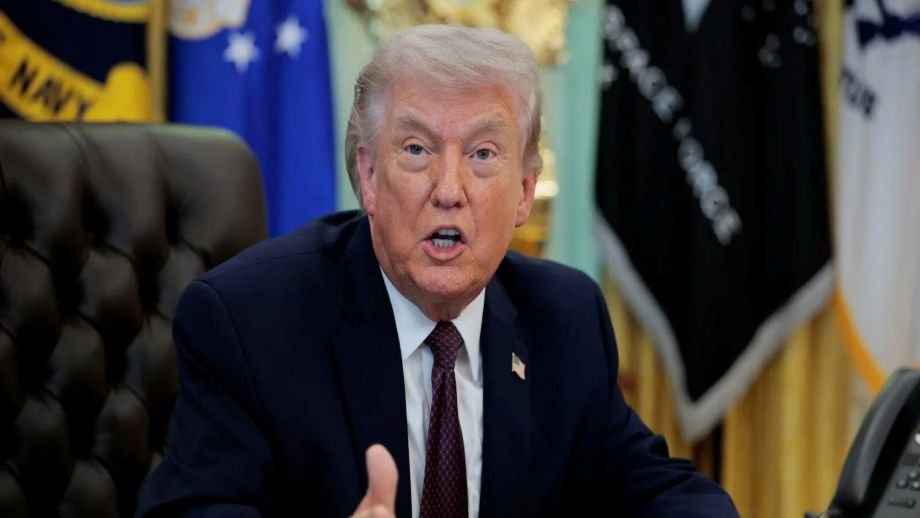
US President Donald Trump has sharply criticized Iran for denying that any direct negotiations with Washington are taking place, warning Tehran that it faces a choice between reaching an agreement or accepting what he described as “total surrender.” The latest exchange has added fresh uncertainty to an already volatile situation in the Middle East, where diplomatic efforts remain intertwined with security concerns and strategic competition.
Speaking to reporters, Trump claimed that discussions with Iranian representatives were underway at Tehran’s request and were being supported by regional partners. He accused Iranian leaders of publicly rejecting negotiations while privately engaging with the United States, calling the approach an example of “duplicity.” According to Trump, Washington remains prepared to pursue diplomacy but expects Iran to make a clear decision rather than sending mixed signals.
Iran, however, has firmly rejected Trump’s assertions. Iranian officials stated that no direct talks with the United States are taking place and reiterated that any current discussions are limited to regional maritime arrangements through intermediaries rather than bilateral negotiations with Washington. Tehran also maintained that it will not negotiate under pressure or threats.
The disagreement comes amid continuing concerns over the Strait of Hormuz, one of the world’s most strategically important maritime chokepoints for global energy supplies. While Trump expressed confidence that progress could be made quickly if Iran agrees to negotiations, Iranian authorities have continued to reject claims that formal diplomatic engagement with Washington has begun.
The conflicting narratives underscore the fragile state of US-Iran relations, with both sides publicly maintaining hardline positions despite reports of indirect diplomatic efforts. Analysts believe that whether negotiations eventually materialize could significantly influence regional stability, energy markets, and the broader security environment in the Gulf.
As the rhetoric intensifies, the international community continues to monitor developments closely, with hopes that diplomatic channels can prevent further escalation in one of the world’s most sensitive geopolitical flashpoints.




Facebook Comments