
Pakistan’s Mediator Role in US-Iran Crisis Questioned by US Senator Graham
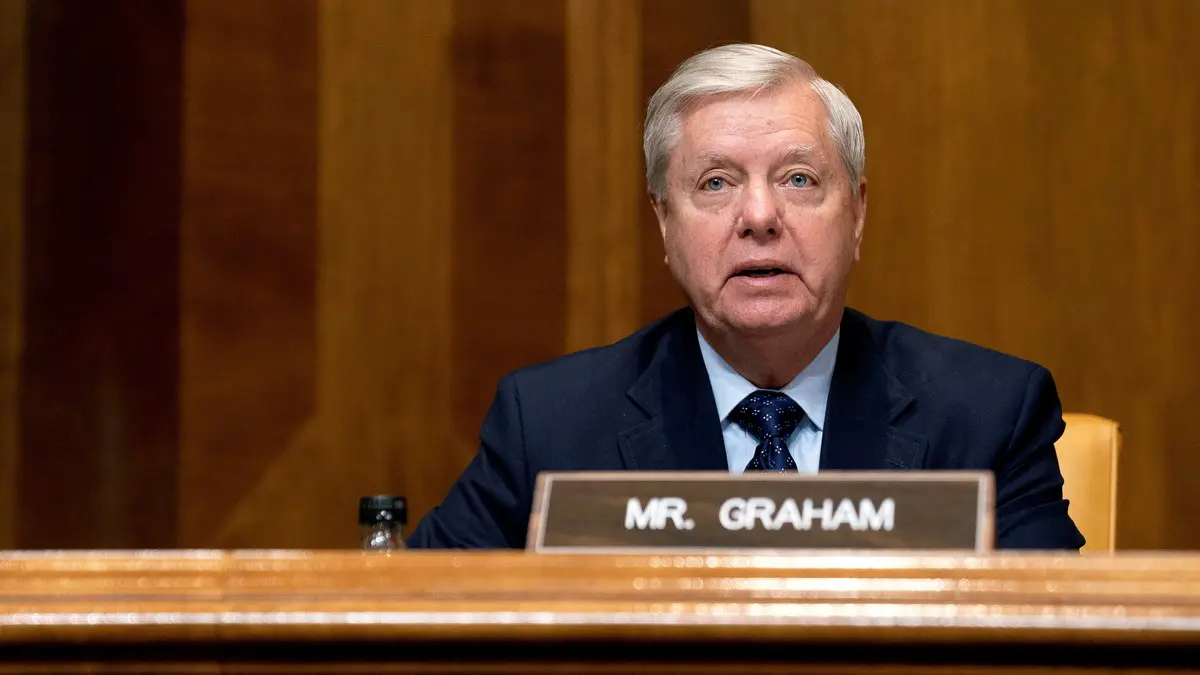
US Senator Lindsey Graham has publicly questioned Pakistan’s credibility as a potential mediator between Washington and Tehran, citing Islamabad’s refusal to sign the Abraham Accords as evidence of its conflicting regional interests, according to reports.
Graham’s statement reflects deepening scepticism within the US Congress about Pakistan’s diplomatic positioning in the Middle East. The Abraham Accords, a normalisation framework between Israel and Arab nations, represent a cornerstone of current US Middle Eastern strategy. Pakistan’s non-participation signals its alignment with different geopolitical priorities in the region.
Pakistan has historically positioned itself as a bridge between major powers, most notably during the Cold War and in facilitating the Soviet withdrawal from Afghanistan. However, its relationship with Iran remains complex, shaped by shared border concerns, Shia-Sunni dynamics, and competing proxies in Afghanistan and Iraq.
For India, Pakistan’s diplomatic isolation on this issue carries strategic significance. New Delhi has maintained careful calibration in its Iran policy, balancing energy security needs with US sanctions pressure and broader Indo-Pacific alignment. India’s 2016 decision to reduce Iranian crude imports while maintaining port operations at Chabahar reflected this pragmatic approach.

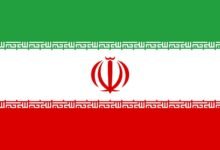
The US escalation with Iran directly impacts Indian defence planning. New Delhi monitors Gulf stability closely given its substantial maritime trade routes and naval presence through the Indian Navy’s Eastern Fleet operations in the Arabian Sea. Any military confrontation would necessitate heightened naval deployments and coordination with regional partners.
Graham’s scepticism also underscores the Trump administration’s transactional approach to regional diplomacy, where alignment with US strategic priorities has become a prerequisite for diplomatic relevance. Pakistan’s inability to satisfy both Washington and Tehran simultaneously reflects the limitations of traditional non-aligned positioning in the current bipolar strategic environment.
For Indian defence strategists, the statement reinforces the value of India’s direct bilateral engagement with both the US and Iran, avoiding dependence on intermediaries with conflicting loyalties. India’s membership in the US-led Quad, combined with its independent Iran energy strategy, positions New Delhi as a more reliable partner for Washington in the Indian Ocean region.




Facebook Comments