
India’s Defence Production Surges to Rs 1.78 Lakh Crore in FY26; Private Sector Expands
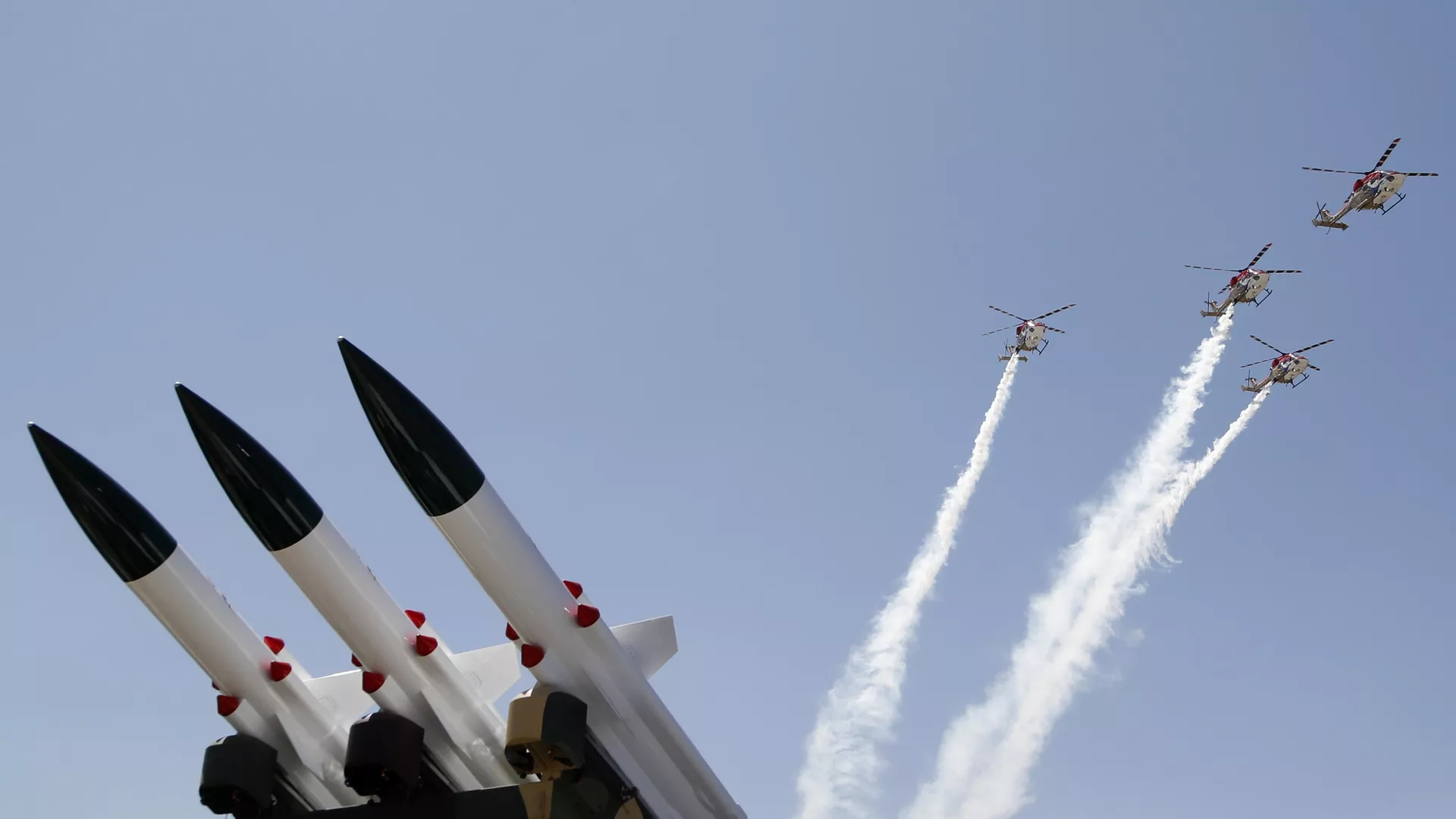
India’s defence production output reached Rs 1.78 lakh crore in the financial year 2025-26, marking a significant expansion in the country’s defence manufacturing base as the private sector’s contribution continues to grow, according to official data.
The figure reflects sustained momentum in India’s push toward defence self-reliance under the Atmanirbhar Bharat initiative. This production milestone encompasses platforms, weapon systems, ammunition, and components sourced from both state-owned Ordnance Factory Board (OFB) units and an expanding network of private defence manufacturers approved under India’s strategic partnership model.
The rise in private sector participation underscores a deliberate shift in procurement and manufacturing policy. Since 2020, India has progressively opened restricted categories to private defence companies, incentivising production of small arms ammunition, missile components, naval systems, and aerospace platforms. This has widened India’s industrial base beyond the traditional OFB and DRDO ecosystem.
India’s defence spending in FY26 stands at approximately Rs 6.21 lakh crore, including capital and revenue allocations across the three services. Against this budget, domestic production now contributes an increasingly substantial share, reducing the country’s reliance on imports for critical defence items and addressing long-standing shortfalls in ammunition, spares, and consumables.


The expansion gains tactical relevance amid sustained border tensions and India’s multi-front security posture. Enhanced domestic production capacity shortens supply chains, accelerates platform induction timelines, and provides industrial resilience during prolonged operations or global supply disruptions. It also generates employment across tier-one and tier-two manufacturing clusters in states like Tamil Nadu, Maharashtra, Telangana, and Gujarat.
Private defence firms including Bharat Dynamics Limited, Larsen and Toubro’s defence division, Tata Advanced Systems, and smaller niche players have scaled output in guided munitions, naval combat management systems, aircraft structures, and ground-based air defence components. The integration of these manufacturers into India’s defence supply chain has reduced unit costs and fostered competition that improves quality benchmarking.
DRDO laboratories and ordnance factories remain the backbone of cutting-edge development, from long-range cruise missiles to advanced radar systems. However, serial production of validated designs increasingly flows through private contractors, freeing DRDO resources for next-generation research and freeing OFB capacity for modernisation of manufacturing facilities.
The Rs 1.78 lakh crore production output signals India’s transition from import-dependent procurement toward a mixed model where indigenous design, development, and manufacturing converge. Sustaining this momentum will require continued investment in tooling, skilled workforce development, and integration of advanced manufacturing technologies across the supply chain.




Facebook Comments