
Indian Army to operationalise first Integrated Battle Groups next month
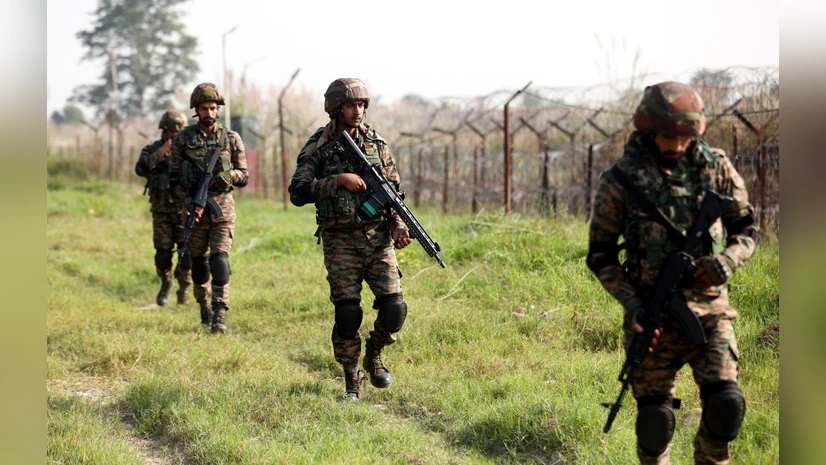
The Indian Army is set to establish and operationalise its first Integrated Battle Groups next month, marking a significant shift in the force’s organisational structure and operational doctrine, according to reports.
Integrated Battle Groups represent a departure from the traditional division and brigade-centric command structure. These groups are designed as self-contained, multidisciplinary formations combining infantry, armoured units, artillery, air defence, engineers, and support elements under a unified command.
The concept emerged from India’s response to evolving security challenges, particularly along the northern borders where terrain and threat profiles demand rapid, flexible deployment. Unlike conventionally organised brigades, IBGs are meant to operate with greater autonomy and integrated firepower, reducing operational lag and improving coordination across combat arms.
Each IBG is structured to function as an independent operational unit capable of sustained combat operations without higher command intervention for routine tactical decisions. The force composition varies based on the operational area and mission profile, with each group typically organised around a brigade-sized core augmented with reconnaissance, electronic warfare, and rapid-reaction elements.

The operationalisation of IBGs reflects recommendations from recent military modernisation reviews and doctrine reviews initiated following the 2019 Balakot strikes and the 2020 eastern Ladakh standoff. The Army has conducted multiple field trials and exercises to refine the structure, command protocols, and inter-unit coordination procedures before formal induction.
Training modules for IBG personnel have been developed at Army institutions including the Infantry School at Mhow and specialised warfare centres. The rollout is expected to proceed in phases, with initial focus on units stationed in strategically sensitive sectors before wider implementation across the force.
The establishment of IBGs also aligns with India’s broader defence modernisation agenda, emphasising indigenous innovation in military organisation rather than wholesale adoption of foreign force structures. The Army has customised the IBG model to suit Indian terrain, threat perceptions, and logistical capabilities.
Senior military officials have emphasised that IBGs do not constitute a radical overhaul of the force but rather a structural refinement to improve agility and combat effectiveness in contemporary conflict scenarios. The groups retain integration with divisional and corps-level command chains while operating with greater tactical flexibility at their own level.


Facebook Comments