
Hormuz Energy Crisis Could Reshape Global Markets as IEA Highlights India’s Clean Energy Progress
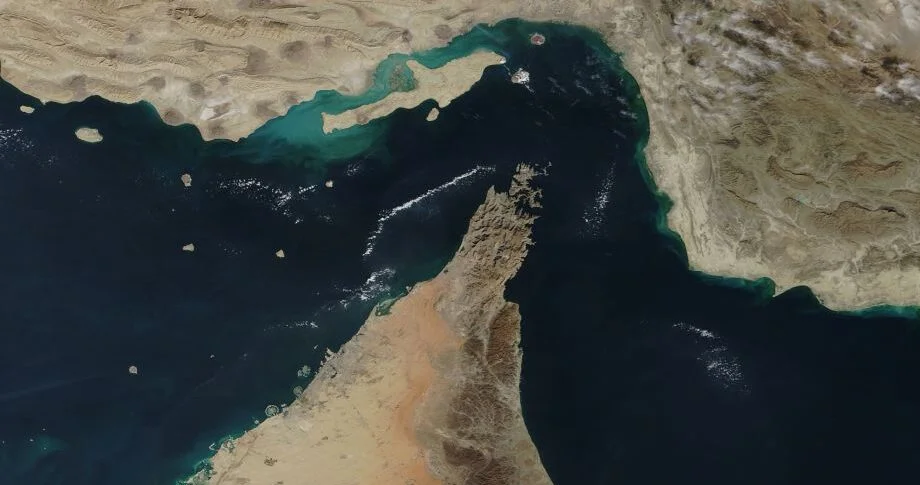
The International Energy Agency (IEA) has warned that the ongoing disruption to energy shipments through the Strait of Hormuz could have long-lasting consequences for global energy markets. In its latest World Energy Outlook 2026, released on November 19, the agency highlighted how the crisis could accelerate changes in energy policies, international trade routes and investment priorities. The report also recognised India’s progress in expanding renewable energy and strengthening its domestic energy capabilities.
The Strait of Hormuz is one of the world’s most important energy transportation routes, connecting the Persian Gulf with international shipping markets. Before the current crisis, approximately 20 million barrels of oil per day passed through the strategic waterway. The disruption has created significant pressure on global oil and gas supplies, particularly for Asian economies that depend heavily on energy imports from the Gulf region.
According to the IEA, the longer the disruption continues, the greater its impact on energy prices, supply chains and economic activity is likely to become. IEA Executive Director Fatih Birol described the situation as a major shock to the global energy system, warning that there may be no realistic return to the energy market conditions that existed before the crisis.
The agency’s outlook suggests that prolonged shipping risks could encourage countries to develop alternative energy transportation routes, expand pipeline infrastructure and reduce their dependence on imported fossil fuels. Under an extreme scenario involving sustained disruption, oil flows through the Strait could decline from approximately 20 million barrels per day before the crisis to 8.5 million barrels by 2030 and below 2 million barrels by 2035. These figures represent a scenario rather than a confirmed prediction.


The report identifies renewable energy, particularly solar photovoltaic power, and nuclear energy as major beneficiaries of the growing emphasis on domestic energy resources. Governments are increasingly looking at energy diversification, electrification and improved efficiency as ways to protect their economies against geopolitical uncertainty and supply disruptions.
India has emerged as an important example of this changing energy landscape. The IEA highlighted the country’s rapid expansion of renewable energy and electrification as important developments supporting its ambition to achieve energy independence by 2047. India has also reached its target of obtaining 50 per cent of its installed electricity capacity from non-fossil-fuel sources in 2025, five years ahead of its original 2030 timeline.
The agency expects India’s energy investment requirements to increase significantly over the coming decade. Its outlook indicates that annual investment could average around $200 billion, reflecting the growing need for renewable power generation, electricity infrastructure, nuclear energy and other technologies.
The IEA also examined a more ambitious pathway in which India could reduce its oil requirements by approximately 580,000 barrels per day by 2035 compared with its Stated Policies Scenario. Faster electric vehicle adoption, industrial electrification and improvements in energy efficiency could contribute to this reduction.
However, the report also highlights important challenges. Countries may increase their use of domestic fossil fuels to address immediate supply concerns, potentially creating tensions between energy security and climate objectives.
Overall, the IEA’s assessment indicates that the Strait of Hormuz crisis could become a turning point for international energy strategies. For India, continued investment in renewable energy, domestic infrastructure and advanced technologies could play an important role in reducing external vulnerabilities and building a more secure and resilient energy system.



Facebook Comments