
Airbus A400M Drops Out of India’s Medium Transport Aircraft Programme
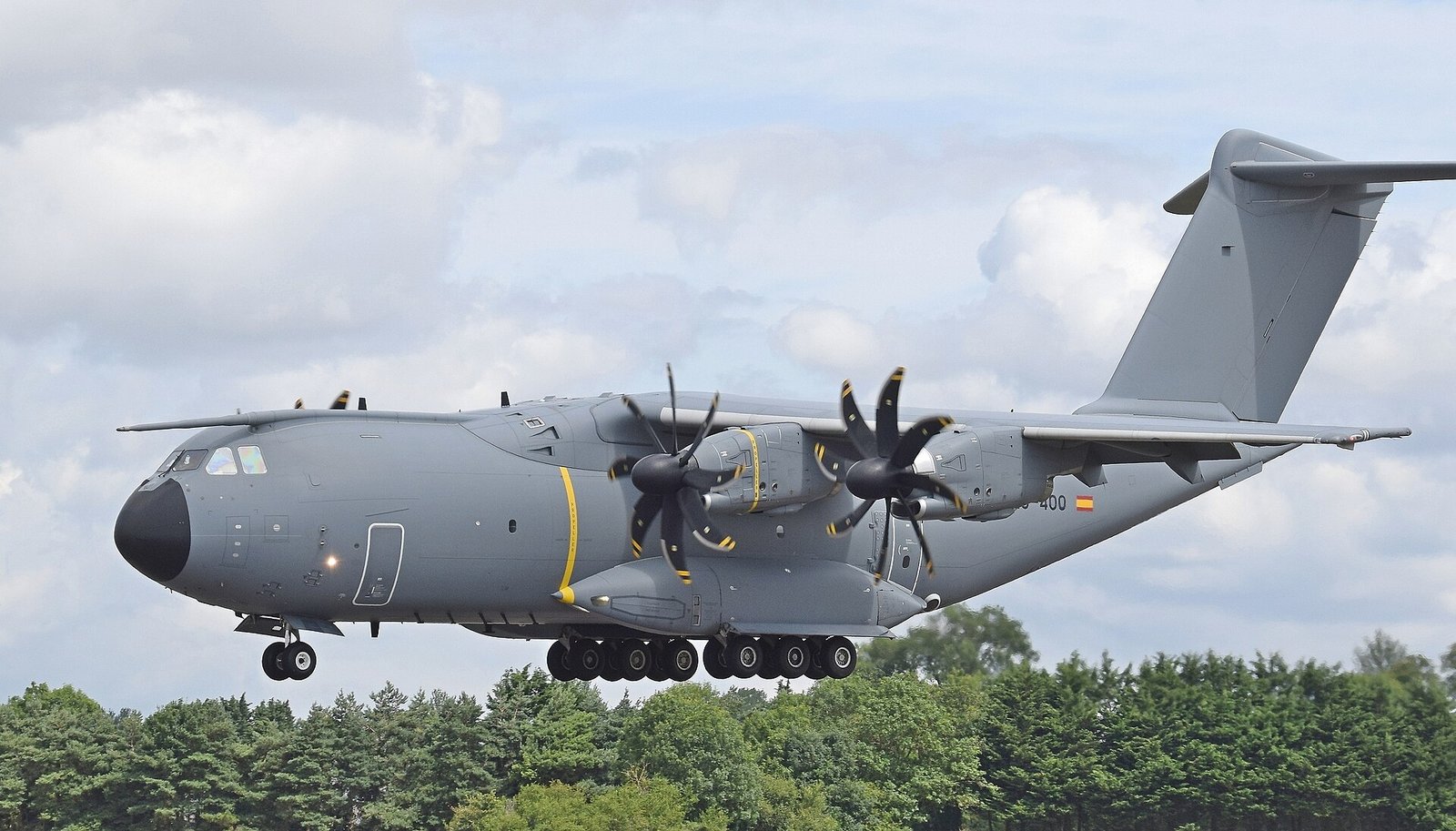
The Indian Air Force’s effort to acquire a new generation of medium transport aircraft has taken a significant turn with the reported exit of Airbus’ A400M Atlas from the competition. The development comes as India moves ahead with a major programme to modernise its military airlift fleet and gradually replace the ageing Antonov An-32 aircraft.
India’s Medium Transport Aircraft (MTA) programme envisages the acquisition of 60 aircraft. The requirement is centred on an aircraft capable of carrying between 18 and 30 tonnes of payload, placing emphasis on a medium-lift platform that can complement the IAF’s existing tactical and strategic transport fleet.
The A400M is a highly capable military transport aircraft, but its maximum payload capability of around 37 tonnes places it above the upper limit of India’s stated requirement. While the additional capacity provides greater flexibility, it can also result in higher acquisition, infrastructure, operating and lifecycle costs. Recent reports have identified these considerations, along with the aircraft’s engine history, as factors surrounding its reported withdrawal.
The requirement for a new medium transport aircraft is particularly important because the An-32 has been a major component of India’s tactical airlift capability for more than four decades. The Soviet-origin aircraft has supported logistics and troop movement missions across challenging regions, including India’s high-altitude and remote areas. Earlier reporting on the MTA programme identified the replacement of the An-32 fleet as a central objective of the procurement effort.


With the A400M reportedly out of contention, the competition is expected to focus more heavily on aircraft that fall within India’s specified payload category. The Embraer C-390 Millennium has a payload capability of around 26 tonnes, while the Lockheed Martin C-130J Super Hercules is a smaller platform with a payload capability of roughly 19 tonnes. Both aircraft had been identified among the leading contenders for the MTA programme.
The C-130J also has an operational advantage in India because the IAF already operates the aircraft. This provides existing experience in areas such as crew training, maintenance and logistics. The C-390, meanwhile, offers a higher payload capability while remaining within the broad requirement established for the new medium transport fleet.
The MTA programme is also significant from an industrial perspective. India is seeking greater domestic participation in major defence acquisitions, and the transport aircraft project is expected to involve local manufacturing alongside aircraft delivered directly from the original manufacturer. Earlier programme details indicated a plan for 12 aircraft to be supplied in fly-away condition, with the remaining 48 manufactured in India.
For the IAF, the new aircraft will be expected to provide a balance between payload, range, operational flexibility and cost. It will need to support missions ranging from troop and equipment transportation to logistics operations in areas where rapid air mobility is essential.
The A400M’s reported withdrawal does not change the broader objective of the MTA programme. Instead, it narrows the field and puts greater attention on aircraft that can meet India’s specified payload requirement without introducing unnecessary additional capacity and associated costs.
The final choice will depend on the technical evaluation, commercial proposals, industrial commitments and subsequent procurement process. The selected aircraft is expected to become a key element of the IAF’s future transport fleet as India works to modernise its airlift capabilities and expand domestic defence aerospace production.




Facebook Comments