
BrahMos Aerospace Pitches Supersonic Missile System to UAE as India Expands Defence Exports
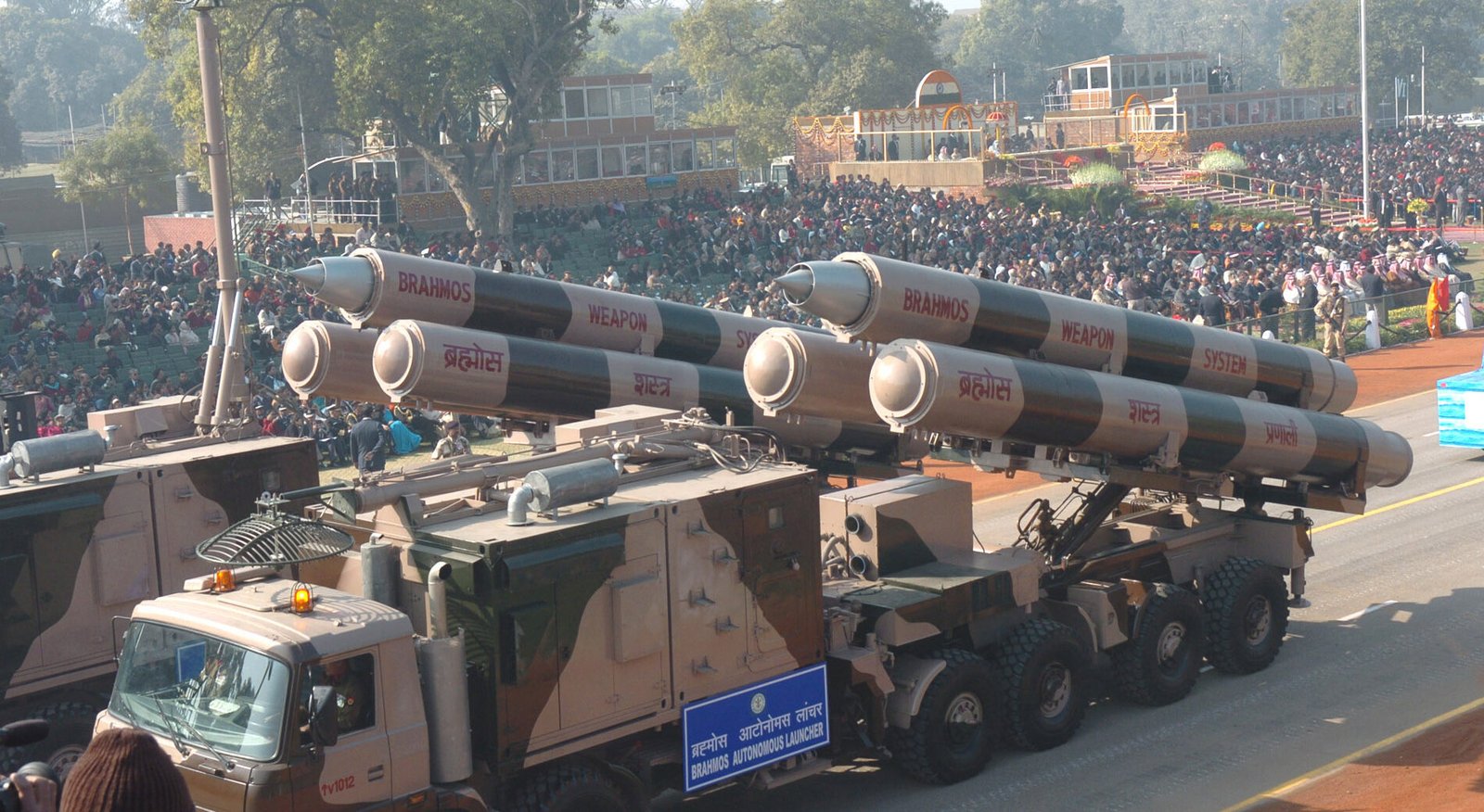
BrahMos Aerospace has stepped up its engagement with the United Arab Emirates by presenting its missile systems to Emirati authorities and submitting a detailed proposal for the possible acquisition of the BrahMos supersonic cruise missile.
The development is significant for India’s growing defence-export ambitions. The UAE is an important defence market in the Gulf, and a successful BrahMos agreement would give India a stronger position in a region where major international weapons manufacturers compete for long-term contracts.
The proposal is currently under consideration and should not be viewed as a completed sale. Any procurement would depend on further discussions, technical assessment and the necessary approvals from both sides.
For the UAE, BrahMos would bring a high-speed precision-strike capability that could complement its existing inventory. The missile is designed to operate against both land and maritime targets and can be deployed from different platforms, giving users greater flexibility in how the system is integrated into their defence architecture.
BrahMos has become one of the most prominent products in India’s defence-export portfolio. The missile is jointly developed by India and Russia and has already attracted international customers. The Philippines became the first overseas buyer, while India has continued pursuing additional markets for the system.
The UAE proposal also fits into the broader expansion of defence ties between New Delhi and Abu Dhabi. Both countries have been increasing cooperation across strategic and economic areas, while their defence relationship has gained greater importance amid changing security dynamics in the Gulf and wider West Asia.
A BrahMos purchase would also represent a new source of high-speed strike capability for the UAE. Rather than replacing its existing Western-origin weapons, the Indian system could potentially add another layer to the country’s overall military capabilities.
For India, the significance would extend beyond the value of an individual contract. Winning a major Gulf customer would strengthen the international profile of BrahMos and demonstrate that Indian-developed and jointly developed defence systems can compete in sophisticated overseas markets.
The export proposal does, however, involve an additional consideration because Russia remains a partner in the development of BrahMos. Russian clearance would therefore be required for an international transfer of the system.
If the UAE eventually proceeds with the acquisition, the agreement could become an important milestone in India’s defence-export journey. It would strengthen the commercial reach of BrahMos while providing another foundation for deeper India-UAE defence cooperation.
For now, the proposal marks the next stage of discussions rather than a finalised contract. The outcome will depend on how the UAE evaluates the system and how the two countries resolve the technical, commercial and regulatory aspects of a potential deal.


Facebook Comments