
Philippines Looks to India for Advanced Missiles and Space Technology as Defence Modernisation Accelerates
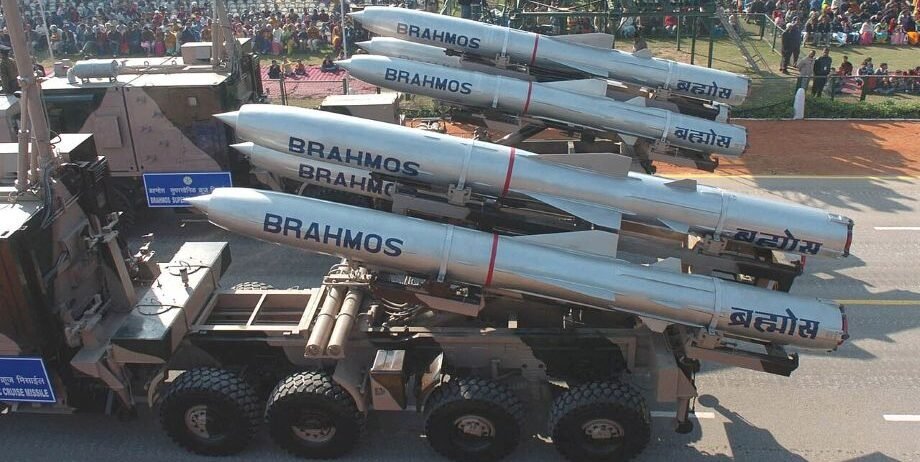
The Philippines is looking to deepen its defence partnership with India as part of its ongoing efforts to modernise its armed forces and strengthen its ability to protect its maritime territory. Alongside its interest in acquiring additional BrahMos supersonic cruise missile systems, Manila is also exploring opportunities for cooperation with New Delhi in space technology and satellite capabilities.
The latest developments were highlighted by Philippine Defence Secretary Gilberto Teodoro Jr. during the 3rd Delhi Defence Dialogue, where he participated virtually. Teodoro confirmed that the Philippines hopes to increase the number of BrahMos systems in its inventory and has already communicated its requirements to Indian authorities. The proposed improvements are intended to make the missile system better suited to the Philippines’ geographical and operational requirements.
The Philippines became the first foreign customer of India’s BrahMos missile system after signing a $375 million contract in January 2022. The agreement covered three coastal defence missile batteries, marking an important milestone in India’s defence export ambitions and its growing strategic engagement with Southeast Asian countries.
According to reports, India and the Philippines are now in advanced discussions over a possible additional purchase. The proposed acquisition could involve approximately five more systems, comprising nearly 60 missiles, with an estimated value of $700 million to $800 million. However, a final agreement has not yet been officially announced.
The BrahMos missile, jointly developed by India and Russia, is a supersonic cruise missile designed for deployment across multiple platforms, including land, sea and air. Its high speed and precision strike capabilities make it a significant component of coastal defence and maritime deterrence strategies. For the Philippines, additional systems could strengthen its ability to monitor and respond to potential security challenges across its extensive maritime territory.
Beyond missile procurement, the two countries are also examining opportunities to expand cooperation in the space sector. Teodoro indicated that the Philippine government is interested in working with India on space technology and has identified the Indian space ecosystem as a potential partner for future projects.
The Philippines is particularly interested in developing its Armed Forces Satellite Acquisition Program, following instructions from President Ferdinand Marcos Jr. Teodoro noted that India could play an important role in this initiative. Manila has also indicated that it could contribute by providing testing opportunities and technical expertise through its growing space-related capabilities.
This interest reflects the Philippines’ recognition that modern military operations increasingly depend on satellite communications, surveillance, intelligence gathering and reliable information-sharing systems. Stronger space capabilities could support maritime monitoring and improve coordination among different branches of its armed forces.
The expanding relationship comes against the backdrop of continuing tensions in the South China Sea, where overlapping territorial claims and maritime confrontations have increased security concerns for Manila. The Philippines has consequently accelerated its military modernisation efforts and is seeking reliable international partners to strengthen its external defence capabilities.
India’s growing defence manufacturing sector and experience in missile and space technologies offer opportunities for deeper cooperation. If the proposed initiatives move forward, the partnership could extend beyond conventional weapons purchases into advanced technology development and strategic cooperation.
The latest discussions therefore represent a broader effort by the Philippines to build a more capable and technologically equipped military, while creating stronger long-term defence ties with India.


Facebook Comments