
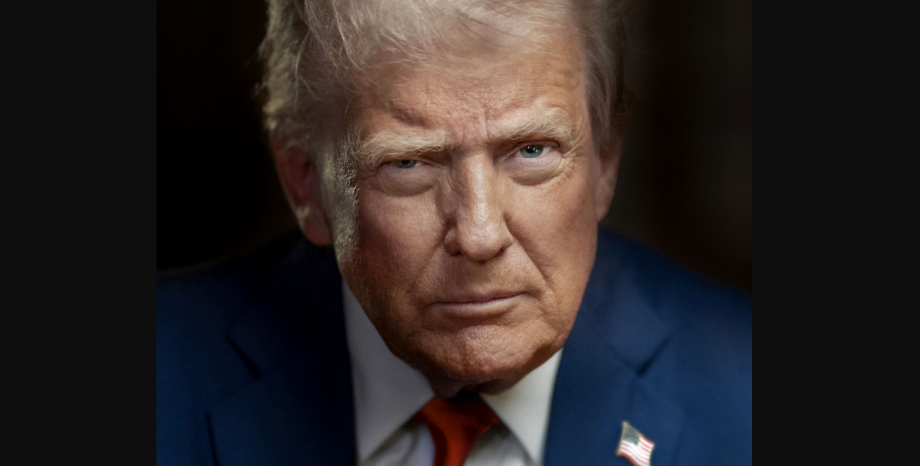
US President Donald Trump has indicated that the United States could resume military strikes against Iran after the New Year if ongoing negotiations between Washington and Tehran fail to produce an agreement. His latest remarks have raised concerns about another escalation in the Middle East, where diplomatic efforts and military tensions continue simultaneously.
In an interview with Fox News on November 22, Trump expressed dissatisfaction with Iran’s negotiating approach, suggesting that Tehran was prolonging discussions without making meaningful progress. Although indirect diplomatic contacts between the two countries are reportedly continuing, the US president indicated that he was increasingly frustrated with the lack of concrete results.
Trump criticised Iranian negotiators, describing their approach as unproductive and accusing them of repeatedly engaging in discussions without reaching an agreement. His comments suggest that Washington is keeping military action as a possible option if diplomatic efforts fail to achieve its objectives.
The warning comes amid continuing tensions in the strategically important Strait of Hormuz, a major international shipping route through which a substantial share of global oil supplies normally passes. The maritime situation has become increasingly sensitive amid reports of attacks on oil tankers and the ongoing US naval blockade of Iranian ports.
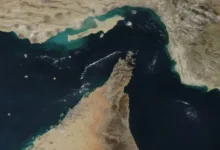

Trump also issued a strong warning regarding Iranian vessels that might attempt to challenge the blockade. He indicated that American forces would respond forcefully to any attempt to breach the restrictions, including the possibility of attacking and sinking vessels involved.
The developments have added another layer of uncertainty to an already complicated regional security situation. Any further military confrontation involving the United States and Iran could have significant implications for maritime security, international energy markets and the wider balance of power in the Middle East.
Meanwhile, Iran has maintained its position that progress towards reducing tensions depends on Washington addressing Tehran’s concerns. Iranian Foreign Minister Abbas Araghchi has previously discussed the possibility of reopening the Strait of Hormuz, arguing that the issue could be resolved if the United States accepted conditions that Iran considers reasonable and consistent with international law.
Separately, Iran’s Islamic Revolutionary Guard Corps (IRGC) has claimed that its missile and drone forces targeted two US Patriot air-defence radar installations in Bahrain, reportedly located at Al-Riffa and Awali. The organisation described the operation as a response to alleged US drone activity and an earlier attack on an Iranian radar facility on Hengam Island. These claims have not been independently verified.
The combination of diplomatic disagreements, maritime restrictions and competing military claims highlights the fragile security environment across the Gulf region. The Strait of Hormuz remains particularly important because any prolonged disruption could affect international shipping, oil transportation and regional economic stability.
For Washington and Tehran, the coming weeks could prove decisive. While indirect negotiations have not completely ended, Trump’s warning indicates that the possibility of renewed military action remains on the table. Whether diplomatic engagement can prevent another round of confrontation will depend on the willingness of both sides to make progress towards an agreement.


Facebook Comments