
Russia deploys Oreshnik hypersonic missile again in Ukraine conflict
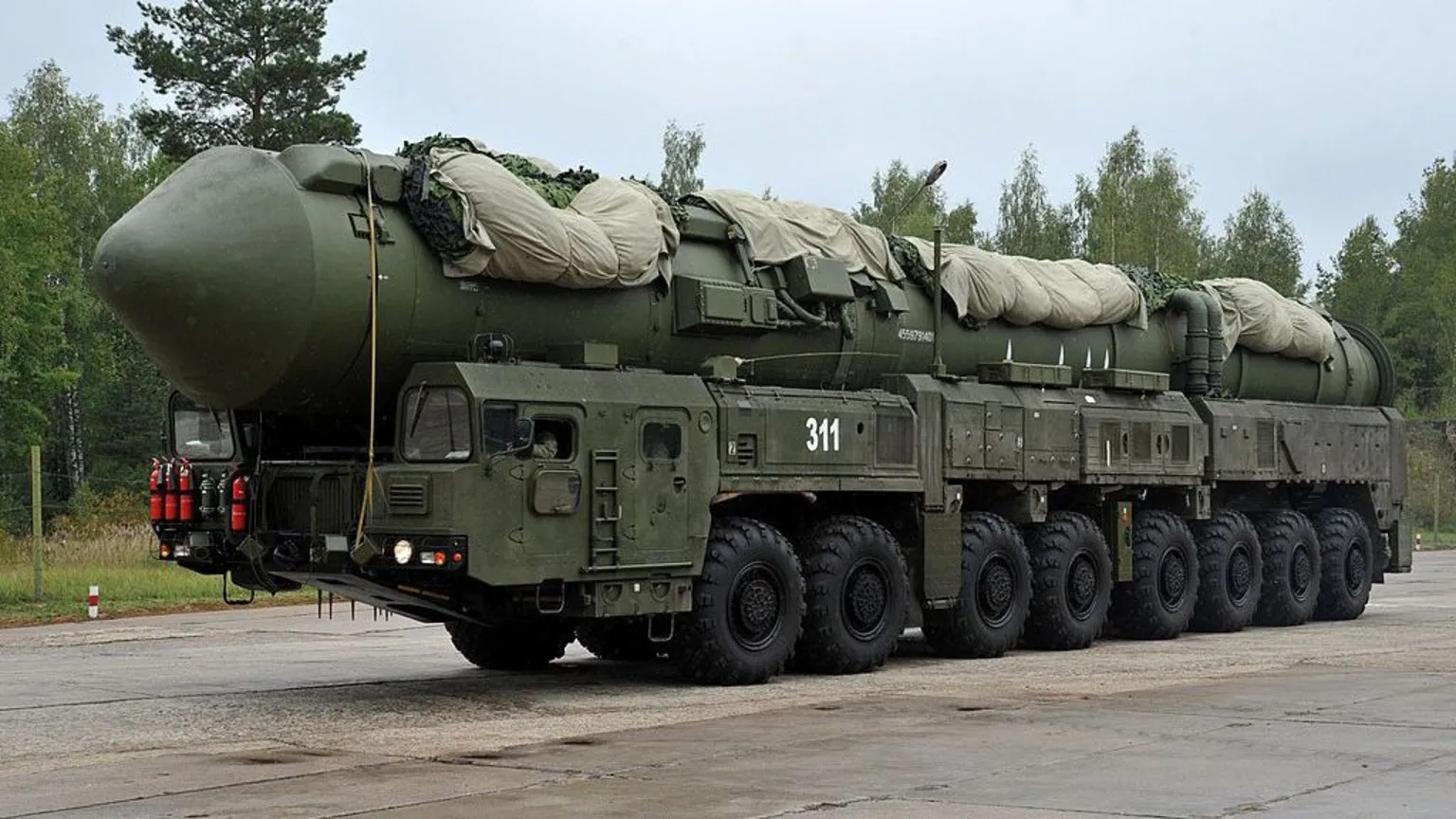
Russia has used the Oreshnik hypersonic missile again as it escalates military operations in Ukraine, according to reports. The deployment marks continued reliance on advanced strike systems in the ongoing conflict.
The Oreshnik is an air-launched hypersonic cruise missile developed by Russia’s Raduga Design Bureau. It is powered by a scramjet engine and designed to penetrate air defence systems at Mach 9 speeds, making it one of the fastest operational cruise missiles in the world.
First publicly acknowledged by Russian officials in late 2024, the Oreshnik represents Moscow’s push toward next-generation strike capabilities. The missile operates at hypersonic velocity, which significantly reduces interception windows for defending air defence networks and allows it to strike targets across contested airspace with minimal warning.
For India’s defence establishment, the recurring use of hypersonic systems in active conflict provides critical intelligence on real-world performance of such platforms. India is actively developing its own hypersonic cruise missile capability through DRDO’s BrahMos-NG and long-range hypersonic cruise missile programmes.


The BrahMos-NG, an air-breathing hypersonic cruise missile, is designed to operate at speeds exceeding Mach 8 and forms part of India’s broader modernisation of long-range strike systems. The programme builds on the success of the BrahMos supersonic cruise missile, which has been operational with the Indian Air Force and Navy since the early 2000s.
Russian operational employment of hypersonic systems in Ukraine demonstrates the tactical and strategic value militaries place on these platforms. The speed advantage, combined with manoeuvrability, makes traditional layered air defence networks significantly less effective than against supersonic or subsonic threats.
India’s defence planners are closely monitoring such deployments as part of ongoing assessments of emerging threats in the Indo-Pacific region. The lessons from Ukraine inform doctrinal development and capability planning across the Indian Air Force, Navy, and Army.
India’s hypersonic missile programmes align with the government’s broader Make in India and Atmanirbhar Bharat initiative in defence. Private sector participation, particularly through partnerships between DRDO and companies like Bharat Dynamics Limited, has accelerated development timelines and capability maturation.
The proliferation of hypersonic systems among major powers underscores the critical need for India to accelerate induction of its own hypersonic platforms into operational service. Current testing schedules suggest BrahMos-NG could enter service within the next two to three years, enhancing India’s deterrent posture.




Facebook Comments