
Iran Signals Defiance Against US Naval Blockade, Warns Over Strait of Hormuz
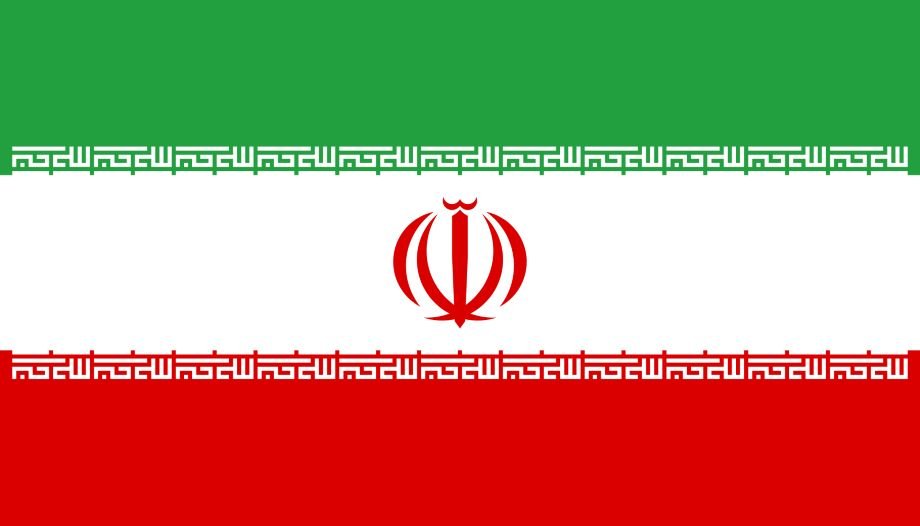
Iran has intensified its rhetoric against the United States, warning that it will not accept restrictions imposed through Washington’s naval blockade. Iranian parliamentarian Esmaeil Kowsari has asserted that Tehran possesses the military strength to counter American pressure while maintaining control over the strategically significant Strait of Hormuz.
Kowsari, who serves on the Iranian Parliament’s National Security and Foreign Policy Commission, said Iran was prepared to defend its maritime interests and prevent hostile forces from using the waterway against the country. Referring to Tehran’s long-term preparations, he stated that Iran had been working towards establishing control over the Strait of Hormuz since 1987.
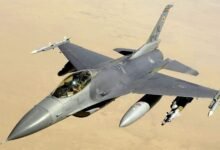
According to the Iranian lawmaker, the country’s growing defence capabilities have made it increasingly difficult for foreign military forces to operate freely in the region. He particularly highlighted Iran’s missile and drone capabilities, arguing that these systems have strengthened its ability to respond to potential threats and altered the strategic calculations of the United States.
Kowsari also delivered a warning to countries in the Middle East that might assist American military operations. He said governments allowing their territories, military installations or other facilities to be used for attacks against Iran would be held responsible for the consequences. European countries were also cautioned against permitting their airspace to support military operations targeting Iranian territory.
While adopting a firm position against Washington, Kowsari said Iran was not seeking to start a war or extend the conflict unnecessarily. He maintained that Tehran’s priority was protecting national sovereignty, securing its regional interests and ensuring accountability for those responsible for attacks against the country. He also called for foreign military forces to leave the region.
The remarks come as diplomatic and military tensions between Iran and the United States continue. US President Donald Trump has expressed confidence in Washington’s position, suggesting that the United States is approaching its objectives in the confrontation. However, he has also indicated that an agreement with Tehran remains possible.
Speaking to US military personnel during a Thanksgiving call from his Mar-a-Lago residence in Florida, Trump said the timing of a potential victory would depend on his decision. He also suggested that Washington was prepared to pursue an agreement that could prevent additional casualties, although he questioned whether Iranian leadership would accept such an arrangement.
On the diplomatic front, Iranian Foreign Minister Seyed Abbas Araghchi said Tehran was concentrating on improving its ability to withstand external pressure while maintaining the supply of essential goods and the movement of commercial trade. He confirmed that communication through regional intermediaries was continuing, with Qatar and Pakistan helping convey proposals between the concerned sides.
Araghchi also accused Israel of encouraging another confrontation and attempting to involve Washington in renewed military action against Iran. Nevertheless, he maintained that Tehran was willing to keep diplomatic channels open while remaining prepared to defend the country against aggression.
The Strait of Hormuz has become a particularly sensitive issue because of its importance to global maritime commerce and energy transportation. The passage connects the Persian Gulf with the Gulf of Oman and provides a critical route for international oil shipments. Any restrictions or military confrontation in the area could affect shipping operations, energy markets and economic stability across multiple regions.
With Tehran maintaining its hard-line position and Washington continuing pressure on Iran, the security situation around the Strait of Hormuz remains a significant international concern. Whether diplomatic mediation can prevent further escalation will depend on the willingness of both sides to pursue negotiations alongside their competing security demands.




Facebook Comments