
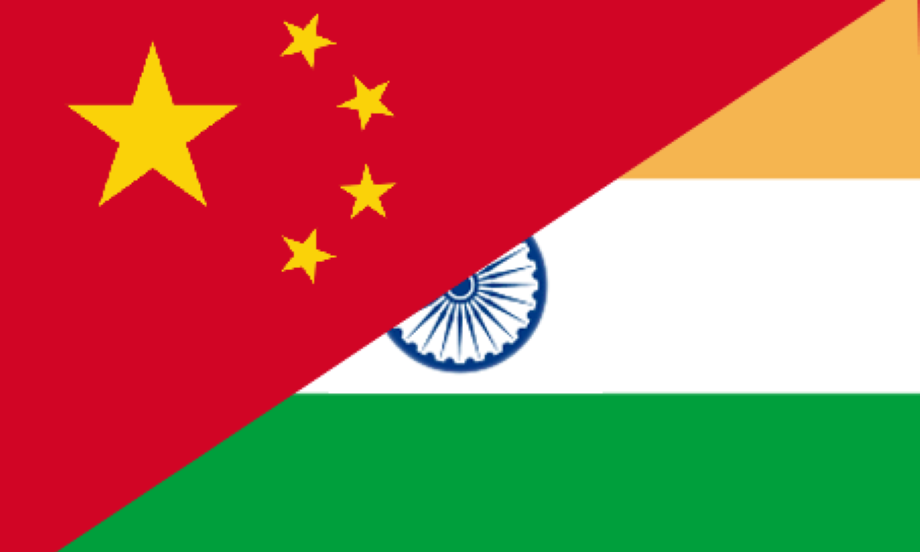
India and China have taken another step towards managing tensions along their disputed Himalayan frontier by completing the second round of Corps Commander-level military discussions in the eastern sector. The latest engagement focused on improving coordination between ground forces, reducing the possibility of unexpected confrontations and maintaining stability along the Line of Actual Control (LAC) in Arunachal Pradesh.
The discussions reportedly commenced on November 8, shortly after Diwali, and continued for approximately 10 days, with a short break during the engagement. The Indian delegation was headed by Lieutenant General Girish Kalia, General Officer Commanding of the Indian Army’s III Corps, widely known as the Spear Corps. Representatives from the Chinese military also participated, while an Indian Ministry of External Affairs official was present as part of the discussions.
A major focus of the meeting was the need for stronger communication arrangements between Indian and Chinese troops operating near sensitive border areas. Both sides discussed ways to prevent misunderstandings during patrol activities, improve coordination and establish clearer procedures for handling situations that could otherwise lead to military friction.
The latest meeting follows the first round of Corps Commander-level discussions conducted on September 6 and 7, 2026, at the Wacha-Damai Border Personnel Meeting point in the Kibithoo sector of Arunachal Pradesh. The earlier engagement came against the backdrop of reported tensions in the Taksing area of Upper Subansiri district, where differences between the two sides over patrol movements had raised concerns.
Arunachal Pradesh remains an important part of the India-China boundary dispute because the two countries maintain different positions regarding the alignment of the LAC. These differing territorial perceptions have occasionally resulted in disagreements between military patrols and increased security concerns along the eastern frontier.
The situation becomes particularly challenging during the winter months. The region’s mountainous terrain, freezing temperatures and heavy snowfall can affect troop movement, supply routes and communication facilities. Consequently, maintaining reliable contact between military commanders is essential to preventing local incidents from developing into wider confrontations.
Alongside military engagement, India and China have also continued diplomatic discussions to address their longstanding boundary differences. In August 2026, National Security Adviser Ajit Doval met Chinese Foreign Minister Wang Yi in Beijing in their respective roles as Special Representatives for boundary negotiations. Their engagement formed part of the broader diplomatic process aimed at managing the border question and improving bilateral communication.
The completion of the second round of military discussions indicates that both countries are continuing to use established communication channels to manage sensitive developments along the frontier. Regular commander-level interactions can help address operational concerns, reduce uncertainty and support efforts to maintain peace in disputed areas.
Nevertheless, the latest discussions should not be interpreted as a resolution of the India-China boundary dispute. The territorial disagreement remains unresolved, and further diplomatic and military engagement will be necessary to ensure that tensions do not escalate.
As winter approaches, the effectiveness of communication mechanisms and the implementation of mutually discussed arrangements will remain important factors in maintaining stability along the Arunachal Pradesh frontier.
Facebook Comments