
India’s Nuclear Warhead Deployment Signals Strategic Shift in Readiness Posture
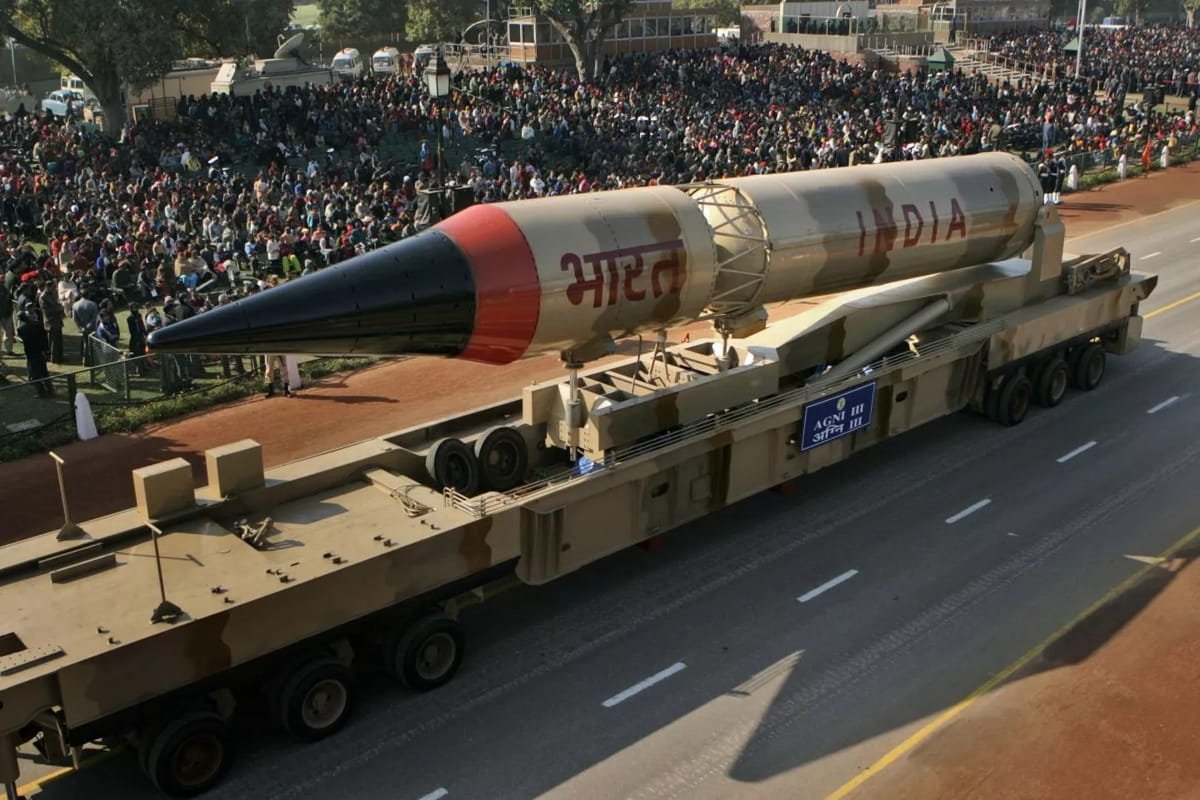
India has deployed 12 nuclear warheads, according to a report by The Federal, marking what observers describe as a notable shift in the nation’s nuclear readiness posture. The deployment underscores India’s evolving approach to nuclear command and control in response to shifting regional security dynamics.
India’s nuclear arsenal, built over three decades since the 1998 Pokhran tests, operates under a doctrine of credible minimum deterrence. The nation maintains a triad delivery capability across air, sea, and land platforms, including the Agni family of ballistic missiles, the Brahmos cruise missile, and submarine-launched ballistic missiles aboard the INS Arihant-class submarines.
The Agni series, developed by the Defence Research and Development Organisation (DRDO), forms the backbone of India’s strategic deterrent. The Agni-V, with a range exceeding 5,000 km, can carry multiple warheads and reach targets across Eurasia. Earlier variants, including the Agni-IV and Agni-III, provide medium and intermediate-range coverage. Each advancement in the Agni programme has incrementally expanded India’s reach and survivability.
India’s nuclear command structure operates through the Nuclear Command Authority, chaired by the Prime Minister, which oversees both civilian and military nuclear operations. The country follows a “No First Use” policy, maintaining that nuclear weapons exist solely for deterrence against existential threats.


Regional tensions, particularly along the northern and western borders, have driven continuous refinement of India’s nuclear posture. Pakistan’s tactical nuclear weapons programme and China’s expanding arsenal have influenced India’s strategic calculations. The deployment reflects India’s assessment that visible credibility of its deterrent force remains essential to regional stability.
India has consistently emphasized that its nuclear programme is entirely defensive and transparent in intent. India is a signatory to the Comprehensive Nuclear Test Ban Treaty and has maintained a voluntary moratorium on nuclear testing since 1998. The nation remains committed to global non-proliferation frameworks while asserting its right to maintain a credible minimum deterrent tailored to its security environment.
The move also reflects India’s broader military modernization under “Make in India” initiatives. Warhead design, fabrication, and deployment protocols are managed by India’s Defence Research and Development Organisation and the Bhabha Atomic Research Centre, ensuring full indigenous control over the nuclear arsenal’s security and operational readiness.



Facebook Comments