
India Moves Towards Private Sector Manufacturing of ASTRA Mk-2 and Pralay Missiles
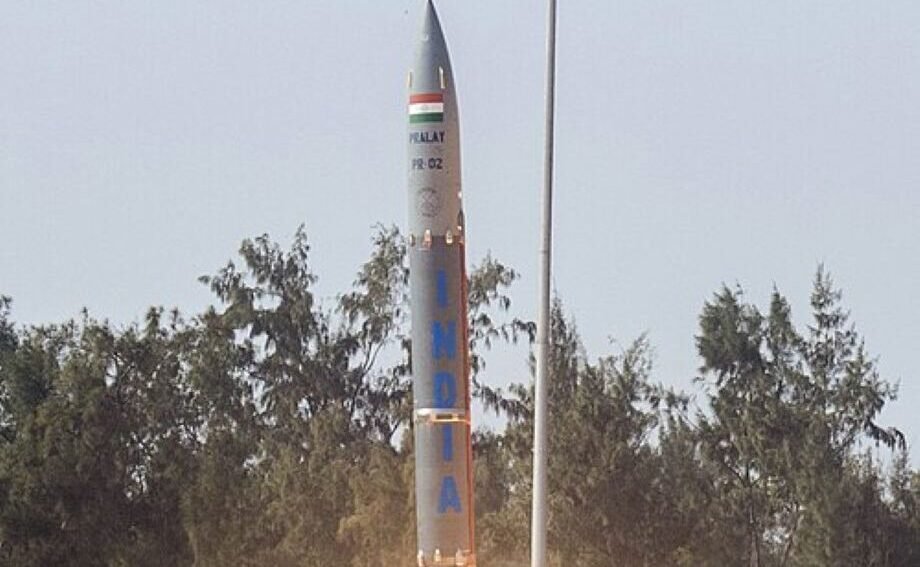
India is preparing to expand private-sector participation in the manufacturing of advanced missile systems, with the ASTRA Mk-2 air-to-air missile and Pralay tactical ballistic missile emerging as key programmes in this transition. The initiative is part of the government’s broader effort to increase domestic defence production, improve supply capacity and reduce dependence on foreign defence suppliers.
The development follows Defence Minister Rajnath Singh’s approval on August 25, 2026, for the transfer of Defence Research and Development Organisation (DRDO)-developed technologies for all conventional missile systems to the Indian defence industry. The Ministry of Defence stated that eligible domestic companies would be able to undertake indigenous production, subject to the required qualifications, certifications and regulatory approvals.
The proposed expansion could bring major private defence manufacturers into the production ecosystem alongside established public-sector companies. According to media reports, companies such as Adani Defence, ICOMM, Bharat Forge, Tata Group and Mahindra Group could be among the potential contenders for ASTRA Mk-2 manufacturing opportunities. However, the final selection of production partners and specific contract awards have not been officially confirmed.
The ASTRA Mk-2 is an advanced beyond-visual-range air-to-air missile developed by DRDO to engage hostile aircraft at long distances. Its anticipated operational range is approximately 180–200 kilometres, making it an important addition to India’s future air combat capabilities. The missile is intended to strengthen the ability of Indian fighter aircraft to engage aerial threats beyond the pilot’s visual range.


The programme is particularly significant for India’s expanding fighter aircraft fleet. ASTRA missile variants are associated with integration plans for platforms including the Su-30MKI, Tejas and MiG-29, while further platform-specific integration requirements will depend on the respective development and certification processes. Increasing production capacity would help support the Indian Air Force’s future requirements and potential export opportunities.
Alongside ASTRA Mk-2, the Pralay missile programme is also expected to benefit from greater industrial participation. Developed by DRDO, Pralay is a conventional quasi-ballistic surface-to-surface missile designed for precision strikes against ground targets. With a reported range of approximately 150–500 kilometres, the system is intended to provide the Indian Armed Forces with an additional tactical strike capability.
The inclusion of private manufacturers could help expand the industrial base supporting these weapons, particularly in areas such as missile components, propulsion systems, electronics, precision engineering and final assembly. It could also create opportunities for Indian micro, small and medium enterprises (MSMEs) to participate in specialised defence manufacturing and supply chains.
Bharat Dynamics Limited (BDL), one of India’s principal missile production companies, has traditionally played a major role in manufacturing DRDO-developed missile systems. Greater participation from private industry is expected to complement existing production capabilities and create a broader manufacturing network capable of supporting increasing domestic requirements.
The move also reflects India’s changing approach to defence procurement and industrial development. Rather than depending primarily on a limited number of government-owned production agencies, the government is seeking to encourage competition, technology transfer and wider participation from qualified domestic manufacturers.
The Ministry of Defence has identified stronger manufacturing capabilities, increased domestic value addition, reduced import dependence and improved operational readiness as major objectives of the technology-transfer initiative. The policy is also expected to support India’s ambition of becoming a more competitive defence exporter.
For India, expanding the production ecosystem around ASTRA Mk-2 and Pralay represents an important opportunity to connect indigenous missile development with large-scale industrial manufacturing. While the final arrangements for individual programmes remain subject to further official announcements, the broader policy direction signals a significant opening for private companies in India’s conventional missile manufacturing sector.


Facebook Comments