
India-China Border Talks Yield Eight-Point Consensus as New Delhi and Beijing Seek Greater Stability
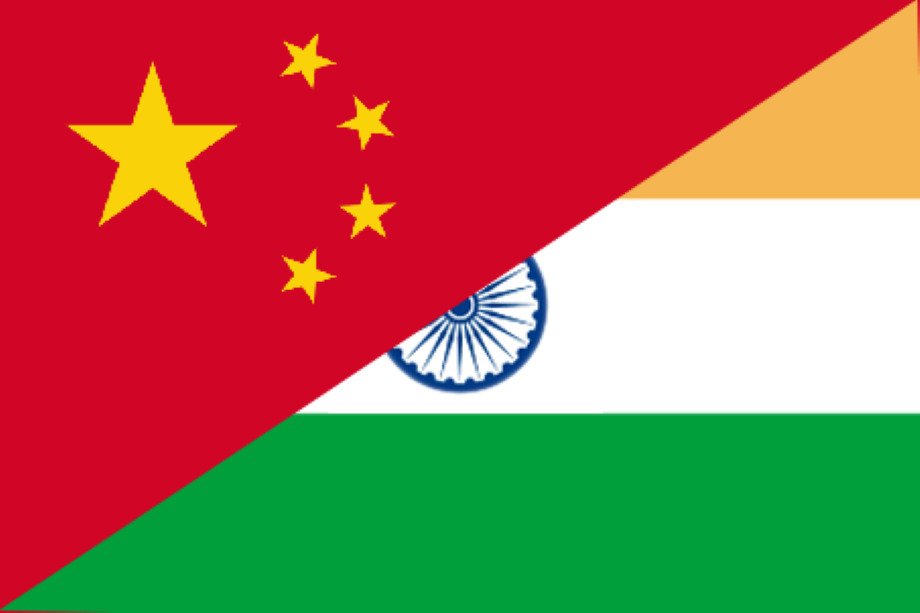
India and China have taken another step towards stabilising bilateral relations after senior officials reached an eight-point consensus during the 25th round of Special Representatives’ talks on the boundary question in Beijing.
India’s National Security Adviser Ajit Doval and Chinese Foreign Minister Wang Yi held discussions on August 25 covering the long-standing boundary dispute, border management and the wider relationship between the two countries. Both sides reaffirmed the need to maintain peace and tranquillity along the border while continuing negotiations towards a fair, reasonable and mutually acceptable settlement.
A key outcome was the decision to strengthen mechanisms dealing with the Line of Actual Control (LAC). The two countries agreed to advance work on boundary delimitation through Expert and Working Groups and pursue an “early and substantial” outcome in the process. Additional military communication arrangements were also agreed, including new meeting points and border hotlines aimed at improving coordination and preventing local incidents from escalating.
The consensus also included measures to expand practical cooperation. India and China agreed to support the Kailash Mansarovar Yatra, reopen three border trading points and continue engagement on trans-border rivers. These steps are expected to help rebuild confidence while maintaining focus on the unresolved boundary question.

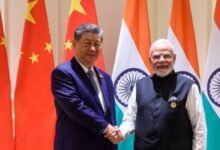
The latest developments reflect a gradual improvement in ties following years of military tension along the Himalayan frontier. However, the progress does not remove the strategic differences between New Delhi and Beijing. The boundary dispute remains unresolved, and both countries continue to strengthen infrastructure, surveillance and military capabilities along the LAC.
The talks have also gained importance ahead of the BRICS Summit scheduled to be hosted by India in September. Chinese President Xi Jinping is expected to attend the summit, although some details of his visit remain subject to confirmation.
For India, maintaining peace along the border remains closely linked to the broader normalisation of relations with China. The latest consensus therefore represents an effort to create stronger communication and institutional mechanisms while keeping negotiations on the boundary issue active.
The outcome of the Beijing talks suggests that New Delhi and Beijing are seeking to manage their differences through sustained dialogue, improved border coordination and selective cooperation. Whether this process develops into lasting strategic stability will depend on implementation of the agreements and continued progress along the LAC.




Facebook Comments