
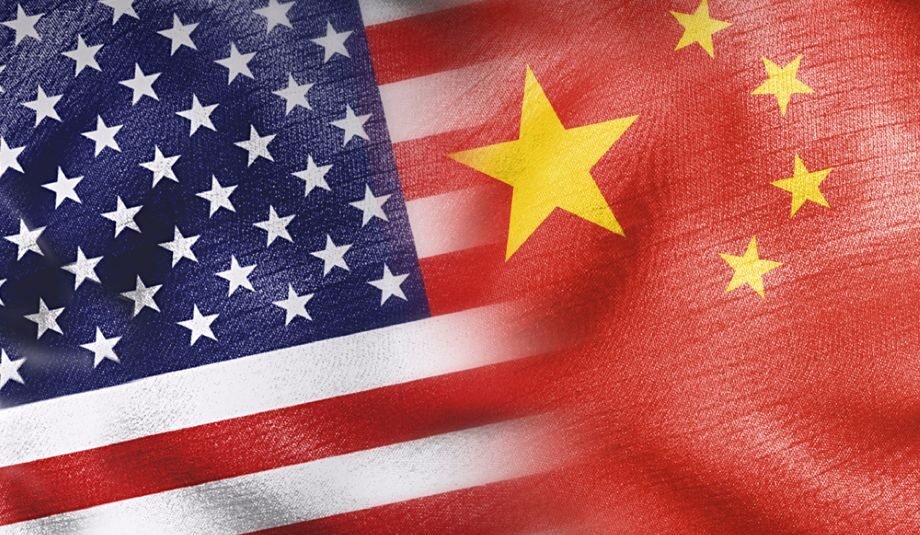
China is increasingly seeking recognition as an equal global power in its relationship with the United States, as both countries prepare for important diplomatic discussions during the upcoming Asia-Pacific Economic Cooperation (APEC) summit in Shenzhen. The expected high-level engagements come at a time of changing international power dynamics and continuing tensions over trade, technology and regional security.
US President Donald Trump is scheduled to arrive in China on November 18, 2026, for the APEC summit. During his visit, discussions are expected to involve Chinese President Xi Jinping and potentially Russian President Vladimir Putin in a three-way meeting. The proposed engagement could bring several major international issues into focus, including trade disagreements, advanced semiconductor technology, nuclear non-proliferation and regional security challenges.
For Beijing, the significance of these meetings extends beyond individual agreements. China sees direct engagement with Washington as an opportunity to demonstrate its growing international influence and establish a diplomatic relationship based on equality rather than a perceived imbalance of power.
The changing approach is reflected in China’s proposed framework for a constructive relationship of strategic stability with the United States. The framework is built around three principles: mutual respect, fairness and reciprocity. These principles were emphasised following diplomatic engagements between Xi and Trump earlier this year.

Under this approach, China expects both countries to respect each other’s sovereignty, territorial integrity, political systems and major national interests. Beijing also advocates resolving disagreements through discussions, promoting mutually beneficial cooperation and avoiding actions that could create one-sided advantages.
Analysts believe China’s position reflects its assessment that the international balance of power is becoming increasingly multipolar. The United States continues to hold significant global influence, but Beijing believes its economic, technological and strategic capabilities have strengthened its position in international affairs.
The recent US midterm election results have also become part of the wider discussion about Washington’s foreign policy direction. Ryan Hass, Director of the Brookings Institution’s John L. Thornton China Center, has highlighted the importance of public support for American foreign policy decisions. He argued that future US strategies towards China will need to consider domestic priorities and the economic costs associated with international commitments.
Technology competition is another major concern in the relationship. Advanced semiconductor exports, artificial intelligence and restrictions on technology transfers remain sensitive subjects. Miles Yu, a China policy expert at the Hudson Institute, has argued that limiting China’s access to advanced American chips could slow Beijing’s technological progress. At the same time, commercial interests and national security priorities continue to create differences within the United States.
Security issues are also expected to feature prominently in discussions. Nuclear arms control and non-proliferation remain important challenges, particularly as China expands its strategic capabilities. Carnegie Endowment senior fellow Tong Zhao has suggested that establishing regular nuclear dialogue between Washington, Beijing and Moscow could help prevent arms control discussions from becoming dependent on wider political disagreements.
China’s position on Taiwan and the South China Sea also remains central to its stated national interests. Beijing expects Washington to take its concerns into account while maintaining opportunities for economic and diplomatic cooperation.
As the APEC summit approaches, the expected engagements between the United States, China and Russia could provide an important indication of future international relations. Although major breakthroughs are not guaranteed, the discussions will test whether the world’s leading powers can manage their differences through sustained diplomatic engagement.
For Beijing, being treated as an equal participant in global decision-making remains a significant diplomatic objective. The outcome of the upcoming meetings could therefore influence not only China-US relations but also the wider geopolitical environment.
China is increasingly seeking recognition as an equal global power in its relationship with the United States, as both countries prepare for important diplomatic discussions during the upcoming Asia-Pacific Economic Cooperation (APEC) summit in Shenzhen. The expected high-level engagements come at a time of changing international power dynamics and continuing tensions over trade, technology and regional security.
US President Donald Trump is scheduled to arrive in China on November 18, 2026, for the APEC summit. During his visit, discussions are expected to involve Chinese President Xi Jinping and potentially Russian President Vladimir Putin in a three-way meeting. The proposed engagement could bring several major international issues into focus, including trade disagreements, advanced semiconductor technology, nuclear non-proliferation and regional security challenges.
For Beijing, the significance of these meetings extends beyond individual agreements. China sees direct engagement with Washington as an opportunity to demonstrate its growing international influence and establish a diplomatic relationship based on equality rather than a perceived imbalance of power.
The changing approach is reflected in China’s proposed framework for a constructive relationship of strategic stability with the United States. The framework is built around three principles: mutual respect, fairness and reciprocity. These principles were emphasised following diplomatic engagements between Xi and Trump earlier this year.
Under this approach, China expects both countries to respect each other’s sovereignty, territorial integrity, political systems and major national interests. Beijing also advocates resolving disagreements through discussions, promoting mutually beneficial cooperation and avoiding actions that could create one-sided advantages.
Analysts believe China’s position reflects its assessment that the international balance of power is becoming increasingly multipolar. The United States continues to hold significant global influence, but Beijing believes its economic, technological and strategic capabilities have strengthened its position in international affairs.
The recent US midterm election results have also become part of the wider discussion about Washington’s foreign policy direction. Ryan Hass, Director of the Brookings Institution’s John L. Thornton China Center, has highlighted the importance of public support for American foreign policy decisions. He argued that future US strategies towards China will need to consider domestic priorities and the economic costs associated with international commitments.
Technology competition is another major concern in the relationship. Advanced semiconductor exports, artificial intelligence and restrictions on technology transfers remain sensitive subjects. Miles Yu, a China policy expert at the Hudson Institute, has argued that limiting China’s access to advanced American chips could slow Beijing’s technological progress. At the same time, commercial interests and national security priorities continue to create differences within the United States.
Security issues are also expected to feature prominently in discussions. Nuclear arms control and non-proliferation remain important challenges, particularly as China expands its strategic capabilities. Carnegie Endowment senior fellow Tong Zhao has suggested that establishing regular nuclear dialogue between Washington, Beijing and Moscow could help prevent arms control discussions from becoming dependent on wider political disagreements.
China’s position on Taiwan and the South China Sea also remains central to its stated national interests. Beijing expects Washington to take its concerns into account while maintaining opportunities for economic and diplomatic cooperation.
As the APEC summit approaches, the expected engagements between the United States, China and Russia could provide an important indication of future international relations. Although major breakthroughs are not guaranteed, the discussions will test whether the world’s leading powers can manage their differences through sustained diplomatic engagement.
For Beijing, being treated as an equal participant in global decision-making remains a significant diplomatic objective. The outcome of the upcoming meetings could therefore influence not only China-US relations but also the wider geopolitical environment.




Facebook Comments