
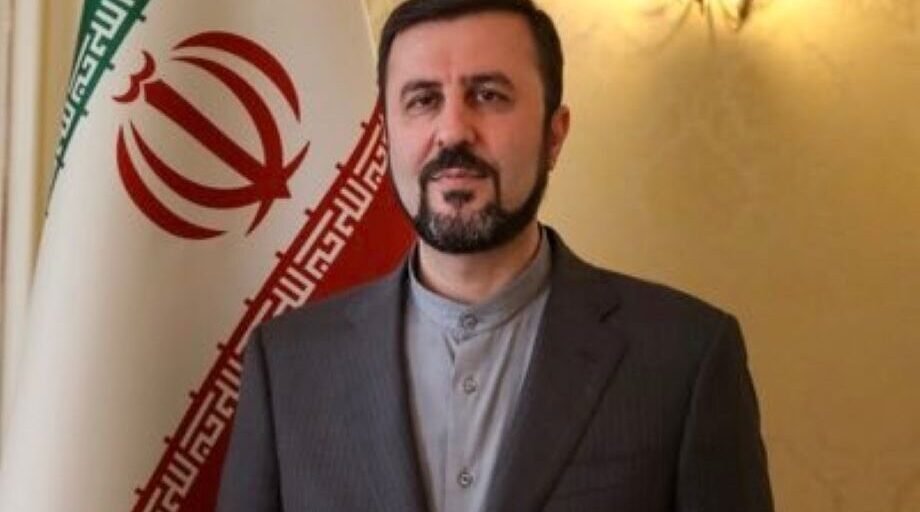
Iran has warned that its confrontation with the United States remains unresolved, with Tehran preparing for multiple possible developments ranging from diplomatic negotiations to economic pressure and renewed military action. Deputy Foreign Minister Kazem Gharibabadi has stated that Iran continues to consider itself in a state of war despite previous diplomatic efforts aimed at reducing tensions between the two countries.
Speaking in a televised interview with Iran’s official news agency IRNA on Sunday, Gharibabadi questioned Washington’s reliability as a negotiating partner. He accused the United States of repeatedly failing to honour diplomatic commitments, arguing that previous negotiations had not prevented military confrontations. According to him, events over the past 18 months, including the 12-day and 40-day conflicts, have further weakened Tehran’s confidence in American assurances.
Gharibabadi also referred to a 14-point memorandum of understanding that, according to his account, failed to remain effective for more than two weeks. He argued that these developments demonstrated the difficulties of reaching a lasting agreement with Washington and highlighted the need for stronger guarantees before any new understanding could be finalised.
Despite expressing serious concerns about American intentions, the Iranian deputy foreign minister indicated that diplomacy remains one of the possible paths forward. However, he maintained that the responsibility for rebuilding confidence rests with Washington. Tehran wants any future negotiations to produce practical commitments rather than temporary arrangements that could collapse when political or military circumstances change.
Iran has outlined several conditions for reaching an agreement with the United States. These include a permanent end to hostilities across all fronts, the removal of the US economic and naval blockade, progress on releasing frozen Iranian assets and the lifting of certain sanctions, particularly restrictions affecting its oil sector. Tehran has also called for the United States to address its expanded military presence and deployment of additional equipment in the region.
An important part of Iran’s proposal concerns the strategically significant Strait of Hormuz. Gharibabadi said Tehran had initially suggested a seven-day process for ending the conflict and reopening the waterway. Following consultations with regional mediators over the past two months, the proposed implementation period was reportedly reduced to two days. However, he stressed that the proposal would only work if all agreed conditions were implemented.
The deputy foreign minister also rejected the idea that Iran was simply experiencing a situation between war and peace. In his assessment, the country legally remains in a state of war. He maintained that Iran did not initiate the conflict and described its actions as defensive responses to external military aggression.
Gharibabadi further criticised Washington’s maximum-pressure strategy, particularly its reliance on economic sanctions. He argued that previous sanctions had failed to achieve their intended political objectives, although he acknowledged that economic restrictions have affected ordinary Iranian citizens. He also warned that prolonged pressure could have wider consequences for international energy markets, financial systems and the global economy.
The latest statements highlight the continuing uncertainty surrounding relations between Tehran and Washington. While Iran has indicated that it remains open to negotiations, its demands suggest that reaching an agreement will require significant progress on security, economic and military issues. With tensions continuing around the Strait of Hormuz and disagreements over the implementation of commitments, the possibility of a lasting diplomatic settlement remains uncertain.


Facebook Comments