
Netanyahu Says Iran’s Regime Could Be Overthrown as US Restarts Strikes
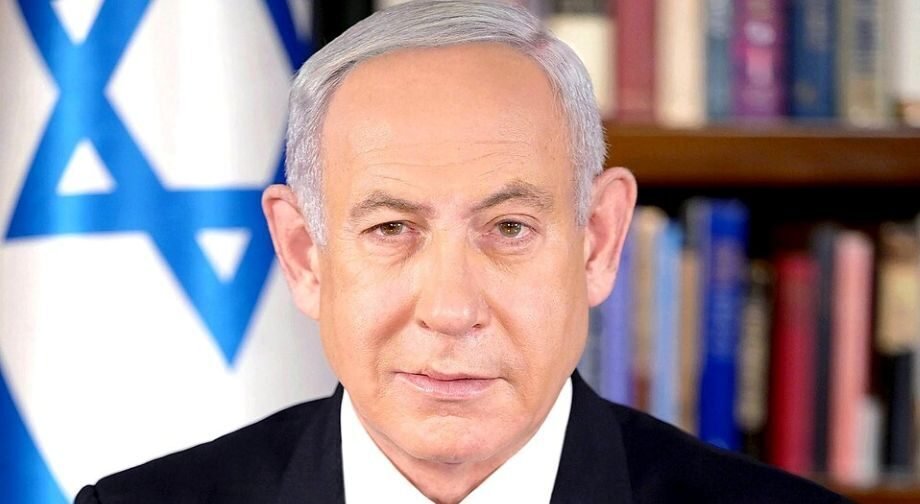
Israeli Prime Minister Benjamin Netanyahu has intensified his rhetoric against Tehran, saying that the Islamic Republic could be approaching a critical point as the United States resumes military operations against Iran. Netanyahu’s remarks suggest that Israel increasingly sees the current confrontation not simply as a campaign against Iranian military capabilities, but as an opportunity to put sustained pressure on the country’s political leadership.
Speaking to senior Israeli military officials, Netanyahu argued that Iran’s leadership is in a significantly weaker position than before. He presented the possibility of removing the current Iranian system of government as an achievable objective, although there has been no independent confirmation that the Iranian regime is close to collapse.
The statement comes against the backdrop of renewed US military action. American forces have again targeted Iranian military-related assets, while Iran has continued to respond with missile and drone attacks against American-linked facilities and partners in the region. The exchange has raised concerns that the confrontation could develop into a much broader regional conflict.
For Israel, Iran has remained one of its most serious strategic concerns. Tehran’s missile programme, military infrastructure and regional network of allied groups have been major points of contention between the two countries. Netanyahu’s latest comments indicate that Israeli calculations are now extending beyond degrading those capabilities to potentially changing the political landscape in Tehran.
Iran, however, retains considerable state and military capacity. Its armed forces and security institutions continue to operate despite the pressure created by the latest strikes and economic restrictions. This makes any prediction about the rapid collapse of the Islamic Republic difficult to establish.
The economic situation could nevertheless become an important factor. Continued sanctions and restrictions on Iranian energy exports and financial transactions are placing additional pressure on the country’s economy. Further disruption caused by military operations could worsen inflation, weaken trade and increase difficulties for the Iranian government.
The renewed US campaign also creates significant risks outside Iran. Tehran has demonstrated its ability to strike targets across the region, meaning further American attacks could prompt additional Iranian retaliation. US military facilities, allied positions and strategic infrastructure could all remain potential flashpoints as the confrontation continues.
Maritime security is another major concern. The Persian Gulf and the Strait of Hormuz are critical to international energy transportation, and any major disruption in these waters could have consequences far beyond the Middle East. Rising military tensions could increase risks for commercial vessels and place additional pressure on global energy markets.
Netanyahu’s remarks also carry a domestic political dimension. Israel is approaching its October 27 general election, while Netanyahu continues to face criticism from political opponents over his government’s handling of the Iran threat. His strong public statements on Tehran therefore come at a time when security policy remains a major issue in Israeli politics.
From a strategic perspective, regime change would represent a far greater objective than the destruction of individual military facilities. Even if Iran’s military capabilities were significantly degraded, replacing its political system would require developments inside the country that cannot be guaranteed through airstrikes alone.
The immediate question is therefore whether the renewed US military campaign will remain limited or lead to another cycle of escalation. Iran’s response, Israel’s next military decisions and Washington’s willingness to continue applying pressure will all influence the direction of the crisis.
For now, Netanyahu’s latest statement reflects Israel’s belief that Tehran is under exceptional pressure. But whether that pressure will result in political transformation inside Iran remains an open question. With military activity continuing and regional tensions elevated, the future of Iran’s government has become an increasingly important issue in the wider Middle East security crisis.



Facebook Comments