
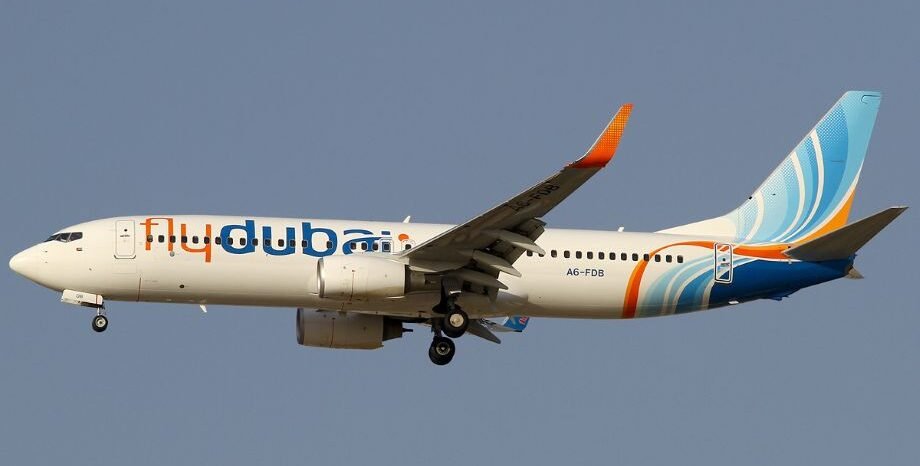
Israel activated its emergency air-defence response after a serious incident aboard a Flydubai passenger aircraft raised concerns that the flight could potentially be under hostile control, according to reports citing Israeli officials familiar with the situation.
The incident involved Flydubai Flight FZ1073, which was operating from Dubai to Tel Aviv on September 30. During the journey, the aircraft’s co-pilot allegedly attacked Captain Smit Machchhar inside the cockpit. The confrontation was followed by a rapid loss of altitude, creating uncertainty over whether the aircraft remained under normal control.
The sudden change in the aircraft’s flight path prompted Israeli authorities to treat the situation as a possible aviation security threat. Communications with the cockpit were reportedly disrupted, adding to concerns that the passenger aircraft could have been hijacked.
Israeli authorities responded by activating emergency procedures and scrambling fighter aircraft. The response was intended to determine whether the aircraft represented a direct threat and to prepare for the possibility that military intervention could become necessary.


The presence of more than 150 Israeli passengers aboard the aircraft made the situation particularly sensitive. Israeli authorities had to consider the possibility of a hijacked commercial aircraft entering Israeli airspace while remaining uncertain about what was happening inside the cockpit.
According to reports, Israeli fighter pilots were prepared to intercept and visually assess the aircraft if the threat continued. In an extreme scenario, if the aircraft had been confirmed as hijacked, remained unresponsive and posed an imminent threat to people on the ground, Israel could have considered using military force against it. The aircraft, however, was never shot down.
The situation changed when the Flydubai aircraft diverted toward Saudi Arabia. Israeli fighter aircraft were subsequently recalled, while Saudi authorities also responded to the approaching emergency aircraft. The flight eventually headed toward Tabuk, where it made an emergency landing.
The crisis was brought under control largely through the actions of people aboard the aircraft. Despite being attacked, Captain Machchhar was able to resist the co-pilot and regain access to the cockpit. Passengers and members of the cabin crew then intervened, while two off-duty Flydubai pilots travelling as passengers assisted in restoring control of the aircraft.
The aircraft landed safely in Saudi Arabia, preventing what could have developed into a much larger aviation and security crisis.
Investigators are now examining the circumstances surrounding the cockpit assault, including the co-pilot’s background and possible motive. The incident has also raised renewed concerns about the security of commercial aircraft and the procedures used by countries when a passenger plane suddenly becomes unresponsive or appears to be under hostile control.
For Israel, the episode demonstrated how quickly a civilian aviation emergency can become a national security situation. The decision to scramble fighter jets reflected the need to prepare for the worst-case scenario while authorities attempted to determine whether the aircraft was genuinely under threat.
Ultimately, the Flydubai flight reached Saudi Arabia without being attacked by Israeli forces, and the immediate danger ended with an emergency landing in Tabuk.




Facebook Comments